


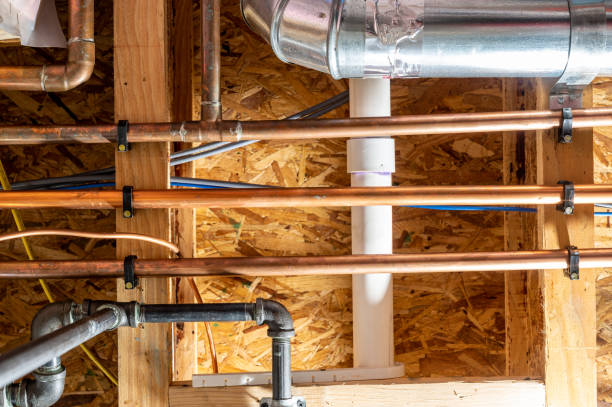
PVC flexible pipes have become a fundamental component across numerous industries due to their unique combination of durability, adaptability, and cost-efficiency. These pipes offer a practical solution for various applications, from simple home plumbing to complex industrial systems. Their ability to bend and maneuver without sacrificing strength makes them a preferred choice for professionals and DIY enthusiasts alike. This article explores the defining characteristics of PVC flexible pipes, answers common questions about their use, and highlights the many ways they serve different sectors. By understanding their properties and advantages, you can make an informed decision for your next project.
Basic Definition and Key Characteristics
People make PVC flexible pipes from a durable plastic polymer known as polyvinyl chloride. This material gives the pipes their signature flexibility, allowing them to bend and curve around obstacles with ease. Unlike rigid PVC pipes, these flexible variants do not require additional fittings for directional changes, which simplifies installation and reduces the potential for leaks. Their lightweight nature makes them easy to transport and handle on a job site, saving both time and labor costs.
Several key features contribute to the popularity of PVC flexible pipes. First, they exhibit excellent corrosion resistance, which means they do not rust or degrade when exposed to water or many common chemicals. This quality ensures a long service life, even in demanding environments. Furthermore, the smooth interior wall of the pipe minimizes friction, allowing for efficient flow of liquids and gases. This design helps to maintain pressure and reduce energy consumption in pumping systems. Additionally, these pipes are known for their high impact strength, meaning they can withstand physical shocks and pressure surges without cracking. Many types also offer good resistance to UV light and extreme temperatures, making them suitable for both indoor and outdoor applications.
Common Uses and Application Industries
The application of PVC flexible pipes spans a remarkably wide range of industries, thanks to their versatile properties. In the residential sector, people commonly use them for garden hoses, underground sprinkler systems, and general drainage solutions. Their flexibility is particularly useful for DIY projects and for navigating the tight spaces often found in home plumbing. Moreover, their resistance to clogging and scale buildup makes them a reliable choice for long-term use in household water systems.
Beyond the home, these pipes play a crucial role in agriculture. Farmers rely on them for irrigation systems, including drip lines and movable sprinkler setups, because they are easy to lay out and reposition as needed. In the construction industry, workers use PVC flexible pipes for draining water from sites, for concrete pouring (as conduits), and for temporary water supply lines. The manufacturing and industrial sectors also depend on them for moving process water, air lines, and even for handling certain types of chemical wastes. Their non-conductive nature also makes them a safe option for electrical conduit applications, protecting wires from moisture and physical damage.
Frequently Asked Questions (FAQ)
1. How does temperature affect PVC flexible pipes?
PVC flexible pipes can handle a range of temperatures, but their performance does have limits. Most standard pipes work well in temperatures up to about 140°F (60°C). For higher temperature applications, you should look for specially formulated CPVC pipes, which are designed to withstand hotter liquids.
2. Are these pipes safe for drinking water?
Yes, many PVC flexible pipes are certified for potable water transport. You must ensure that the specific product you purchase carries a certification from a recognized standards organization, such as NSF/ANSI 61, which guarantees the materials are safe for drinking water.
3. Can I connect a PVC flexible pipe to a rigid one?
Absolutely. You can easily connect them using standard PVC fittings and a suitable solvent cement or a mechanical coupling. This allows for seamless integration into existing plumbing systems that may use rigid PVC, copper, or other materials.
4. What is the typical lifespan of these pipes?
When installed correctly and used within their specified pressure and temperature ratings, PVC flexible pipes can last for decades. Their resistance to corrosion and chemical degradation is a key factor in their long operational life.
5. Do they require special tools for installation?
No, one of their biggest advantages is the ease of installation. You can typically cut them with a simple hacksaw or a pipe cutter, and connections often do not require specialized tools, especially when using push-fit or compression fittings.
Conclusion
In summary, PVC flexible pipes offer a compelling mix of flexibility, strength, and chemical resistance that makes them invaluable across many fields. Their ease of installation and low maintenance requirements provide significant cost savings over time. From ensuring efficient water flow in homes and farms to supporting critical operations in construction and industry, these pipes prove their worth repeatedly. Understanding their characteristics and applications allows you to leverage their full potential. Whether for a simple repair or a major new installation, PVC flexible pipes deliver a reliable and efficient solution.
Plumbline Hardware’s Anniversary Celebrations are underway!
Dear friends, great news! Plumbline Hardware Stores Ltd.’s anniversary celebrations are now underway! We’ve prepared an exclusive “Quality at Your Fingertips” promotion just for you to experience.
From now until October 12th, visit us to receive free samples of our signature products and experience the incredible effects of our high-quality waterproofing tape and faucet aerators. Plus, enjoy discounts across the entire store, and we offer free professional installation with any shower product or faucet purchase!
From a wide variety of plumbing accessories and hardware tools to stylish bathroom fixtures, we have it all, making us the perfect one-stop shop for your home needs. Don’t hesitate! Visit Plumbline Hardware Stores 2084 Parker Drive Warrensville Heights.
and bring home the best value and quality! We look forward to seeing you!
Contact IFAN for Catalogs and Samples
Need technical documents, catalogs, or sample products? Reach out to IFAN today.
📧 Email: [email protected]
📱 Whatsapp: +86 19857948982
Our team responds quickly and provides professional support for all your pipeline needs.
IFAN international standard
IFAN piping systems comply with a wide range of international standards to ensure high quality and performance. These include ASTM F1974 and ASTM F1281 for multilayer piping systems, CSA B137 for Canadian plumbing applications, DIN 16836 for German technical specifications, GB18997 for Chinese standards, and ISO 21003, which covers multilayer piping systems used for hot and cold water installations. This broad certification scope highlights IFAN’s commitment to global compliance and product reliability.























