


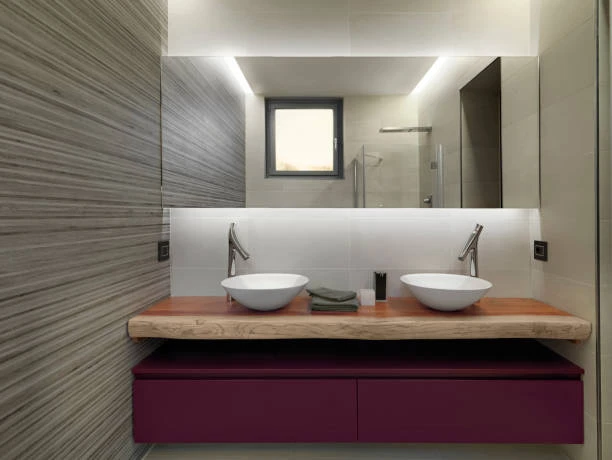
The layout of a wash basin sink plays a crucial role in the functionality and comfort of any space, whether it’s a kitchen, bathroom, or utility room. A well-designed space can improve the efficiency of daily tasks, provide better access, and create a more pleasant environment. Properly considering the layout allows for more streamlined use of space, making it an essential factor in design. In this article, we will explore how to optimize the space layout for wash basin sinks, focusing on key factors like accessibility, style, and functionality.
Understanding the Purpose of the Sink
Before deciding on the layout of the wash basin sink, it is important to understand its purpose within the space. In kitchens, the sink is often the focal point, used for tasks like food preparation, dishwashing, and cleaning. In bathrooms, the sink serves as a place for personal hygiene activities, such as handwashing, brushing teeth, and face washing.
By clearly defining the purpose of the sink, you can better plan its placement and functionality. Understanding how the sink will be used ensures the layout will meet both practical needs and aesthetic preferences.
Choosing the Right Sink Type
Choosing the right type of sink is essential when planning its layout. Sinks come in many shapes, sizes, and materials, including pedestal sinks, under-mount sinks, vessel sinks, and drop-in sinks. The type of sink you choose will impact the space’s overall look and functionality.
Pedestal sinks are often a great option for smaller spaces due to their compact size. They offer a minimalist design that saves space while still providing necessary functionality. For larger areas, under-mount sinks or drop-in sinks are popular choices. These sinks can be incorporated into custom countertops, maximizing surface space while creating a seamless, modern look.
Vessel sinks, which sit above the counter, offer a unique and stylish design that can become the focal point of a room. However, they require more space around them to accommodate their height and wider basin. When considering sink type, think about the overall room size and the space’s function to choose the most practical and aesthetically pleasing option.
Sink Placement and Positioning
Sink placement is one of the most critical factors in the space layout. The location of the sink affects how convenient it is to use and how well it fits into the overall room design. For kitchens, placing the sink near the cooking area can enhance workflow. This is particularly important for meal prep and cleanup tasks. A common layout is the “work triangle,” where the sink, stove, and refrigerator form a triangular layout, allowing easy access to all three areas without unnecessary movement.
In bathrooms, the sink should be placed in a way that offers easy access without blocking pathways or creating congestion. For shared bathrooms, a sink layout that accommodates multiple users is ideal. If the bathroom is small, consider using a corner sink or a space-saving pedestal sink to maximize floor space.
Another consideration when positioning the sink is access to plumbing. In kitchens and bathrooms, plumbing lines for both water supply and drainage need to be positioned properly for efficient installation. Whether you’re renovating an existing space or designing a new one, plumbing considerations should influence the layout decisions.
Counter Space and Storage Considerations
When designing the layout around a wash basin sink, counter space and storage are just as important as the sink itself. In the kitchen, ample counter space around the sink allows you to prep food, wash dishes, and store cleaning supplies. In the bathroom, counter space can hold toiletries, makeup, and hand soaps. The size of the sink should be proportionate to the available counter area, ensuring that there is still enough room for other activities.
Consider incorporating cabinets, drawers, or shelves into the layout to provide additional storage. In the bathroom, cabinetry under the sink can hide plumbing while offering storage for cleaning supplies or extra towels. In kitchens, you might want to include cabinets for dishwashing detergents, sponges, and other cleaning tools.
For a streamlined, modern look, open shelving above or next to the sink can serve as both storage and decoration. This option allows easy access to frequently used items and keeps the space organized. However, be mindful of clutter, as an over-packed countertop can make the area feel crowded.
Creating a Functional Workflow
The workflow around the sink should be smooth and intuitive, allowing easy access to everything you need without unnecessary movement. In the kitchen, this means organizing the space so that commonly used items like soap, scrubbers, and dish soap are within arm’s reach while you are at the sink. It also means placing the sink near the prep area and storage for utensils and pots, reducing the distance between key tasks.
In the bathroom, creating a functional layout might involve placing the sink close to a mirror or towel rack for added convenience. If multiple people use the sink, positioning it so that others can access it while someone is using the shower or toilet will reduce congestion and improve efficiency.
The placement of other fixtures like faucets, soap dispensers, and towel bars also influences the convenience of the layout. For example, placing the faucet near the edge of the sink rather than at the center allows more space for washing hands or dishes. Similarly, wall-mounted faucets can save counter space and reduce clutter.
Accessibility and Universal Design
Accessibility is an important factor when planning the space layout of a wash basin sink. In both bathrooms and kitchens, the sink should be placed at a height that is comfortable for all users. A height of around 32 to 36 inches is standard for most sinks, but adjustable height models or wall-mounted sinks can provide more flexibility.
For users with mobility challenges, such as those who use wheelchairs, sinks with an open space underneath can be more accessible. These sinks allow users to roll under the counter for easier access. Additionally, consider installing lever-style faucets that are easier to operate than traditional knobs. A well-thought-out layout can improve comfort and accessibility for all users, regardless of their needs.
Aesthetic Integration with Room Design
A wash basin sink layout should complement the overall design of the room. For bathrooms, the sink area often serves as a focal point, so its placement should align with the room’s aesthetic theme. Whether you prefer a traditional, modern, or rustic style, choosing a sink that fits the design helps create a cohesive look. For example, pairing a vintage-style pedestal sink with classic decor can enhance the bathroom’s charm, while a sleek, modern sink fits well in a minimalist room.
In kitchens, the sink should integrate with the cabinetry and countertops to create a unified appearance. Matching the sink material to the countertop can create a smooth transition, while a contrasting design can make the sink stand out as a statement piece.
Lighting also plays a key role in the layout. Proper lighting can enhance the visual appeal of the sink area while also improving functionality. In bathrooms, overhead lighting, along with task lighting around the sink, helps provide clear visibility for grooming tasks. In kitchens, task lighting above the sink ensures adequate lighting for food prep and cleaning.
Conclusion
The layout of a wash basin sink plays a critical role in maximizing efficiency, functionality, and comfort. By considering factors like sink type, placement, storage, and accessibility, you can create a layout that meets your needs and fits the space perfectly. Whether in the kitchen, bathroom, or utility room, a well-designed sink area improves workflow and enhances the overall design of the room. Proper planning of the space layout ensures that your wash basin sink will not only look great but also make everyday tasks easier and more enjoyable.
IFAN international standard for Wash Basins
IFAN standards include a range of international certifications and specifications such as ASTM 2846, DIN 8079/8080, ASTM F441/F441M SCH80, DIN, GB/T 18993 series, AS/NZS 1477, CSA B137.6, NSF/ANSI 14, and TIS 17-2532/1131-2535, among others. These standards ensure the quality, safety, and reliability of products, aligning with global manufacturing and performance requirements. By adhering to these standards, IFAN guarantees that its products meet rigorous industry benchmarks, ensuring customer satisfaction and compliance with regulatory guidelines across various regions.
Conclusion
In addition to the initial purchase price and installation costs, the long-term maintenance of a wash basin is an important factor in determining its total cost. The material of the basin, frequency of cleaning, and potential for repairs and replacements all contribute to the overall expense. Proper maintenance can significantly extend the lifespan of a wash basin, reducing the need for costly replacements. However, neglecting maintenance can lead to more frequent repairs, cleaning costs, and even the need for premature replacements. Therefore, when selecting a wash basin, it is crucial to consider not only the upfront cost but also the ongoing maintenance requirements to ensure the basin remains in good condition and delivers value over time.
Contact
IFAN is a professional manufacturer with of experience, dedicated to producing high-quality plastic pipes, fittings, and valves. Our products include brass valves, PPR valves, as well as various pipes and fittings to meet different customer needs. Whether you need plumbing and drainage pipes or valve products, IFAN can provide a diverse range of high-quality, cost-effective products to support your projects. Below is our contact information.
We will reply your email or fax within 24 hours.
You can call us at any time if there is any question on our production.
For more information,pls visit our webside https://www.ifanplus.com/
Pls Mailto: [email protected]
Whatsapp: + 86 19857948982























