


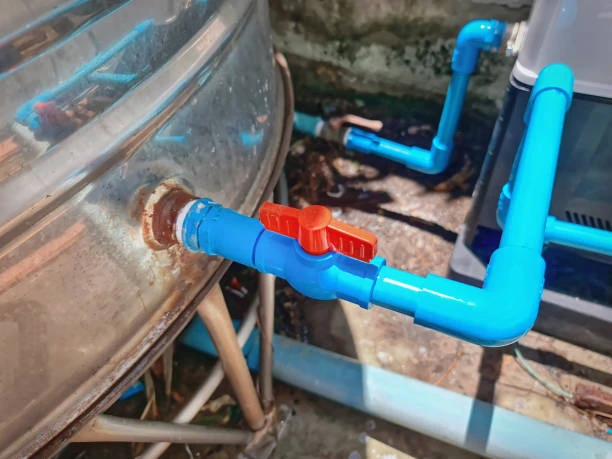
Oxidation resistance is a critical factor when selecting materials for water valves. Exposure to oxygen in the air can cause metals to rust, deteriorate, and fail. This process can significantly affect the functionality and lifespan of metal valves. PVC (Polyvinyl Chloride) water valves, however, stand out due to their excellent resistance to oxidation. Unlike metal valves, which are susceptible to the harmful effects of oxidation, PVC valves maintain their integrity, functionality, and appearance over extended periods. This article explores the oxidation resistance of PVC water valves, highlighting the advantages this property offers for various applications.
1. Understanding Oxidation and Its Impact on Materials
Oxidation is a chemical reaction that occurs when a material reacts with oxygen in the environment, leading to the degradation of the material. This reaction often results in the formation of rust or oxide layers, particularly in metals. In metal water valves, oxidation typically manifests as rust, which weakens the valve’s structure, reduces its efficiency, and can eventually cause failure.
For example, when iron or steel is exposed to oxygen and moisture, it forms iron oxide (rust), which can compromise the valve’s performance. This oxidation process is slow but continuous, leading to the gradual deterioration of metal valves over time. To combat this, industries have long sought materials that offer superior oxidation resistance, leading to the widespread adoption of PVC valves.
2. Why PVC Does Not Oxidize
PVC’s resistance to oxidation lies in its unique chemical structure. PVC is a synthetic polymer made from polymerizing vinyl chloride monomers. This polymerization creates a stable, strong, and non-reactive material that does not undergo oxidation in the same way metals do. Unlike metals, which readily react with oxygen, PVC’s molecular structure is highly stable and resistant to such reactions.
Here are the key reasons why PVC does not oxidize:
- Chemical Stability: PVC’s molecular structure provides exceptional stability when exposed to oxygen, water, or other environmental factors. Unlike metals, which can form oxide layers upon exposure to air, PVC remains inert and unaffected by oxygen.
- Lack of Reactive Components: PVC is composed of long chains of carbon and chlorine atoms that do not react with oxygen. This is in stark contrast to metals like iron or steel, which contain free electrons that easily interact with oxygen to form rust.
- Smooth Surface: PVC’s smooth surface makes it difficult for oxidation to take hold. In metal valves, microscopic imperfections or rough surfaces can provide sites for oxidation to begin. PVC’s uniform surface helps prevent the initiation of oxidation processes.
3. The Importance of Oxidation Resistance in Water Valves
Water valves are critical components in plumbing, industrial, and municipal systems. They control the flow of water, regulate pressure, and ensure the safe delivery of water to various destinations. Since water valves are often exposed to constant moisture, oxygen, and environmental elements, oxidation resistance plays a key role in their longevity and performance.
For metal valves, exposure to air and water can lead to oxidation, resulting in:
- Weakened Valve Structure: Oxidation causes metal valves to become brittle and weak. This reduction in strength can lead to valve failure, which could cause leaks or complete breakdowns in water systems.
- Reduced Performance: As oxidation sets in, the efficiency of the valve decreases. The formation of rust on the valve can affect its ability to open, close, or regulate the flow of water, resulting in compromised performance.
- Increased Maintenance Costs: When metal valves undergo oxidation, maintenance becomes essential to ensure their continued operation. This includes frequent cleaning, rust removal, and, in extreme cases, valve replacement. These maintenance tasks contribute to additional costs and downtime.
- Decreased Aesthetic Appeal: Oxidation causes unsightly rust stains on valves and piping systems. This not only reduces the aesthetic appeal of the infrastructure but also can lead to further damage as the rust spreads.
By using PVC valves, which resist oxidation, systems avoid these issues. PVC valves maintain their structural integrity, ensure optimal performance, and require significantly less maintenance, leading to cost savings and increased system reliability.
4. Advantages of PVC’s Oxidation Resistance in Various Applications
The oxidation resistance of PVC valves offers substantial benefits across a wide range of applications. Whether in residential plumbing, industrial settings, or water treatment facilities, PVC valves provide a reliable, durable, and cost-effective solution.
- Residential Plumbing: In residential plumbing systems, PVC water valves ensure long-lasting performance without the risk of oxidation. Over time, metal valves may rust and fail, leading to costly repairs and replacements. PVC valves, on the other hand, continue to function without degradation, offering homeowners a low-maintenance, reliable option for water control.
- Industrial Applications: Industrial systems often involve the transport of corrosive chemicals, high-pressure fluids, or hot water. In these environments, metal valves may corrode or oxidize, reducing system efficiency and reliability. PVC valves, with their resistance to oxidation, provide a stable and durable solution for industrial applications, ensuring the smooth operation of various systems, including chemical processing, water treatment, and manufacturing.
- Agricultural and Irrigation Systems: In irrigation systems, PVC valves are commonly used to regulate the flow of water to crops. These systems are often exposed to harsh environmental conditions, including UV radiation, soil moisture, and fluctuating temperatures. PVC valves’ resistance to oxidation ensures they can handle these conditions without losing effectiveness or requiring frequent maintenance.
- Water Treatment Facilities: In water treatment plants, valves are exposed to a variety of chemicals and fluctuating water quality. Metal valves in these settings can oxidize and deteriorate over time, leading to contamination risks and increased maintenance. PVC valves are highly resistant to oxidation and corrosion, making them an ideal choice for water treatment applications, where maintaining water purity is essential.
- Marine Environments: Saltwater environments are notorious for accelerating oxidation in metal components. The chloride ions in saltwater react with metals, causing rapid corrosion and failure. PVC, however, offers excellent resistance to saltwater oxidation, making PVC valves ideal for use in marine settings, such as ship plumbing systems, offshore platforms, or coastal water management projects.
5. Comparing PVC to Metal Valves in Terms of Oxidation Resistance
When comparing PVC valves to metal valves, the advantages of PVC in terms of oxidation resistance become clear. Here are some of the key differences between the two:
- Oxidation Resistance: As discussed, PVC valves do not oxidize when exposed to air or water, while metal valves are highly susceptible to oxidation. This gives PVC a significant edge in terms of longevity and reliability.
- Maintenance: Metal valves require regular maintenance to prevent and manage oxidation. This includes the application of rust inhibitors, the removal of rust deposits, and the eventual replacement of corroded valves. PVC valves, on the other hand, require minimal maintenance, reducing both labor and material costs.
- Service Life: Due to their resistance to oxidation, PVC valves generally last much longer than metal valves, especially in systems exposed to high humidity or corrosive substances. This extended service life contributes to cost savings and less frequent replacement needs.
- Cost: While metal valves may have a higher initial cost, their susceptibility to oxidation increases the overall lifecycle cost due to frequent maintenance and replacements. PVC valves, in contrast, are typically more affordable upfront and offer long-term savings due to their resistance to oxidation and minimal maintenance needs.
6. The Environmental Benefits of PVC’s Oxidation Resistance
The oxidation resistance of PVC not only benefits the performance and longevity of water valves but also has positive environmental implications. Here’s how:
- Longer Lifespan: The extended lifespan of PVC valves means fewer replacements are needed over time. This reduces the amount of waste generated from discarded valves, contributing to less environmental impact.
- Reduced Chemical Use: Metal valves often require the application of chemicals to prevent oxidation, such as rust inhibitors or coatings. PVC’s inherent resistance to oxidation eliminates the need for these chemicals, reducing the environmental impact associated with their use.
- Recyclability: PVC is a recyclable material, which helps reduce waste and promote sustainability. When PVC valves reach the end of their life, they can be recycled and reused, further minimizing their environmental footprint.
- Energy Efficiency: The use of PVC valves can contribute to energy savings in water systems. Since PVC valves maintain their functionality and require less maintenance, the need for energy-intensive repairs or replacements is minimized.
7. Conclusion
PVC water valves offer superior oxidation resistance compared to metal valves. The chemical stability, smooth surface, and non-reactive nature of PVC prevent oxidation, ensuring that PVC valves maintain their performance and longevity even in harsh environments. This oxidation resistance provides numerous advantages, including reduced maintenance costs, increased service life, and improved system reliability.
Whether for residential, industrial, agricultural, or marine applications, PVC valves offer a durable and cost-effective solution that reduces the risks associated with oxidation. By opting for PVC, users benefit from a material that requires less maintenance, lasts longer, and performs consistently.
In addition to these performance benefits, PVC’s environmental advantages—such as reduced waste, recyclability, and decreased chemical use—further enhance its appeal as a sustainable and efficient material. As industries and municipalities continue to prioritize long-term reliability and sustainability, PVC valves are set to remain an essential component in modern water management systems.
IFAN international standard
IFAN’s HDPE products comply with various international standards, ensuring quality, durability, and reliability. These standards include ASTM D3035 and ASTM D3350, which define specifications for polyethylene (PE) pipes and materials. The ISO 4427 and EN 12201 series set global benchmarks for PE pipes used in water supply systems. Additionally, DIN 8074/8075 and GB/T 13663 establish performance and dimension requirements for HDPE pipes in European and Chinese markets. Other recognized standards, such as AS/NZS 4130 (Australia/New Zealand), JIS K6760 (Japan), BS 6572 (UK), and CSA B137.1 (Canada), further demonstrate IFAN’s commitment to meeting industry regulations worldwide.
Contact
IFAN is a professional manufacturer with of experience, dedicated to producing high-quality plastic pipes, fittings, and valves. Our products include brass valves, PPR valves, as well as various pipes and fittings to meet different customer needs. Whether you need plumbing and drainage pipes or valve products, IFAN can provide a diverse range of high-quality, cost-effective products to support your projects. Below is our contact information.
We will reply your email or fax within 24 hours.
You can call us at any time if there is any question on our production.
For more information,pls visit our webside https://www.ifanplus.com/
Pls Mailto: [email protected]
Whatsapp: + 86 19857948982























