


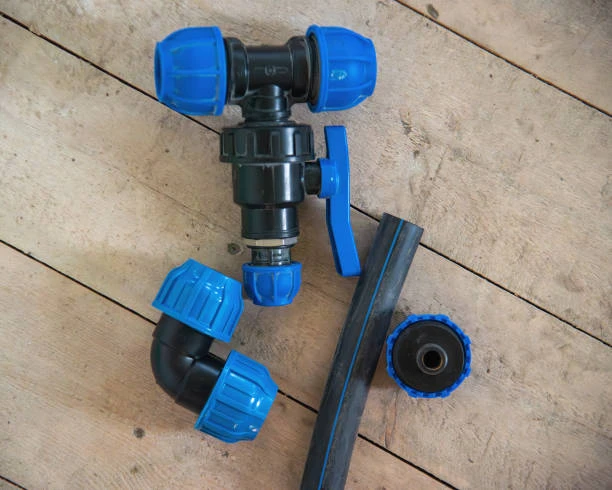
Polyethylene (PE) high density pipe offers a safe and reliable solution for various piping systems. Manufacturers, engineers, and homeowners trust this material for its strength, flexibility, and most importantly, its non-toxic nature. As people place more importance on health, safety, and environmental impact, the demand for non-toxic piping continues to grow. This article explores the reasons why PE high density pipe remains a non-toxic option, how it protects users, and where industries use it.
Understanding PE High Density Pipe
PE high density pipe, or HDPE pipe, consists of high-density polyethylene resin. This thermoplastic material forms under controlled heat and pressure during polymerization. The result gives the pipe excellent strength-to-density ratio, which makes it highly durable and versatile.
Engineers choose HDPE pipe because it resists corrosion, chemical damage, and impact. It suits underground water lines, gas transportation, chemical systems, and food-grade applications. These uses require materials that don’t release harmful substances. PE high density pipe meets that requirement.
The Composition of PE Material
The raw material of HDPE pipe plays a key role in its safety. Polyethylene contains only carbon and hydrogen atoms. These elements form long molecular chains that do not break down or leach harmful chemicals under normal conditions.
Producers do not need to add plasticizers, heavy metals, or stabilizers. PVC and other plastics often include these additives, which may release toxins over time. PE high density pipe avoids this problem. Its composition stays stable even in demanding environments.
During the pipe manufacturing process, quality control systems check for contaminants. Producers maintain clean facilities and use food-grade or potable-grade polyethylene resins for water and beverage applications. This attention to purity protects consumers from chemical exposure.
No Toxic Leaching
Many users worry about toxic substances leaching into drinking water or food systems. PE high density pipe solves that concern. Studies have shown that HDPE does not release harmful substances into liquids or gases that flow through it.
Water companies and municipal projects rely on HDPE piping systems because they do not alter water taste, odor, or quality. Even after years of use underground, these pipes maintain safety and performance. Independent laboratories have tested PE pipe in extreme conditions, including high heat, pressure, and chemical exposure. These tests confirmed the pipe’s resistance to chemical leaching.
Compliance With Safety Standards
Regulatory agencies set strict health and safety guidelines for materials that contact drinking water, food, or medicine. PE high density pipe complies with many of these global standards.
For example:
- The U.S. Food and Drug Administration (FDA) approves certain PE resins for food contact.
- The National Sanitation Foundation (NSF) certifies PE pipes for potable water systems.
- The European Union’s REACH regulation identifies PE as a low-risk substance.
- International standards such as ISO 4427 and ISO 4437 govern HDPE pipes for water and gas, ensuring quality and safety.
These certifications prove that HDPE meets strict requirements without relying on toxic chemicals. Authorities would not approve these products if they posed a danger to human health.
PE Pipe in Drinking Water Systems
Cities and private developers use HDPE piping systems for clean drinking water. These pipes maintain water purity during long-distance transmission and local distribution. Because the pipes remain inert, they do not change the chemical makeup of the water.
Contractors often install PE pipes in areas with sensitive soil or groundwater conditions. The pipe’s non-toxicity protects the environment during construction and after installation. In rural areas, farmers and villagers use HDPE pipes for wells and irrigation without worrying about contamination.
In buildings, HDPE pipes provide safe plumbing for kitchens, bathrooms, and mechanical rooms. Architects who care about sustainability and public health often select HDPE for its safety benefits.
Safe Use in Food and Beverage Industry
Food manufacturers, dairies, and beverage companies often require sanitary piping systems. HDPE offers an excellent solution because it does not contaminate products. Processors use PE pipes to move milk, juice, oil, syrup, and water inside their facilities.
Even under high temperatures and cleaning cycles, the pipe material stays inert. Unlike some metals or plastics, it does not corrode or react with acidic liquids. The surface remains smooth, which reduces bacterial buildup. This property makes PE pipe an excellent choice for hygienic environments.
Safe Use in Chemical Applications
Although many people associate non-toxicity with food and water, chemical handling also benefits from safe materials. HDPE pipes carry chemicals such as acids, alkalis, and fuels. The pipes do not react with most industrial fluids, and they do not release harmful vapors.
In laboratories and chemical plants, safety managers prefer HDPE because it supports closed-loop systems without exposing workers to toxic fumes. The pipe also resists UV radiation when stabilized, which makes it safe for outdoor use.
No Harmful Emissions During Installation
Many traditional pipe materials require heat, glue, or solvents for joining. These substances may emit harmful vapors or leave behind residues. PE high density pipe offers a safer alternative.
Installers use heat fusion or mechanical connections to join HDPE pipes. These methods do not involve glues or adhesives. Heat fusion creates a seamless bond that keeps the pipe system leak-free and safe. Workers do not inhale toxic fumes during installation, and users do not experience off-gassing after the pipe enters service.
Recyclability and Environmental Safety
Non-toxic materials often support eco-friendly goals. PE high density pipe qualifies as a recyclable material. Manufacturers can reprocess used or scrap pipe into new products. This closed-loop cycle reduces waste and conserves raw materials.
In landfills, PE pipe does not break down into harmful substances. It remains stable and does not release toxins into the soil or groundwater. This behavior contrasts with materials like PVC, which may degrade and release dioxins over time.
Engineers and developers who care about green building practices include PE piping systems in LEED-certified projects. By choosing HDPE, they reduce the building’s environmental footprint while protecting human health.
Long-Term Health and Safety Benefits
Using PE high density pipe provides long-term peace of mind. Its resistance to chemicals, corrosion, and biological growth reduces the risk of contamination. Over decades of use, the material remains safe for humans, animals, and the environment.
Health professionals, builders, and public officials support the use of non-toxic piping materials in schools, hospitals, and public buildings. HDPE meets their expectations by delivering reliable, safe, and durable performance.
Families who install HDPE plumbing in their homes enjoy clean water and a toxin-free environment. Businesses that rely on food safety or pharmaceutical cleanliness gain trust from regulators and customers.
Common Myths About Plastic Pipes
Some people avoid plastic piping because they associate all plastics with harmful chemicals. However, not all plastics act the same. PE high density pipe proves that plastic can be both safe and strong.
Unlike PVC, which may contain chlorine, or polycarbonate, which may contain bisphenol A (BPA), HDPE contains no such substances. Scientists have studied PE for decades and confirmed its safety when used properly. Government agencies around the world approve HDPE for sensitive uses.
Another myth involves microplastics. While low-quality plastics may degrade over time, HDPE remains stable. Its dense molecular structure prevents fragmentation. In fact, HDPE often helps reduce microplastic contamination by replacing inferior materials.
PE Pipe in Sensitive Environments
Engineers often use PE pipe in ecosystems that require special care. For example, wetland restoration projects, conservation areas, and water quality testing sites use HDPE pipes. These pipes do not disrupt soil chemistry or water composition.
In remote villages and disaster relief operations, non-profit organizations use HDPE piping to bring clean water. Its light weight and non-toxicity make it ideal for fast, safe deployment. People in vulnerable communities receive life-saving water without risk of chemical exposure.
Conclusion
PE high density pipe offers a safe, non-toxic solution for plumbing, industrial, agricultural, and municipal systems. Its pure composition, chemical resistance, and regulatory approvals give users confidence. Engineers and contractors install these pipes in environments where health and safety matter most.
From food factories to family homes, HDPE provides durable, clean, and environmentally friendly service. Its non-toxic nature makes it a leading choice for the future of safe infrastructure.
IFAN international standard
IFAN’s HDPE compression fittings and pipes comply with a wide range of international standards, ensuring high performance and global compatibility. These include ASTM D3035 and ASTM D3350 from the United States, ISO 4427 series and EN 12201 series from Europe, DIN 8074/8075 from Germany, GB/T 13663 series from China, AS/NZS 4130 from Australia and New Zealand, JIS K6760 from Japan, BS 6572 from the United Kingdom, and CSA B137.1 from Canada. Adherence to these standards guarantees excellent mechanical properties, chemical resistance, and long-term durability across diverse water supply and industrial applications.
Contact
IFAN is a professional manufacturer with of experience, dedicated to producing high-quality plastic pipes, fittings, and valves. Our products include brass valves, PPR valves, as well as various pipes and fittings to meet different customer needs. Whether you need plumbing and drainage pipes or valve products, IFAN can provide a diverse range of high-quality, cost-effective products to support your projects. Below is our contact information.
We will reply your email or fax within 24 hours.
You can call us at any time if there is any question on our production.
For more information,pls visit our webside https://www.ifanplus.com/
Pls Mailto: [email protected]
Whatsapp: + 86 19857948982























