


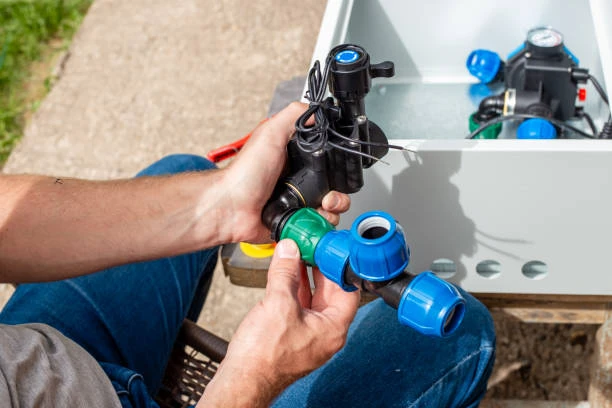
Polyethylene (PE) pipe fittings have become increasingly popular due to their durability, flexibility, and resistance to various environmental factors. These fittings are commonly used in industries such as water supply, gas distribution, and irrigation. However, to maintain their efficiency and longevity, regular maintenance is essential. This article will explore the importance of maintaining polyethylene pipe fittings, the factors affecting their lifespan, and the best practices for ensuring optimal performance.
Understanding Polyethylene Pipe Fittings
Polyethylene pipe fittings are widely used in a variety of applications due to their excellent chemical resistance, flexibility, and ease of installation. PE fittings are resistant to corrosion, unlike metal fittings, and have a relatively long lifespan when installed correctly. However, over time, environmental conditions, physical stress, and improper maintenance can affect their performance. Therefore, understanding the factors that influence the durability of these fittings and implementing the right maintenance practices is crucial.
Factors Affecting the Longevity of Polyethylene Pipe Fittings
Several factors can impact the lifespan of polyethylene pipe fittings. These include:
1. UV Radiation
PE materials, when exposed to direct sunlight over extended periods, may degrade due to UV radiation. UV rays cause the material to become brittle and less flexible. This degradation can lead to cracks, leaks, and eventual failure of the fittings.
2. Temperature Extremes
Polyethylene pipe fittings perform well under a wide range of temperatures, but extreme temperatures can cause issues. High temperatures can cause the material to soften, while extremely low temperatures can make it brittle. The fittings must be installed in environments where temperature fluctuations are minimal, or they need UV-resistant coatings to withstand harsh conditions.
3. Mechanical Stress
Mechanical stress due to external forces, such as pressure from nearby construction activities or heavy traffic, can affect the integrity of PE pipe fittings. This pressure may lead to deformation, cracks, or even rupture in extreme cases.
4. Chemical Exposure
Although PE materials are highly resistant to most chemicals, exposure to certain harsh chemicals can weaken the material. Proper identification of the chemicals being transported through PE pipes and fittings is necessary to prevent damage over time.
5. Installation Errors
Incorrect installation, such as improper sealing, misalignment, or inadequate fitting connections, can lead to operational failures. Ensuring that fittings are installed correctly is one of the most important steps in ensuring their long-term performance.
The Importance of Regular Maintenance
Regular maintenance of polyethylene pipe fittings is essential for preventing premature failures and ensuring the system operates efficiently. Maintenance involves inspecting, cleaning, and making necessary repairs to avoid costly replacements and downtime. The following are key aspects of maintenance that should be performed regularly:
1. Visual Inspections
Visual inspections should be conducted periodically to check for any signs of damage, such as cracks, discoloration, or warping. Early detection of issues can prevent more significant problems and extend the life of the fittings. Regular visual checks should include the following:
- Inspect the surface of the fittings for cracks or scratches.
- Check for any signs of discoloration that may indicate UV damage.
- Ensure that the fittings are properly aligned and not subjected to excessive stress.
2. Pressure Testing
Pressure testing is vital for ensuring that the polyethylene pipe fittings are functioning correctly. Over time, the fittings may experience pressure changes that could lead to leaks. Regular pressure testing helps detect leaks or weak points in the system before they become significant problems. This test involves applying the system’s operational pressure and monitoring for any drop in pressure, which could indicate a leak.
3. Cleaning and Flushing
Debris, dirt, or sediment can accumulate inside PE pipe fittings over time. Cleaning and flushing the pipes and fittings ensures that these obstructions do not affect the flow of fluids. Proper cleaning can also prevent any build-up that could lead to blockages or system inefficiencies. The flushing process is relatively simple and can be done by using clean water or specific cleaning agents.
4. Replacing Damaged Fittings
Occasionally, despite best efforts, polyethylene pipe fittings may experience damage that requires replacement. Cracks, extreme discoloration, or damage caused by chemical exposure may necessitate the replacement of the fitting. Ensuring that replacements are done promptly will prevent further damage and system downtime.
5. Checking for Proper Alignment
Improper alignment of fittings can lead to stress on the joints, causing leaks and system failure. Regular checks for proper alignment will ensure that the fittings remain securely attached and positioned. Misaligned fittings should be adjusted or replaced to ensure the system operates smoothly.
Best Practices for Maintaining Polyethylene Pipe Fittings
To ensure polyethylene pipe fittings last for years, several best practices can be followed. These practices help in maintaining the integrity and performance of the system:
1. Use UV-Resistant Fittings for Outdoor Installations
For outdoor installations, it is critical to use UV-resistant polyethylene pipe fittings. UV stabilizers and carbon black additives can protect the fittings from sun damage, preventing premature degradation and extending their lifespan. For areas with high UV exposure, additional protection like coatings or insulation can further enhance the durability of the fittings.
2. Install Fittings According to Manufacturer Guidelines
Proper installation is key to ensuring the long-term performance of polyethylene pipe fittings. Always follow the manufacturer’s guidelines for installation procedures, including proper sealing, alignment, and securing of joints. Failure to follow these guidelines can result in premature system failures.
3. Minimize Mechanical Stress
To minimize mechanical stress on PE pipe fittings, avoid placing heavy objects or equipment near the pipes. In areas with high traffic or construction activities, the use of protective barriers or additional support for the pipes and fittings may be necessary to prevent damage.
4. Monitor Environmental Conditions
The environmental conditions where the PE pipe fittings are installed can significantly affect their lifespan. Regular monitoring of factors such as temperature, humidity, and UV exposure will help identify potential risks and allow for preventative measures. In particularly harsh environments, consider using additional protective materials, such as insulation or coatings.
5. Perform Preventive Maintenance Regularly
Preventive maintenance is far more cost-effective than reactive repairs. Establishing a regular maintenance schedule for inspecting, cleaning, and testing the system will prevent many common issues before they arise. Having a professional perform routine checks will also ensure that any underlying issues are detected early.
Conclusion
Polyethylene pipe fittings offer significant benefits, including durability, chemical resistance, and ease of installation. However, to ensure that they function optimally throughout their lifespan, regular maintenance is essential. By conducting visual inspections, pressure testing, and cleaning, you can detect and address issues before they cause serious problems. Additionally, following best practices for installation and minimizing environmental stress will help extend the life of the system.
With proper care, polyethylene pipe fittings can provide reliable performance for many years, helping to reduce maintenance costs and system downtime. Adopting a proactive maintenance approach ensures that your PE fittings continue to serve their intended purpose efficiently, whether in water distribution, gas transportation, or irrigation systems.
IFAN international standard
IFAN’s HDPE products comply with various international standards, ensuring quality, durability, and reliability. These standards include ASTM D3035 and ASTM D3350, which define specifications for polyethylene (PE) pipes and materials. The ISO 4427 and EN 12201 series set global benchmarks for PE pipes used in water supply systems. Additionally, DIN 8074/8075 and GB/T 13663 establish performance and dimension requirements for HDPE pipes in European and Chinese markets. Other recognized standards, such as AS/NZS 4130 (Australia/New Zealand), JIS K6760 (Japan), BS 6572 (UK), and CSA B137.1 (Canada), further demonstrate IFAN’s commitment to meeting industry regulations worldwide.
Contact
IFAN is a professional manufacturer with of experience, dedicated to producing high-quality plastic pipes, fittings, and valves. Our products include brass valves, PPR valves, as well as various pipes and fittings to meet different customer needs. Whether you need plumbing and drainage pipes or valve products, IFAN can provide a diverse range of high-quality, cost-effective products to support your projects. Below is our contact information.
We will reply your email or fax within 24 hours.
You can call us at any time if there is any question on our production.
For more information,pls visit our webside https://www.ifanplus.com/
Pls Mailto: [email protected]
Whatsapp: + 86 19857948982























