


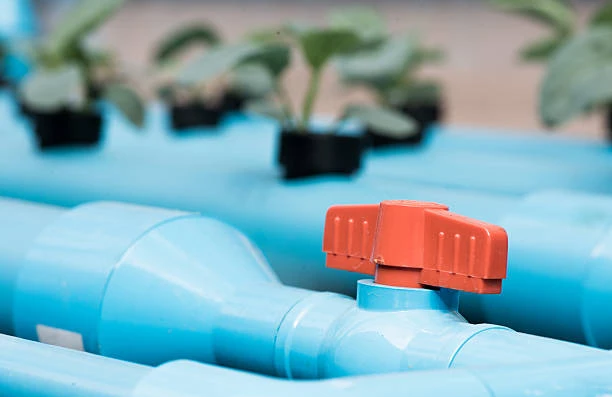
In today’s plumbing and industrial systems, material selection plays a crucial role in determining overall efficiency, safety, and durability. Among the various types of valves available, CPVC valves—made from chlorinated polyvinyl chloride—stand out due to several unique features. One of their most important benefits, however, is their low thermal conductivity. This characteristic contributes significantly to energy efficiency, operational safety, and long-term cost savings.
Understanding Thermal Conductivity
Before diving into the specific advantages of CPVC valves, it is important to understand the concept of thermal conductivity. In simple terms, thermal conductivity refers to a material’s ability to conduct heat. Materials like metal have high thermal conductivity, which means they transfer heat quickly. Conversely, materials like plastic, especially CPVC, have low thermal conductivity, making them poor conductors of heat.
Notably, CPVC has a thermal conductivity of approximately 0.19 W/m·K, which is significantly lower than metals such as steel (50 W/m·K) or copper (400 W/m·K). This fundamental difference leads to a wide range of practical benefits in real-world applications.
Why Low Thermal Conductivity Matters in Valve Design
First and foremost, low thermal conductivity enhances thermal insulation. CPVC valves help maintain the temperature of the fluids inside the pipes, reducing heat loss or heat gain. As a result, systems that use CPVC valves require less external insulation, leading to both cost savings and installation convenience.
Moreover, the reduced heat transfer limits the temperature fluctuation within a piping system. Consequently, this enhances system stability, particularly in temperature-sensitive processes such as chemical distribution, pharmaceutical manufacturing, and food processing.
Energy Efficiency in Piping Systems
Energy efficiency is a major concern in both residential and industrial piping systems. When hot water or steam flows through metal valves, a significant amount of energy is lost due to heat dissipation. In contrast, CPVC valves, thanks to their low thermal conductivity, retain heat much more effectively. This means less energy is required to maintain the desired fluid temperature.
Additionally, lower energy consumption translates directly into lower operational costs and reduced environmental impact. Companies looking to meet sustainability targets or reduce their carbon footprint often find CPVC valves to be a smart choice.
Enhanced Safety for Operators and Systems
Another critical benefit of CPVC’s low thermal conductivity is improved safety. Since these valves do not conduct heat rapidly, their exterior surfaces stay relatively cool, even when handling hot fluids. This significantly reduces the risk of burns to workers who may come into contact with the valves.
Furthermore, in the event of system malfunction or overheating, CPVC valves are less likely to contribute to heat-induced damage or accidents. This makes them especially valuable in systems where temperature regulation is crucial, such as in laboratories, semiconductor facilities, and hospitals.
Superior Performance in Chemical Applications
CPVC valves are widely used in chemical processing industries. These applications often involve high-temperature fluids and aggressive chemicals, both of which demand materials with high resistance and thermal stability. Because CPVC offers both chemical resistance and low thermal conductivity, it is an ideal solution.
In fact, the low heat transfer rate helps preserve the chemical composition and reactivity of fluids by maintaining a stable temperature. This is particularly important in scenarios where temperature-sensitive reactions must be controlled precisely.
Comparisons with Metal Valves
When comparing CPVC valves with traditional metal valves, the differences become even more pronounced. Metal valves—such as those made from brass or stainless steel—require additional insulation to prevent heat loss. They also tend to heat up quickly, making them hazardous to touch during operation.
On the other hand, CPVC valves naturally limit heat flow. Thus, they eliminate the need for additional safety measures, saving time and money. Moreover, their lighter weight and resistance to corrosion provide additional installation and maintenance advantages.
Temperature Management in Cold Systems
While much of the discussion focuses on hot fluids, low thermal conductivity is equally valuable in cold fluid applications. CPVC valves help prevent unwanted heat ingress into cold fluid lines, maintaining desired temperatures more effectively.
This is particularly advantageous in industries such as food refrigeration, beverage production, and biotech, where temperature stability is critical for preserving quality and efficacy.
Reduced Condensation and Moisture Build-Up
An often-overlooked benefit of low thermal conductivity is its role in moisture control. In systems carrying cold fluids, metal valves often suffer from surface condensation, leading to potential issues like mold growth, insulation degradation, and even slipping hazards.
However, CPVC valves remain much closer to ambient temperature, thereby minimizing surface condensation. This contributes to a cleaner, safer, and more efficient environment—especially in humid climates or closed mechanical rooms.
Longevity and Material Stability
Because CPVC valves are not subjected to frequent thermal cycling or rapid heat exchange, they tend to last longer. Thermal expansion and contraction are major causes of material fatigue, especially in metals. In contrast, CPVC’s low thermal conductivity allows it to undergo less thermal stress, resulting in improved structural integrity over time.
Consequently, maintenance intervals are reduced, and overall system reliability increases. This makes CPVC valves a cost-effective investment in the long run.
Installation Advantages
In addition to performance benefits, CPVC valves offer significant installation advantages. For one, there is no need for thermal insulation in most cases, which simplifies the installation process. Moreover, because they are lightweight and easy to cut and join, labor time is minimized.
Also, installers do not need to take special precautions for handling hot components during installation or repair, enhancing on-site safety and efficiency.
Applications Across Industries
Thanks to these benefits, CPVC valves are found in a wide variety of sectors, including:
- Commercial buildings (hot and cold water systems)
- Industrial processing (chemical transfer and temperature control)
- Healthcare facilities (sanitary water distribution)
- Food and beverage (temperature-sensitive processes)
- Pharmaceuticals (sterile water systems)
In each of these fields, temperature management is critical, and the low thermal conductivity of CPVC plays a pivotal role in ensuring system performance.
Summary of Key Benefits
To summarize, the low thermal conductivity of CPVC valves provides multiple advantages, including:
- Energy conservation
- Safety enhancement
- Improved system stability
- Lower maintenance costs
- Condensation control
- Longer service life
When combined with CPVC’s other benefits—like chemical resistance, corrosion resistance, and ease of installation—it becomes clear why so many engineers and contractors prefer these valves in demanding applications.
Conclusion: A Smart Choice for Modern Systems
In conclusion, CPVC valves offer a winning combination of performance, safety, and cost efficiency. Their low thermal conductivity makes them especially valuable in applications where temperature control is essential. Whether in hot water distribution or cold fluid systems, CPVC valves help reduce energy loss, improve safety, and enhance long-term reliability.
Therefore, for any project requiring efficient fluid handling, CPVC valves represent a modern, intelligent, and future-proof solution. Their material properties not only meet current standards but also help drive the industry forward toward more sustainable and reliable infrastructures.
IFAN international standard
IFAN products comply with a wide range of international standards, ensuring quality and reliability across different markets. These standards include ASTM D2846, DIN 8079/8080, ASTM F441/F441M SCH80, various DIN specifications, the GB/T 18993 Series standards, AS/NZS 1477, CSA B137.6, NSF/ANSI 14, and TIS 17-2532/1131-2535. This broad compliance demonstrates IFAN’s commitment to meeting global requirements and delivering products that meet the strictest performance and safety criteria.
Contact
IFAN is a professional manufacturer with of experience, dedicated to producing high-quality plastic pipes, fittings, and valves. Our products include brass valves, PPR valves, as well as various pipes and fittings to meet different customer needs. Whether you need plumbing and drainage pipes or valve products, IFAN can provide a diverse range of high-quality, cost-effective products to support your projects. Below is our contact information.
We will reply your email or fax within 24 hours.
You can call us at any time if there is any question on our production.
For more information,pls visit our webside https://www.ifanplus.com/
Pls Mailto: [email protected]
Whatsapp: + 86 19857948982























