


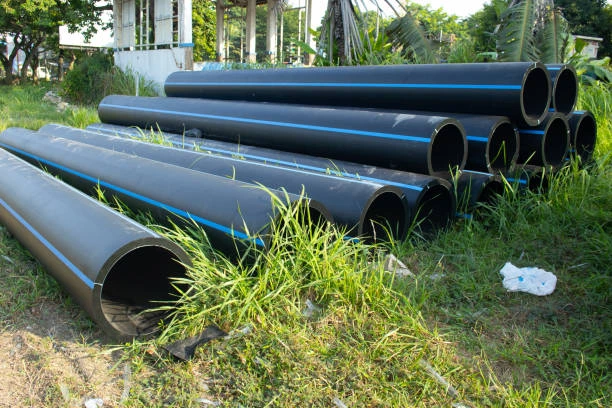
Polyethylene plumbing has become a preferred choice for many plumbing applications due to its impressive lightweight nature. This characteristic, among others, plays a significant role in enhancing the efficiency and cost-effectiveness of plumbing installations. In this article, we will explore the advantages of polyethylene’s lightweight nature, its impact on installation and long-term use, and how this feature contributes to a variety of plumbing systems.
Introduction: What Makes Polyethylene Plumbing Lightweight?
Polyethylene (PE) is a type of thermoplastic polymer widely used in plumbing systems. It is composed of long chains of polymer molecules, offering a flexible and durable material with various beneficial properties. One of its standout features is its lightweight nature, especially when compared to traditional materials like copper, steel, or PVC.
The lightweight nature of polyethylene is a direct result of its low density and unique chemical structure. This feature makes polyethylene ideal for applications where ease of handling and installation are important. Pipes made from polyethylene are generally lighter than other materials, meaning that they can be transported, handled, and installed with less effort.
1. Material Composition and Density
Polyethylene’s molecular structure consists of simple carbon and hydrogen atoms, which are linked together to form long chains. These chains are relatively flexible and light, contributing to the material’s low density. As a result, polyethylene pipes are significantly lighter than many other materials used in plumbing, such as cast iron or steel pipes.
The density of polyethylene typically ranges from 0.91 to 0.96 grams per cubic centimeter, making it one of the lightest options available for plumbing. This lightweight composition does not compromise its strength or flexibility, making it a popular choice for a variety of plumbing systems.
2. Comparison with Other Plumbing Materials
When comparing polyethylene to other materials used in plumbing, such as copper, PVC, or steel, the difference in weight is apparent. For instance, copper pipes are much heavier, which makes their handling and installation more labor-intensive. Similarly, steel pipes are often challenging to manage due to their weight and require special tools for installation.
Polyethylene, on the other hand, allows for easier handling and installation. The reduced weight of polyethylene plumbing pipes significantly cuts down on labor costs and installation time, making it an attractive alternative for contractors and homeowners alike.
Advantages of the Lightweight Nature of Polyethylene Plumbing
The lightweight characteristic of polyethylene plumbing offers several practical benefits, particularly in terms of transportation, installation, and maintenance. Below, we explore the key advantages this property provides.
3. Ease of Handling and Transportation
One of the most immediate benefits of polyethylene’s lightweight nature is the ease of transportation. Polyethylene pipes are less bulky, which means that transporting large quantities of pipe material requires less effort and cost. Contractors can transport larger quantities of polyethylene pipes at once, reducing the number of trips needed to deliver materials.
In addition, the light weight of polyethylene makes it easier for workers to handle the material on-site. Manual labor involved in moving and installing pipes becomes more manageable, reducing physical strain on workers. This feature is especially beneficial in large-scale projects or in environments where access is limited or difficult.
4. Reduced Labor Costs During Installation
The installation process of polyethylene plumbing is significantly easier and faster due to the lightweight nature of the material. The ease of handling results in reduced labor costs. Workers can cut, connect, and install polyethylene pipes with relative ease, often without the need for special lifting equipment or tools.
In addition, because polyethylene is flexible, it can be bent and adjusted without the need for additional fittings or joint components. This ability to make minor adjustments on-site can speed up installation, saving both time and money.
5. Reduced Transportation and Handling Costs
Transporting and handling heavy materials can incur additional costs due to the need for special equipment or more workforce. With polyethylene pipes, the lighter weight reduces these costs. This makes polyethylene a cost-effective material choice for large plumbing projects, particularly in remote or hard-to-reach locations where heavy equipment may not be feasible.
Furthermore, since polyethylene pipes are lightweight, they require fewer resources for unloading and setting up at the job site. This reduced material handling translates into additional savings in both time and money.
6. Flexibility and Ease of Installation
Another advantage of polyethylene’s lightweight nature is its flexibility. This characteristic allows for easy bending, which simplifies installation. Polyethylene pipes can often be curved or coiled around obstacles without the need for extra fittings, which reduces installation complexity. The flexibility also allows for better adaptability to irregular plumbing layouts, minimizing the number of fittings required.
Moreover, the lightweight quality of polyethylene means fewer people are needed for installation, which can further reduce labor costs. Fewer personnel are required to lift, carry, and manipulate the pipes into position.
7. Reduced Wear on Tools and Equipment
When installing traditional materials like steel or copper, heavy tools and machinery are often required to manage the material. With polyethylene, however, the lightweight nature reduces the strain on both the tools and the equipment used during installation. Contractors can rely on standard tools, which often need less maintenance and wear, increasing their lifespan.
Furthermore, the lightweight pipes do not require heavy machinery like cranes or winches to be lifted into place. This reduction in the need for specialized equipment leads to cost savings during installation and overall project completion.
Long-Term Impact: Benefits Beyond Installation
The lightweight nature of polyethylene plumbing systems extends beyond the installation phase. Over the lifespan of the plumbing system, this feature continues to offer valuable benefits in terms of maintenance, repair, and system performance.
8. Easier Repair and Replacement
If a section of polyethylene plumbing needs to be replaced or repaired, the lightweight nature of the material makes this process easier. Polyethylene pipes are simple to cut, maneuver, and remove, even in tight spaces. This ease of handling can save both time and money during repair or replacement work.
Since polyethylene is also flexible, there is less chance of the material cracking or breaking during handling, making it more durable and resistant to damage during repairs. Contractors and homeowners alike appreciate the practicality of working with lightweight polyethylene pipes when addressing plumbing issues.
9. Reduced System Stress and Fatigue
Due to its lightweight composition, polyethylene places less strain on other parts of the plumbing system. In installations that span large distances or involve high water pressure, the reduction in pipe weight decreases the overall system fatigue. This can prolong the lifespan of other plumbing components, as well as the overall integrity of the system.
Polyethylene’s flexibility and lightness ensure that pipes are not subjected to unnecessary stress, reducing the likelihood of breakage or leakage. This, in turn, helps to maintain the plumbing system’s performance over time.
10. Improved Seismic Performance
In regions prone to earthquakes or ground movement, the lightweight nature of polyethylene plumbing offers an additional benefit. Due to its flexibility and low mass, polyethylene pipes are less likely to suffer from damage caused by shifting ground. The pipes can move and bend without cracking, making them an ideal choice for seismic zones.
The ability of polyethylene pipes to absorb movement without breaking or rupturing makes them more resilient in the face of seismic activity compared to rigid pipes made from materials like PVC or metal.
Environmental Benefits
The lightweight nature of polyethylene plumbing also has environmental advantages. The reduced transportation costs associated with lighter materials not only save money but also reduce the carbon footprint of shipping and delivery. The energy required to manufacture and transport polyethylene is lower than that for heavier materials, contributing to a more sustainable plumbing solution.
Furthermore, polyethylene is recyclable, making it an eco-friendly choice for those seeking sustainable plumbing solutions. The material can be recycled after use, which helps to reduce waste and supports a circular economy.
Conclusion: Why Lightweight Polyethylene Plumbing Is a Smart Choice
Polyethylene plumbing offers significant advantages due to its lightweight nature. From easier handling and transportation to reduced installation and repair costs, the benefits of polyethylene are clear. The flexibility and ease of installation provided by its lightweight composition make it an attractive choice for plumbing systems, whether in residential or commercial applications.
Beyond the installation phase, polyethylene’s light weight continues to contribute to its durability and longevity. Its reduced weight leads to less wear on tools, easier repairs, and improved performance in seismic regions. Additionally, the environmental benefits of using polyethylene plumbing systems further solidify its position as a sustainable and cost-effective option.
For anyone considering plumbing systems that offer efficiency, durability, and lightweight handling, polyethylene presents an excellent solution. As the industry continues to evolve, the lightweight nature of polyethylene plumbing will remain a key factor in its growing popularity across the globe.
IFAN international standard
IFAN’s HDPE products comply with various international standards, ensuring quality, durability, and reliability. These standards include ASTM D3035 and ASTM D3350, which define specifications for polyethylene (PE) pipes and materials. The ISO 4427 and EN 12201 series set global benchmarks for PE pipes used in water supply systems. Additionally, DIN 8074/8075 and GB/T 13663 establish performance and dimension requirements for HDPE pipes in European and Chinese markets. Other recognized standards, such as AS/NZS 4130 (Australia/New Zealand), JIS K6760 (Japan), BS 6572 (UK), and CSA B137.1 (Canada), further demonstrate IFAN’s commitment to meeting industry regulations worldwide.
Contact
IFAN is a professional manufacturer with of experience, dedicated to producing high-quality plastic pipes, fittings, and valves. Our products include brass valves, PPR valves, as well as various pipes and fittings to meet different customer needs. Whether you need plumbing and drainage pipes or valve products, IFAN can provide a diverse range of high-quality, cost-effective products to support your projects. Below is our contact information.
We will reply your email or fax within 24 hours.
You can call us at any time if there is any question on our production.
For more information,pls visit our webside https://www.ifanplus.com/
Pls Mailto: [email protected]
Whatsapp: + 86 19857948982























