


Introduction
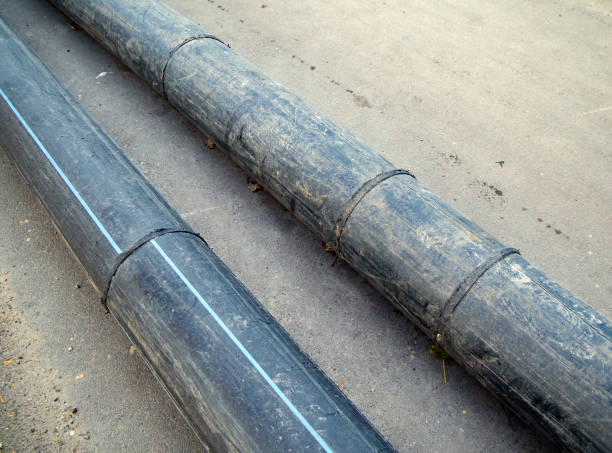
Black HDPE (High-Density Polyethylene) pipe continues to transform piping systems worldwide. Its flexibility, durability, and lightweight structure appeal to contractors, engineers, and municipalities. Among its many performance advantages, one feature stands out—exceptional impact resistance.
In construction zones, industrial facilities, and underground installations, pipes often face rough handling, collisions, and sudden shocks. Traditional piping materials like PVC, concrete, or metal may crack or shatter under such conditions. Black HDPE pipe, however, absorbs and disperses force, retaining strength and shape.
This article dives deep into the impact resistance of black HDPE pipe. It explores the reasons behind this durability, compares performance with other materials, and explains how this toughness benefits real-world applications. By understanding the science and advantages of impact-resistant HDPE piping, industry professionals can make smarter choices for long-lasting infrastructure.
Understanding Impact Resistance
Impact resistance describes a material’s ability to withstand sudden force without cracking, deforming, or breaking. Engineers evaluate this characteristic through standardized tests that simulate real-world impacts. These tests help predict how a pipe reacts when struck by heavy tools, dropped during transport, or exposed to falling debris.
A highly impact-resistant pipe maintains its structural integrity even after repeated strikes. It does not splinter, chip, or collapse. For many environments, this feature proves essential to protect water, gas, or waste flow from disruption.
Black HDPE pipe exhibits superior toughness in impact scenarios. It resists breakage better than many alternatives and maintains safe, leak-free operation even in rough conditions.
Molecular Structure Drives Toughness
Black HDPE pipe gains its impact strength from its unique molecular structure. Manufacturers produce HDPE through a polymerization process that creates long, densely packed polyethylene chains. This high molecular density increases intermolecular bonds, giving the material greater toughness.
When a force strikes the pipe, these molecular chains flex instead of breaking. The material absorbs energy and redistributes stress across its surface. As a result, black HDPE pipe bends or compresses slightly under pressure but returns to its original shape without damage.
Engineers often describe this behavior as ductility—HDPE stretches without snapping. This ductile nature contributes to its outstanding performance in impact resistance tests and job site conditions.
Cold Weather Durability
Pipes exposed to low temperatures face increased risk of impact damage. Cold weather can make many materials brittle, causing them to shatter under minimal stress. Black HDPE pipe stands out by maintaining flexibility even in subzero climates.
Tests show HDPE performs well at temperatures as low as -40°F (-40°C). In northern regions or high-altitude installations, this resilience proves crucial. Contractors handle, cut, and install HDPE pipe in frozen conditions without cracking concerns. No preheating or special storage is required.
Municipalities and gas companies rely on HDPE pipe for cold climate distribution systems. It handles frost heaves, freeze-thaw cycles, and hard ground contact with minimal risk of rupture.
Drop and Impact Testing
To verify real-world performance, laboratories conduct drop and impact tests on HDPE pipes. These evaluations involve:
- Dropping heavy weights from set heights
- Striking the pipe with a blunt force instrument
- Observing deformation, cracks, or failure points
Black HDPE pipe consistently passes these tests with excellent results. Even under heavy force, the pipe absorbs energy without splitting. Surface marks or shallow dents may appear, but the internal wall remains unaffected. This durability ensures consistent flow and safety.
Impact testing validates HDPE as a material of choice in rugged environments—construction zones, mining operations, landfills, and transportation corridors.
Advantages Over Rigid Piping Materials
Rigid materials such as PVC, concrete, and cast iron often lack the flexibility to endure high-impact forces. When dropped, hit, or stressed beyond their limits, they fracture or chip. This breakage can cause leaks, service interruptions, and costly repairs.
Black HDPE pipe handles the same situations with greater resilience. Its flexibility and toughness allow it to withstand transportation accidents, rough installation, or accidental tool strikes. HDPE resists cracking even after years of underground use, where shifting soil or seismic activity may strain the pipe.
This advantage lowers the risk of emergency repair and increases the reliability of water or gas delivery systems.
Superior Performance in Trenchless Installations
Trenchless technologies, such as directional drilling and pipe bursting, require pipes to endure significant pulling, pushing, and striking forces. Black HDPE pipe handles these demands exceptionally well. Contractors drill beneath roads, rivers, and buildings while pulling long HDPE sections through the ground.
During these operations, the pipe encounters rocks, compacted soil, and resistance from the earth. HDPE’s impact resistance helps it maintain form and function throughout the process. It bends, stretches slightly, and continues moving without failure.
This performance minimizes job site delays and increases confidence in subsurface infrastructure projects.
Earth Movement and Seismic Zones
Natural events such as earthquakes or landslides place intense strain on buried piping systems. Pipes must survive rapid ground shifts, pressure changes, and sudden impacts. Black HDPE pipe excels in such environments due to its ability to flex, absorb energy, and resist cracking.
In seismic zones, engineers favor HDPE over rigid materials. It reduces the risk of catastrophic pipeline failure. HDPE pipe withstands bending, compression, and soil movement, ensuring continued water and gas service during emergencies.
Its use in earthquake-prone regions demonstrates its life-saving value. Engineers trust it to deliver consistent performance during the most unpredictable events.
Transportation and Handling Safety
The logistics of moving large volumes of pipe involve forklifts, cranes, and long-haul trucks. During loading and unloading, pipes may collide with equipment or drop from minor heights. Black HDPE pipe withstands these incidents without damage.
Workers often prefer HDPE pipe because of its manageable weight and forgiving surface. Even if a pipe drops or rolls, it typically remains undamaged. This strength simplifies handling and reduces material waste on job sites.
Companies improve efficiency and safety by choosing HDPE for large-scale projects. The pipe arrives intact, reduces replacement orders, and speeds up installation.
Longevity Through Impact Resistance
The long service life of black HDPE pipe results in part from its resistance to external damage. Over time, many systems face tree root intrusion, equipment vibrations, or repeated contact from construction work. Pipes with poor impact resistance may fail prematurely.
HDPE pipe continues to function under these conditions. Its outer wall resists denting, cracking, or puncturing. Even in crowded urban environments with constant underground activity, HDPE maintains pressure and flow.
This performance translates to lower life cycle costs. Utilities and private companies invest once and enjoy decades of reliable service.
Resistance to Internal Impact
In addition to external force, black HDPE pipe handles internal shock waves. Systems that deliver water or gas under pressure may experience sudden flow changes—known as hydraulic shock or water hammer. These surges can crack rigid pipes or loosen joints.
HDPE pipe absorbs internal impact through its flexible walls. It deflects pressure spikes and prevents rupture. Fusion-welded joints add security by eliminating the weak points found in other piping systems.
This capability makes HDPE ideal for variable-pressure environments such as firefighting systems, irrigation, and industrial process lines.
Fusion Joints Maintain Structural Integrity
Fusion technology strengthens HDPE’s impact resistance. Technicians weld pipe segments together using heat and pressure. The result is a seamless joint that matches the surrounding pipe’s strength and flexibility.
When impacts strike a fused pipe, the force spreads across the entire structure. The joint does not weaken or separate. This monolithic design eliminates common failure points found in gasketed or glued systems.
This consistent strength from end to end gives engineers confidence during planning and construction.
Testing Standards and Certifications
Manufacturers test black HDPE pipe according to strict industry standards. Common protocols include:
- ASTM D2444: Impact resistance testing for thermoplastic pipe
- ISO 3127: Method for determining impact strength using a striker
- AWWA and NSF guidelines for pressurized piping systems
These standards ensure consistent quality and performance across all HDPE piping products. Buyers receive verified information on strength, durability, and application suitability.
Projects in municipal, industrial, or agricultural sectors benefit from this standardization.
Installation and Job Site Impact Protection
Contractors work in dynamic environments. Tools, equipment, and materials move constantly. Pipes must handle unplanned impacts such as falling buckets, rolling backhoes, or shifting machinery. Black HDPE pipe handles these challenges without pause.
Its impact-resistant shell and strong joints give installers peace of mind. They continue work without worrying about brittle fractures or invisible cracks. The pipe’s black color and smooth finish also help operators detect surface damage easily.
On job sites with fast-paced timelines, HDPE pipe’s toughness minimizes slowdowns and unexpected costs.
Agricultural and Industrial Applications
Farm operations often use HDPE pipe for irrigation, drainage, and fluid transport. Machinery crosses pipes, workers handle them quickly, and animals may contact exposed sections. In these conditions, impact resistance keeps systems running smoothly.
In factories and chemical plants, HDPE pipe faces moving equipment, occasional drops, and contact with hard surfaces. The material holds up under rough treatment, maintaining safety and operational efficiency.
Its ruggedness supports production and eliminates frequent replacements.
Conclusion
Black HDPE pipe delivers powerful impact resistance in every environment. Its molecular structure, flexibility, and fusion-welded joints provide unmatched strength. It bends without breaking, absorbs force, and protects system integrity.
From cold climates to seismic zones, from construction sites to industrial plants, HDPE pipe proves its toughness daily. It handles shocks, drops, hits, and internal surges with confidence. Contractors install it quickly, engineers specify it with certainty, and users rely on it for decades.
When impact resistance matters, black HDPE pipe stands ready. Its strength isn’t just in numbers—it’s in every strike it survives.
IFAN international standard
IFAN’s HDPE compression fittings and pipes comply with a wide range of international standards, ensuring high performance and global compatibility. These include ASTM D3035 and ASTM D3350 from the United States, ISO 4427 series and EN 12201 series from Europe, DIN 8074/8075 from Germany, GB/T 13663 series from China, AS/NZS 4130 from Australia and New Zealand, JIS K6760 from Japan, BS 6572 from the United Kingdom, and CSA B137.1 from Canada. Adherence to these standards guarantees excellent mechanical properties, chemical resistance, and long-term durability across diverse water supply and industrial applications.
Contact
IFAN is a professional manufacturer with of experience, dedicated to producing high-quality plastic pipes, fittings, and valves. Our products include brass valves, PPR valves, as well as various pipes and fittings to meet different customer needs. Whether you need plumbing and drainage pipes or valve products, IFAN can provide a diverse range of high-quality, cost-effective products to support your projects. Below is our contact information.
We will reply your email or fax within 24 hours.
You can call us at any time if there is any question on our production.
For more information,pls visit our webside https://www.ifanplus.com/
Pls Mailto: [email protected]
Whatsapp: + 86 19857948982























