


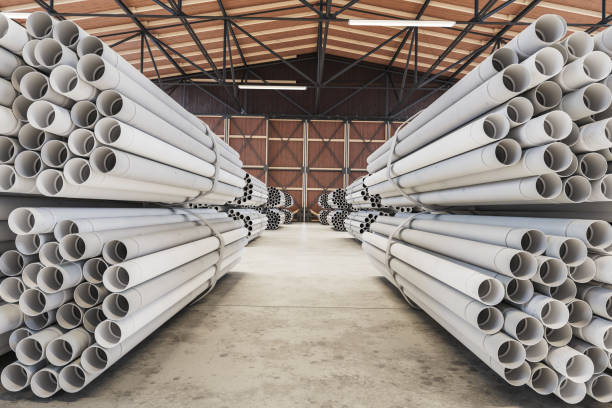
Polyvinyl chloride pipes, commonly known as PVC pipes, represent one of the most durable and long-lasting piping solutions available today. This comprehensive guide explores the remarkable durability of PVC pipes, examining what makes them so resilient against environmental challenges, chemical exposure, and physical stress. We will delve into their fundamental properties, widespread applications across industries, and answer frequently asked questions about their longevity. Understanding the durability factors of PVC pipes helps professionals and homeowners make informed decisions for infrastructure projects. Plumbing systems, and industrial applications that require reliable, long-term performance.
Basic Definition and Characteristics
Polyvinyl chloride pipes are synthetic plastic pipes made from PVC resin combined with stabilizers and other additives that enhance their durability. Manufacturers create these pipes through an extrusion process that ensures consistent wall thickness and structural integrity. The inherent durability of PVC pipes comes from their excellent resistance to corrosion, chemicals, and biological degradation. Unlike metal pipes, PVC does not rust, corrode, or deteriorate when exposed to moisture or most chemicals. This corrosion resistance makes them particularly valuable in applications where metal pipes would fail quickly. Additionally, PVC pipes demonstrate impressive impact resistance and can withstand significant physical stress without cracking or breaking. Their smooth interior surface not only ensures efficient flow but also prevents scaling and buildup that can compromise pipe integrity over time. The material’s lightweight nature belies its strength. As high-quality PVC pipes can handle substantial pressure loads while maintaining their structural form for decades.
Common Uses and Application Industries
The exceptional durability of PVC pipes makes them the preferred choice across numerous industries where long-term performance is crucial. In water infrastructure, municipalities rely on PVC pipes for main water supply lines. Sewage systems, and drainage networks because they resist corrosion from both water and soil chemicals. The construction industry extensively uses PVC pipes for plumbing systems, both for potable water distribution and waste removal, where their longevity ensures minimal maintenance and replacement costs. Agricultural operations depend on durable PVC irrigation systems that withstand exposure to fertilizers, pesticides, and varying weather conditions without degradation. Industrial facilities utilize PVC pipes for chemical processing and transportation, taking advantage of their resistance to a wide range of corrosive substances.
Factors Contributing to Durability
Several key factors contribute to the outstanding durability of polyvinyl chloride pipes. First, the material composition plays a crucial role—high-quality PVC resin combined with UV stabilizers, impact modifiers, and other additives creates a pipe that can withstand environmental challenges. The manufacturing process equally important, as precise extrusion ensures consistent wall thickness and eliminates weak points that could compromise longevity. PVC’s natural resistance to electrochemical corrosion gives it a significant advantage over metal pipes, particularly in soil applications where moisture and chemicals would cause rapid deterioration of metallic alternatives. The smooth interior surface prevents mineral buildup and scaling that can reduce pipe diameter and increase pressure over time. Furthermore, PVC pipes maintain their flexibility in various temperatures, reducing the risk of cracking under thermal expansion or contraction. Proper installation techniques, including appropriate bedding and joining methods, also enhance the long-term durability of PVC piping systems. Manufacturers subject their products to rigorous testing, including pressure cycling, impact resistance, and environmental stress cracking evaluations to ensure decades of reliable service.
Frequently Asked Questions (FAQ)
1. How long do PVC pipes typically last compared to other materials?
PVC pipes often outlast alternative piping materials, with an expected service life exceeding in most applications. This surpasses the lifespan of many metal pipes, which may require replacement in as little as 20- due to corrosion issues.
2. Can PVC pipes withstand extreme weather conditions?
Yes, high-quality PVC pipes contain additives that provide excellent UV resistance and temperature tolerance. They perform well in both hot and cold climates, though manufacturers may recommend specific formulations for extreme temperature applications.
3. Do PVC pipes become brittle with age?
Properly formulated PVC pipes maintain their flexibility and impact resistance for decades. While all materials experience some aging, quality PVC pipes are designed with additives that prevent brittleness and maintain structural integrity throughout their service life.
4. How does chemical exposure affect PVC pipe durability?
PVC pipes demonstrate remarkable resistance to most chemicals, including acids, bases, and salts. This makes them ideal for industrial applications and soil environments where other materials would deteriorate rapidly.
5. Can PVC pipes handle high pressure applications?
Absolutely. Schedule 80 and higher-rated PVC pipes are specifically designed for high-pressure applications. Their durable construction allows them to maintain integrity under significant pressure loads for extended periods.
Conclusion
The durability of polyvinyl chloride pipes establishes them as a superior choice for countless applications where long-term performance and reliability are paramount. Their exceptional resistance to corrosion, chemicals, and environmental factors ensures decades of service without the maintenance requirements or replacement costs associated with alternative materials. From municipal water systems to industrial processing facilities, PVC pipes consistently demonstrate their ability to withstand challenging conditions while maintaining structural integrity and performance. The combination of proper material formulation, manufacturing excellence, and appropriate installation techniques results in a piping solution that offers unmatched durability and value. As infrastructure demands grow and the need for sustainable, long-lasting solutions increases, PVC pipes continue to prove their worth as a durable, reliable choice for professionals across industries. Their proven track record of performance makes them an intelligent investment for any project requiring piping that will stand the test of time.
Contact IFAN for Catalogs and Samples
Need technical documents, catalogs, or sample products? Reach out to IFAN today.
📧 Email: [email protected]
📱 Whatsapp: +86 19857948982
Our team responds quickly and provides professional support for all your pipeline needs.
IFAN international standard
IFAN piping systems comply with a wide range of international standards to ensure high quality and performance. These include ASTM F1974 and ASTM F1281 for multilayer piping systems, CSA B137 for Canadian plumbing applications, DIN 16836 for German technical specifications, GB18997 for Chinese standards, and ISO 21003, which covers multilayer piping systems used for hot and cold water installations. This broad certification scope highlights IFAN’s commitment to global compliance and product reliability.























