


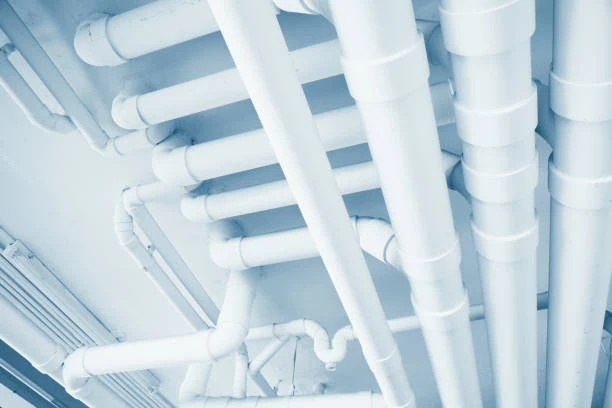
Polyvinyl chloride pipes, commonly known as PVC pipes, play a crucial role in modern infrastructure and various industries due to their durability, cost-effectiveness, and versatility. However, their environmental impact has sparked significant discussion. This article explores the essential aspects of PVC pipes, including their basic properties, common uses, and environmental considerations. We will also address frequently asked questions to provide a comprehensive understanding of why these pipes remain popular despite ecological concerns. By the end, you will have a clear perspective on how PVC pipes balance practical benefits with environmental challenges.
Basic Definition and Characteristics
Polyvinyl chloride pipes are synthetic plastic pipes made from vinyl chloride monomer. Manufacturers produce them through a process called polymerization, which creates a strong and rigid material. People widely recognize PVC pipes for their exceptional strength and lightweight nature. These pipes resist corrosion, chemicals, and biological growth, making them ideal for many applications. Additionally, they have a smooth interior surface that reduces friction and allows efficient fluid transport. Unlike metal pipes, PVC does not rust or wear away easily. This longevity ensures that PVC pipes often last for decades without needing replacement. Another key characteristic is their affordability. Compared to alternatives like copper or steel, PVC pipes cost significantly less. This economic advantage makes them accessible for large-scale projects and budget-conscious consumers. Furthermore, PVC pipes offer flexibility in installation. Workers can easily cut, join, and install them with simple tools and solvent cement. This ease of use speeds up construction timelines and reduces labor costs. Despite these benefits, it is important to consider their environmental footprint, which we will discuss later.
Common Uses and Application Industries
People use polyvinyl chloride pipes in a wide range of industries due to their adaptability and reliability. In the construction sector, PVC pipes serve as essential components for plumbing and drainage systems. Builders prefer them for transporting potable water, wastewater, and sewage because of their corrosion resistance. The agricultural industry also relies heavily on PVC pipes for irrigation systems. Farmers use them to distribute water efficiently across fields, promoting water conservation. Moreover, the electrical industry values PVC pipes for conduit applications. These pipes protect wiring from moisture, chemicals, and physical damage, ensuring safety in residential and commercial buildings. In the telecommunications sector, PVC conduits safeguard fiber optic cables underground. Another significant application is in municipal water systems. Cities use large-diameter PVC pipes for main water lines and stormwater management. Additionally, the industrial sector employs PVC pipes for transporting chemicals and fluids in manufacturing processes. Their chemical resistance makes them suitable for handling aggressive substances. Even in the healthcare industry, PVC pipes find use in medical gas systems and drainage. The versatility of PVC pipes extends to DIY projects and home improvements. Homeowners often choose them for gardening, landscaping, and simple plumbing repairs. This broad applicability highlights how PVC pipes meet diverse needs across various fields.
Environmental Considerations
When discussing polyvinyl chloride pipes, we must address their environmental impact. The production of PVC involves fossil fuels and energy-intensive processes. This manufacturing phase releases greenhouse gases and other pollutants into the atmosphere. Additionally, PVC pipes contain additives like plasticizers and stabilizers. Some of these additives raise health and environmental concerns. For example, lead-based stabilizers were common in the past. However, modern regulations have phased out many harmful additives. Another issue is disposal. PVC pipes do not biodegrade easily. When incinerated, they release toxic chemicals like dioxins. Recycling PVC presents challenges due to its complex composition. Despite these drawbacks, the industry has made progress. Many manufacturers now produce uPVC or unplasticized PVC. This variant avoids harmful plasticizers. Furthermore, recycling programs for PVC pipes are expanding. Some companies incorporate recycled content into new products. Researchers are also developing biodegradable alternatives. While PVC pipes are not perfect, their long lifespan reduces the need for frequent replacements. This durability can offset some environmental costs. Consumers can make eco-friendly choices by selecting recyclable or low-impact variants. Overall, balancing the benefits and environmental issues requires continued innovation and responsible usage.
Frequently Asked Questions (FAQ)
1. Are polyvinyl chloride pipes safe for drinking water?
Yes, modern PVC pipes meet strict safety standards for potable water. Manufacturers design them to prevent leaching of harmful chemicals. Regulatory agencies like NSF International certify PVC pipes for drinking water applications. Always look for pipes marked with NSF/ANSI 61 to ensure safety.
2. How long do PVC pipes typically last?
PVC pipes have an impressive lifespan, often exceeding . Their resistance to corrosion and chemical damage contributes to this longevity. Proper installation and maintenance can extend their life even further.
3. Can PVC pipes be recycled?
Yes, PVC pipes are recyclable. Many recycling centers accept them for processing. The recycled material can become new pipes or other PVC products. However, recycling rates vary by region. Consumers should check local recycling guidelines.
4. What is the difference between PVC and uPVC pipes?
PVC pipes often contain plasticizers for flexibility. uPVC, or unplasticized PVC, lacks these additives. This makes uPVC rigid and suitable for construction applications. uPVC is also considered more environmentally friendly.
5. Do PVC pipes harm the environment?
PVC pipes have some environmental drawbacks. Their production consumes fossil fuels and energy. Disposal can be problematic if not recycled. However, their durability and recyclability mitigate some impacts. Choosing uPVC or recycled products helps reduce environmental harm.
Conclusion
Polyvinyl chloride pipes offer a blend of durability, affordability, and versatility that makes them indispensable in many industries. From plumbing and agriculture to telecommunications and healthcare, PVC pipes provide reliable solutions for diverse applications. However, their environmental impact cannot be overlooked. The production process and disposal challenges pose significant ecological concerns. Thankfully, advancements in manufacturing and recycling are addressing these issues. By opting for safer variants like uPVC and supporting recycling initiatives, we can minimize negative effects. In summary, PVC pipes remain a practical choice for modern infrastructure. Their benefits often outweigh their drawbacks when used responsibly. As technology evolves, we can expect even more sustainable practices to emerge. For now, understanding the full picture helps us make informed decisions about using PVC pipes.
Contact IFAN for Catalogs and Samples
Need technical documents, catalogs, or sample products? Reach out to IFAN today.
📧 Email: [email protected]
📱 Whatsapp: +86 19857948982
Our team responds quickly and provides professional support for all your pipeline needs.
IFAN international standard
IFAN piping systems comply with a wide range of international standards to ensure high quality and performance. These include ASTM F1974 and ASTM F1281 for multilayer piping systems, CSA B137 for Canadian plumbing applications, DIN 16836 for German technical specifications, GB18997 for Chinese standards, and ISO 21003, which covers multilayer piping systems used for hot and cold water installations. This broad certification scope highlights IFAN’s commitment to global compliance and product reliability.























