


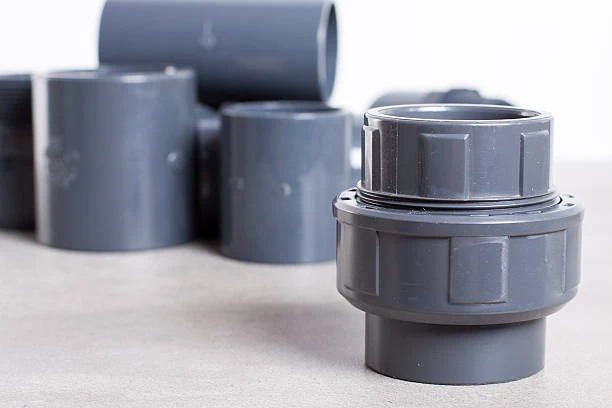
Imagine a large-scale irrigation system unable to control water flow to different sectors, or a chemical processing plant lacking reliable isolation points for maintenance. These scenarios highlight the indispensable role of PVC gate valves in managing fluid systems effectively. These unassuming components serve as the guardians of flow control, providing reliable shut-off capabilities and system isolation across countless applications. While often overlooked in system design, PVC gate valves contribute significantly to operational efficiency, safety, and maintenance convenience. This comprehensive guide explores the vital role of PVC gate valves in modern fluid systems. We will answer common questions, examine their key characteristics, and investigate their diverse applications. Understanding their importance will help you appreciate how these valves support system functionality and contribute to overall operational success in various industries.
Frequently Asked Questions (FAQ)
1. What makes PVC gate valves different from other valve types?
PVC gate valves offer unique advantages for specific applications. They provide straight-through flow with minimal pressure drop when fully open. Their simple design allows for reliable shut-off capabilities. The PVC construction ensures excellent corrosion resistance at a lower cost than metal alternatives. These characteristics make them ideal for many water and chemical applications.
2. Can PVC gate valves handle high-pressure applications?
These valves perform best in low to medium pressure systems. Standard PVC gate valves typically handle pressures up to 150 PSI. For higher pressure requirements, you should consider schedule 80 PVC or alternative materials. Always check manufacturer specifications for pressure ratings at different temperatures.
3. Are PVC gate valves suitable for hot water applications?
PVC gate valves have temperature limitations. Most standard valves handle temperatures up to 140°F (60°C). For higher temperature applications, you should consider CPVC valves or metal alternatives. Always consider both pressure and temperature ratings when selecting valves for hot water systems.
4. How do PVC gate valves contribute to system safety?
They provide several important safety functions. These valves allow for positive isolation during maintenance activities. They help prevent backflow when properly installed. Their corrosion resistance reduces failure risks in chemical applications. The non-conductive properties add electrical safety in certain environments.
5. Can I use PVC gate valves for controlling flow rate?
Gate valves are primarily designed for on/off service rather than flow control. Using them for throttling can cause vibration and damage to the gate and seats. For flow control applications, consider using ball valves or globe valves specifically designed for this purpose.
Basic Definition and Key Characteristics
PVC gate valves are linear motion valves that control fluid flow through a pipeline. They feature a flat gate element that moves perpendicular to the flow direction. When fully open, the gate retracts completely into the valve bonnet, creating an unobstructed flow path. This design minimizes pressure drop and allows for efficient fluid transfer.
These valves possess several distinctive characteristics that define their role in fluid systems. The PVC construction provides excellent corrosion resistance to many chemicals and water treatments. The lightweight nature simplifies installation and reduces system weight. The smooth interior surface minimizes friction loss and prevents scaling. The simple design ensures reliable operation with minimal maintenance requirements.
The rising stem design provides visual indication of valve position, enhancing operational safety. The thermoplastic material offers good impact resistance for most applications. The non-conductive properties make them suitable for electrical environments. The cost-effectiveness allows for economical system design without compromising performance. These characteristics combine to make PVC gate valves valuable components in numerous applications.
Common Uses and Application Industries
PVC gate valves play crucial roles across diverse industries, each leveraging their unique capabilities. In water treatment facilities, they manage flow between processes and provide isolation points. Their corrosion resistance makes them ideal for handling treated water and mild chemicals. The agricultural industry relies on these valves for irrigation systems, where they control water distribution to different zones.
Industrial plants utilize PVC gate valves in chemical processing lines, particularly for corrosive fluids. Their non-reactive nature ensures product purity in manufacturing processes. Residential and commercial plumbing systems incorporate these valves for main water shut-off and branch isolation. Pool and spa systems use them for flow control and maintenance isolation.
The aquaculture industry employs these valves for water management in fish farms and hatcheries. Their smooth operation and corrosion resistance suit marine environments. Mining operations use them for water management and chemical processing applications. Across all these industries, PVC gate valves provide reliable performance while reducing maintenance costs and improving system longevity.
Conclusion
In conclusion, PVC gate valves serve as essential components in modern fluid systems across numerous industries. Their role extends beyond simple flow control to include system isolation, maintenance facilitation, and operational safety. The unique combination of corrosion resistance, cost-effectiveness, and reliable performance makes them valuable assets in system design and operation.
Understanding their capabilities and limitations helps professionals make informed decisions about valve selection and application. Proper installation, regular maintenance, and appropriate application ensure these valves perform their intended roles effectively. As technology advances, PVC gate valve continue to evolve, offering improved performance characteristics for an expanding range of applications. Their continued importance in fluid system management underscores the value of understanding and appreciating the role these components play in our daily operations and industrial processes.
Contact IFAN for Catalogs and Samples
Need technical documents, catalogs, or sample products? Reach out to IFAN today.
📧 Email: [email protected]
📱 Whatsapp: +86 19857948982
Our team responds quickly and provides professional support for all your pipeline needs.
IFAN international standard
IFAN piping systems comply with a wide range of international standards to ensure high quality and performance. These include ASTM F1974 and ASTM F1281 for multilayer piping systems, CSA B137 for Canadian plumbing applications, DIN 16836 for German technical specifications, GB18997 for Chinese standards, and ISO 21003, which covers multilayer piping systems used for hot and cold water installations. This broad certification scope highlights IFAN’s commitment to global compliance and product reliability.























