


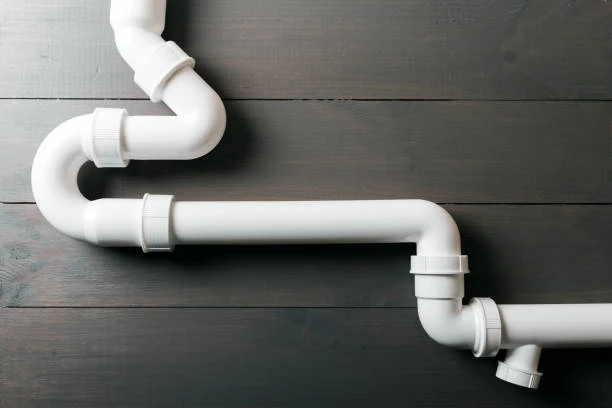
The world of PVC flexible pipes has undergone remarkable technological transformation, evolving from simple fluid conveyance systems to sophisticated solutions incorporating smart monitoring and advanced material science. Modern manufacturing technologies have revolutionized these pipes, enhancing their durability, flexibility, and functionality across numerous applications. Today’s PVC flexible pipes incorporate innovative additives for improved UV resistance, better temperature tolerance, and enhanced chemical compatibility. Furthermore, integration with IoT systems enables real-time monitoring of flow rates, pressure changes, and potential leaks. These technological advancements not only improve performance but also extend service life while reducing maintenance requirements. This comprehensive exploration examines how cutting-edge innovations are reshaping PVC flexible pipes, making them smarter, more efficient, and better suited for demanding applications in various industries.
Basic Definition and Key Characteristics
PVC flexible pipes represent a significant advancement in polymer technology, consisting primarily of polyvinyl chloride enhanced with plasticizers and stabilizers to achieve optimal flexibility and durability. Modern manufacturing processes employ computerized extrusion systems that ensure consistent wall thickness and precise diameter control. These pipes feature multilayer constructions in many cases, with each layer serving specific functions such as fluid containment, reinforcement, or environmental protection. Advanced formulations now include antimicrobial additives for sanitary applications and UV stabilizers for outdoor use. The material science behind contemporary PVC pipes allows for excellent chemical resistance while maintaining flexibility across a wide temperature range. Manufacturers also incorporate color-coding technologies and permanent marking systems for easy identification and installation. These technological improvements have significantly enhanced the performance characteristics while maintaining the inherent advantages of traditional PVC piping systems.
Frequently Asked Questions (FAQ)
1. What technological improvements have enhanced PVC pipe flexibility?
Modern plasticizer technology has dramatically improved the flexibility characteristics of PVC pipes. Manufacturers now use advanced polymeric plasticizers that provide better low-temperature flexibility and reduced migration compared to traditional formulations. Computer-controlled extrusion processes ensure perfect distribution of flexibility additives throughout the pipe wall.
2. How do smart PVC pipes with monitoring capabilities work?
Smart PVC pipes integrate embedded sensors and connectivity features for real-time monitoring. Some manufacturers incorporate conductive layers that can detect leaks or changes in flow patterns. Others use external sensor arrays that clamp onto the pipe surface to monitor pressure and temperature conditions. These systems typically connect to IoT platforms through wireless protocols, providing continuous data to maintenance teams.
3. What recycling technologies support PVC pipe sustainability?
Advanced mechanical recycling systems can now process used PVC pipes into high-quality raw materials. Chemical recycling technologies break down PVC into its basic components for repolymerization. Many manufacturers incorporate sophisticated filtration systems that remove impurities from recycled material. Some production facilities use up to 100% recycled content in certain pipe grades.
4. How have joining technologies evolved for PVC flexible pipes?
Modern connection systems have revolutionized PVC pipe installation. Push-fit technology allows for tool-free connections with integrated sealing systems. Smart coupling systems feature visual indicators that show proper installation. Some manufacturers offer electromagnetic welding systems for permanent, leak-proof joints.
5. What technological advances improve chemical resistance?
Material scientists have developed advanced stabilization packages that enhance chemical resistance properties. Multi-layer extrusion technology allows for different resistance characteristics in each layer. Some pipes incorporate barrier layers that prevent chemical permeation. Nanotechnology additives create surface properties that resist adhesion and chemical attack.
Common Uses and Application Industries
The technological evolution of PVC flexible pipes has expanded their applications across numerous industries. Agricultural technology operations use them in advanced irrigation systems with integrated moisture sensors. Industrial manufacturers employ them in chemical processing plants where their improved resistance properties ensure safe fluid handling. The construction industry utilizes them in modern plumbing systems that incorporate smart water monitoring capabilities. Mining operations depend on their durability and flexibility for dewatering and slurry transport applications. Food processing facilities benefit from antimicrobial formulations in sanitary transfer systems. The automotive industry uses specialized grades for fluid transfer in manufacturing processes. Environmental protection applications include containment systems and monitoring well installations. Each industry benefits from specific technological enhancements that address unique operational challenges while improving efficiency and reliability.
Conclusion
In summary, technological innovations have transformed PVC flexible pipes into sophisticated engineering solutions that meet modern industry demands. Advances in material science, manufacturing processes, and smart technology integration have significantly enhanced their performance characteristics. The incorporation of monitoring capabilities, improved chemical resistance, and better installation technologies make these pipes more reliable and efficient than ever before. Sustainability improvements through advanced recycling technologies contribute to environmental protection efforts. As technology continues to evolve, we can expect further enhancements in smart monitoring, material performance, and installation efficiency. These developments ensure that PVC flexible pipes remain relevant and valuable across multiple industries, providing cost-effective and reliable fluid handling solutions. The future will likely bring even more innovative applications and improvements, solidifying the position of PVC flexible pipes as essential components in modern industrial and commercial systems.
Contact IFAN for Catalogs and Samples
Need technical documents, catalogs, or sample products? Reach out to IFAN today.
📧 Email: [email protected]
📱 Whatsapp: +86 19857948982
Our team responds quickly and provides professional support for all your pipeline needs.
IFAN international standard
IFAN piping systems comply with a wide range of international standards to ensure high quality and performance. These include ASTM F1974 and ASTM F1281 for multilayer piping systems, CSA B137 for Canadian plumbing applications, DIN 16836 for German technical specifications, GB18997 for Chinese standards, and ISO 21003, which covers multilayer piping systems used for hot and cold water installations. This broad certification scope highlights IFAN’s commitment to global compliance and product reliability.























