


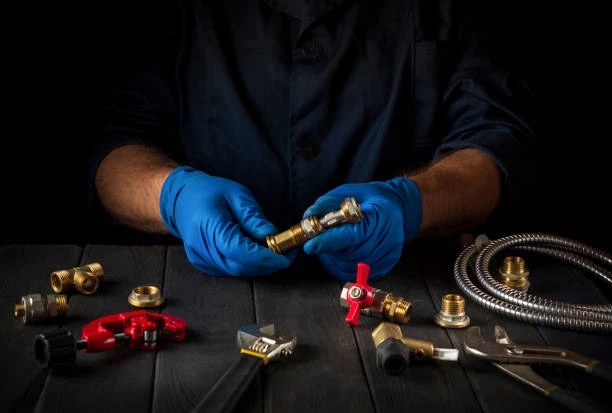
Flex pipes contribute significantly to sustainability in modern infrastructure and industrial applications. Their durability, efficiency, and environmental adaptability make them a preferred choice in projects seeking to minimize environmental impact. This article explores the various ways flex pipes support sustainability, including resource conservation, reduced emissions, and compatibility with renewable energy systems.
Resource Conservation in Manufacturing
Flex pipes help conserve resources through efficient production methods. Manufacturers use lightweight, durable materials like polymers and alloys, reducing the quantity of raw materials required. These materials provide strength and flexibility without compromising performance, ensuring long-lasting solutions.
Advanced manufacturing techniques, such as extrusion and precision molding, limit waste during production. These methods optimize material usage while reducing the energy needed for processing. Some companies incorporate recycled materials into their manufacturing processes, further decreasing their environmental footprint.
Longevity Reduces Waste
The durability of flex pipes minimizes the need for frequent replacements, reducing waste generation over time. Their resistance to corrosion, temperature fluctuations, and pressure changes ensures a long lifespan in various applications.
In plumbing, flex pipes handle water flow efficiently for decades without cracking or degrading. In industrial settings, they withstand chemical exposure and mechanical stress, eliminating the need for constant repairs or replacements. This longevity reduces the burden on landfills and conserves resources used for manufacturing new pipes.
Lightweight Design Lowers Emissions
The lightweight nature of flex pipes reduces transportation costs and emissions. Shipping lighter materials consumes less fuel, contributing to lower greenhouse gas emissions. Flex pipes also require fewer packaging materials due to their compact and flexible design, further enhancing their environmental benefits.
Local production facilities amplify these advantages. Companies that establish manufacturing plants near their target markets cut down on long-distance transportation, reducing carbon footprints even further.
Energy Efficiency in Operation
Flex pipes enhance energy efficiency in various systems by minimizing resistance and optimizing flow. Their smooth inner surfaces reduce friction, allowing fluids and gases to move efficiently.
For example, in water distribution systems, flex pipes reduce the energy required for pumping. HVAC systems equipped with flex pipes achieve better airflow and temperature regulation, lowering overall energy consumption. These efficiencies contribute to sustainability goals by decreasing operational energy use.
Renewable Energy Applications
They play a vital role in renewable energy projects. Their flexibility, durability, and resistance to harsh conditions make them ideal for transporting fluids and gases in solar, wind, and geothermal systems.
Solar thermal systems rely on flex pipes to circulate heat-transfer fluids efficiently. Wind turbine systems use them in hydraulic mechanisms, where their flexibility accommodates dynamic movements. These applications demonstrate how flex pipes support the transition to cleaner energy sources, reducing reliance on fossil fuels.
Water Conservation Through Leak Prevention
Flex pipes support water conservation by reducing leaks and ensuring reliable connections. Their flexibility allows them to adapt to movements and pressure changes without breaking or cracking. These properties prevent water wastage in plumbing, irrigation, and industrial systems.
In agriculture, flex pipes deliver water precisely to crops, avoiding overspray and runoff. Municipal water systems benefit from reduced water loss during distribution, preserving valuable resources and supporting sustainability efforts.
Eco-Friendly Materials and Recycling
Many manufacturers choose eco-friendly materials for flex pipes, including recycled polymers and low-impact alloys. These materials reduce the environmental footprint of production while maintaining strength and performance.
At the end of their life cycle, flex pipes can undergo recycling, ensuring valuable materials re-enter production processes. Recycling programs organized by manufacturers and communities enhance this process, promoting a circular economy that limits waste.
Reduced Installation Waste
The flexibility of flex pipes minimizes waste during installation. Their ability to bend and adapt to various layouts reduces the need for cutting and jointing. This adaptability ensures fewer offcuts and leftover materials.
In construction projects, flex pipes streamline installation, avoiding excessive material use. They simplify complex designs, allowing engineers to create efficient systems with fewer resources. This efficiency aligns with the principles of sustainable construction.
Compliance with Environmental Standards
They meet rigorous environmental standards, making them a preferred choice for green building certifications like LEED. Their energy efficiency, resource conservation, and waste reduction align with global sustainability goals.
Regulations supporting eco-friendly practices in industries encourage the use of flexible piping solutions. Governments and organizations promote these systems through incentives and grants, accelerating the adoption of sustainable infrastructure technologies.
Supporting Circular Economies
Flex pipes contribute to circular economies by reducing waste and encouraging resource reuse. Their recyclability and long lifespan ensure minimal environmental impact throughout their life cycle.
Innovative programs, such as buy-back or recycling initiatives, allow consumers to return used pipes for proper processing. These programs enable manufacturers to recover valuable materials, reducing the need for virgin resources and supporting sustainability.
Addressing Challenges for Broader Adoption
While they offer numerous environmental advantages, challenges remain in achieving widespread adoption. Some industries prioritize upfront costs over long-term sustainability benefits. Educating stakeholders on the environmental and economic benefits of flex pipes can address this issue.
Innovation continues to improve the affordability and performance of flex pipes. Researchers develop next-generation materials and manufacturing techniques that further reduce costs while enhancing sustainability.
Future Innovations in Flex Pipe Technology
Advancements in flex pipe technology focus on integrating smart features and using advanced materials. Smart flex pipes equipped with sensors monitor system performance in real time, enabling predictive maintenance and reducing waste.
Researchers explore bio-based materials for flex pipes, aiming to create biodegradable and renewable options. These materials promise to further reduce the environmental impact of flex pipes while maintaining their durability and flexibility.
Additive manufacturing, such as 3D printing, improves production efficiency and limits material waste. These methods represent the future of sustainable flex pipe manufacturing.
Conclusion
Flex pipes embody sustainability through resource-efficient manufacturing, long-lasting performance, and reduced environmental impact. Their adaptability, compatibility with renewable energy systems, and recyclability make them a cornerstone of eco-friendly infrastructure solutions.
As industries and consumers prioritize sustainability, flex pipes offer a practical and effective solution for reducing environmental footprints. By supporting innovation and raising awareness, the flex pipe industry ensures its role in building a cleaner, more sustainable future.
IFAN international standard
IFAN standards include a range of international certifications and specifications such as ASTM 2846, DIN 8079/8080, ASTM F441/F441M SCH80, DIN, GB/T 18993 series, AS/NZS 1477, CSA B137.6, NSF/ANSI 14, and TIS 17-2532/1131-2535, among others. These standards ensure the quality, safety, and reliability of products, aligning with global manufacturing and performance requirements. By adhering to these standards, IFAN guarantees that its products meet rigorous industry benchmarks, ensuring customer satisfaction and compliance with regulatory guidelines across various regions.
Contact
IFAN is a professional manufacturer with of experience, dedicated to producing high-quality plastic pipes, fittings, and valves. Our products include brass valves, PPR valves, as well as various pipes and fittings to meet different customer needs. Whether you need plumbing and drainage pipes or valve products, IFAN can provide a diverse range of high-quality, cost-effective products to support your projects. Below is our contact information.
We will reply your email or fax within 24 hours.
You can call us at any time if there is any question on our production.
For more information,pls visit our webside https://www.ifanplus.com/
Pls Mailto: [email protected]
Whatsapp: + 86 19857948982























