


Introduction
As environmental challenges grow worldwide, industries seek ways to minimize pollution. One highly effective solution is the adoption of polyethylene (PE) pipe fittings. Known for their durability, sustainability, and minimal environmental impact during production and use, PE pipes and fittings help address pollution concerns. This article will explore how PE pipe fittings contribute to pollution reduction, examining their benefits, applications, and role in sustainable infrastructure.
1. The Environmental Impact of Traditional Pipe Fittings
Traditional pipe materials, such as metals (e.g., copper, steel) and rigid plastics (e.g., PVC), create various environmental problems. From extraction to manufacturing and disposal, these materials degrade the environment in many ways.
Firstly, mining metal pipes consumes a large amount of energy and leads to habitat destruction. In addition, metal production emits harmful gases and produces by-products that pollute the air and water. On the other hand, PVC, commonly used in piping, contains chlorine. When burned or discarded improperly, it releases toxic substances into the environment.
Polyethylene pipes and fittings provide a more environmentally friendly alternative. For one, their production uses less energy, and they are fully recyclable. This makes them a much more sustainable option compared to traditional materials.
2. How Polyethylene Pipe Fittings Help Reduce Pollution
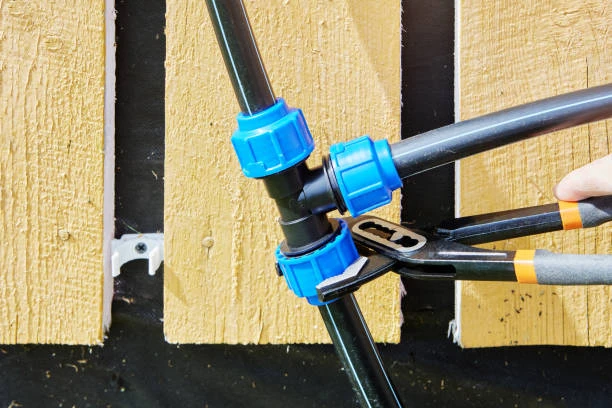
PE pipe fittings, including elbows, tees, couplings, and adapters, are increasingly used in both residential and industrial applications. Their ability to reduce pollution becomes evident in several key areas.
2.1 Energy-Efficient Manufacturing Process
One of the primary advantages of polyethylene pipes and fittings lies in their energy-efficient manufacturing process. In fact, producing PE pipes requires much less energy than traditional materials. Moreover, the production of PE pipes generates fewer greenhouse gas emissions, making them a greener option. As a result, manufacturers can significantly lower the environmental footprint of production.
Furthermore, PE pipes don’t require harmful chemicals for their production, unlike PVC or metal pipes. This significantly reduces the release of volatile organic compounds (VOCs) and other harmful substances into the environment, making PE fittings a cleaner option overall.
2.2 Reduced Carbon Footprint
Polyethylene pipe fittings also contribute to a reduced carbon footprint. Because they are lightweight, transporting PE pipes and fittings requires less energy. Consequently, the emissions involved in delivering these materials to construction sites are lower than those associated with heavier materials like metal or PVC pipes.
Additionally, PE pipes last longer and resist corrosion more effectively than traditional pipes. This means fewer replacements are needed. Therefore, PE pipes contribute to waste reduction and lower the demand for raw materials, resulting in a long-term reduction of pollution.
2.3 Lower Water Consumption and Waste
Polyethylene pipe fittings play a crucial role in water conservation. For example, PE pipes prevent leaks more effectively than other materials in water supply systems. Due to their tight seals, PE pipe systems are less prone to failure, which reduces water loss and helps minimize the environmental impact of wasted water.
In regions with water scarcity, this feature proves particularly valuable. By reducing water wastage, PE pipe fittings help improve water management and promote sustainable use of this vital resource.
2.4 Waste Reduction and Recycling Opportunities
In addition to these advantages, polyethylene is recyclable. As a result, once PE pipes and fittings reach the end of their life, they can be processed into new products. This is a significant advantage over materials like PVC or metal, which are harder to recycle due to their composition. Recycling PE pipes not only helps cut down waste but also reduces the need for raw material extraction, preventing further environmental damage.
3. Polyethylene Pipe Fittings in Sustainable Infrastructure Projects
PE pipe fittings are becoming a popular choice in infrastructure projects focused on reducing environmental impacts. For instance, in urban water management systems, PE pipes are used for stormwater drainage. This helps prevent the contamination of natural water sources, which is a major pollution concern.
Moreover, polyethylene’s flexibility and resistance to cracks and leaks make it ideal for use in earthquake-prone areas. Traditional piping systems are more likely to fail during earthquakes, but PE pipes can withstand such events. This resilience ensures that water and wastewater systems remain operational, even under difficult conditions, further supporting sustainable development.
PE pipe fittings also play an essential role in energy-efficient heating systems, such as underfloor heating. By using PE pipes, these systems minimize energy loss and improve overall efficiency. Consequently, they reduce reliance on fossil fuels, helping cut down pollution associated with energy production.
4. Case Studies of Polyethylene Pipe Fittings in Action
To understand the positive impact of PE pipe fittings, let’s examine a few case studies that demonstrate their role in reducing pollution.
4.1 The Use of PE Pipes in Urban Wastewater Management
In several large cities, PE pipes have replaced outdated wastewater management systems. For example, a European city upgraded its old concrete and metal pipes with PE pipes. This switch led to a significant reduction in water loss and lower maintenance costs. As a result, the city experienced fewer leaks and contamination issues, demonstrating the environmental benefits of PE pipe fittings.
4.2 PE Fittings in Renewable Energy Projects
In the renewable energy sector, PE pipe fittings are used in geothermal and solar thermal systems. In these applications, PE pipes help ensure system efficiency by minimizing heat loss and maintaining optimal temperatures. This significantly reduces the energy required to heat water, helping lower dependence on fossil fuels and reduce the carbon footprint of these energy systems.
5. Conclusion: The Role of Polyethylene Pipe Fittings in Environmental Sustainability
Polyethylene pipe fittings offer numerous benefits in the fight to reduce pollution. From their energy-efficient manufacturing process to their recyclability and durability, PE pipes and fittings contribute to a cleaner environment. In addition, their use in water management and sustainable infrastructure projects provides long-term solutions for conserving natural resources and reducing pollution.
As the world moves toward more sustainable practices, polyethylene pipe fittings stand out as a cost-effective, eco-friendly choice for modern infrastructure. By reducing carbon emissions, minimizing water waste, and offering recyclable solutions, PE pipes and fittings contribute to a cleaner, greener future for generations to come.
IFAN international standard
IFAN’s HDPE products comply with various international standards, ensuring quality, durability, and reliability. These standards include ASTM D3035 and ASTM D3350, which define specifications for polyethylene (PE) pipes and materials. The ISO 4427 and EN 12201 series set global benchmarks for PE pipes used in water supply systems. Additionally, DIN 8074/8075 and GB/T 13663 establish performance and dimension requirements for HDPE pipes in European and Chinese markets. Other recognized standards, such as AS/NZS 4130 (Australia/New Zealand), JIS K6760 (Japan), BS 6572 (UK), and CSA B137.1 (Canada), further demonstrate IFAN’s commitment to meeting industry regulations worldwide.
Contact
IFAN is a professional manufacturer with of experience, dedicated to producing high-quality plastic pipes, fittings, and valves. Our products include brass valves, PPR valves, as well as various pipes and fittings to meet different customer needs. Whether you need plumbing and drainage pipes or valve products, IFAN can provide a diverse range of high-quality, cost-effective products to support your projects. Below is our contact information.
We will reply your email or fax within 24 hours.
You can call us at any time if there is any question on our production.
For more information,pls visit our webside https://www.ifanplus.com/
Pls Mailto: [email protected]
Whatsapp: + 86 19857948982























