


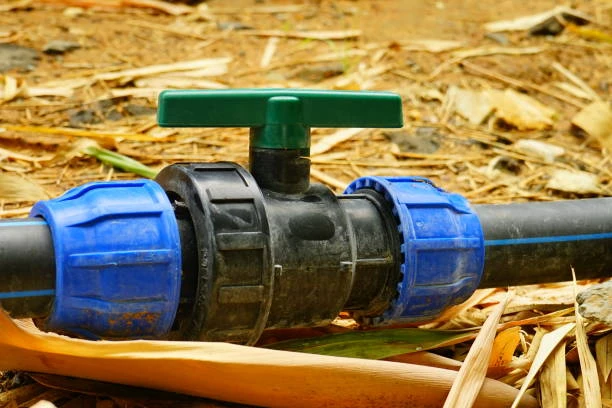
Ensuring the quality of PE (polyethylene) pipe fittings is crucial for maintaining the efficiency, safety, and durability of plumbing systems. Proper quality control measures help to meet industry standards and customer expectations. This article explores various aspects of quality control in the manufacturing, testing, and application of PE pipe fittings. Each step is critical for delivering reliable products that meet specific requirements.
Raw Material Selection
The quality control process begins with the selection of raw materials. High-grade polyethylene resin must be chosen to ensure the mechanical properties and durability of the pipe fittings. Manufacturers often use virgin resin to maintain consistency. To ensure purity, raw materials undergo inspections for contaminants or impurities.
Moreover, the inclusion of additives such as stabilizers, antioxidants, and colorants must adhere to stringent guidelines. These additives play an essential role in enhancing the material’s UV resistance, flexibility, and overall lifespan. For consistent results, manufacturers often source materials from certified suppliers with proven quality records.
Manufacturing Process Monitoring
The production process is a critical stage where quality control ensures that the final products meet design specifications. During extrusion or injection molding, parameters like temperature, pressure, and molding cycles are meticulously monitored. These factors significantly influence the structural integrity of the fittings.
Automated systems often assist in monitoring these parameters in real time. This reduces human error and ensures uniformity across production batches. Any deviation from the standard parameters triggers an alarm or shuts down the machine to prevent defective products from being manufactured.
Dimensional Accuracy Testing
Dimensional accuracy is vital for proper pipe fitting connections. Manufacturers perform regular measurements during production to ensure that each fitting adheres to specified dimensions. Tools like calipers and coordinate measuring machines (CMMs) provide precise measurements of external and internal diameters, thread depth, and overall shape.
Moreover, random sampling ensures that every production batch meets established tolerances. If a single unit falls outside the accepted range, the entire batch may undergo review. This rigorous approach ensures compatibility with various pipe sizes and types.
Mechanical Strength Testing
To withstand operational stresses, PE pipe fittings must meet mechanical strength requirements. Tensile strength tests assess the material’s ability to resist pulling forces without deformation or failure. Similarly, pressure tests evaluate the fitting’s resistance to internal and external forces under extreme conditions.
In addition, impact resistance tests simulate real-world scenarios where fittings might encounter accidental impacts or sudden pressure changes. These tests confirm that the fittings maintain their structural integrity even under challenging circumstances.
Thermal Stability Assessment
PE pipe fittings often operate in environments with fluctuating temperatures. To ensure durability, manufacturers test the thermal stability of the materials. Heat aging tests expose the fittings to high temperatures over extended periods, checking for deformation or material degradation.
Conversely, cold resistance tests evaluate performance in low-temperature conditions. This dual testing approach ensures that PE fittings can handle a wide range of applications, from hot water systems to outdoor installations in cold climates.
Hydrostatic Pressure Testing
Hydrostatic pressure testing verifies the ability of PE fittings to endure continuous water pressure without leaks or ruptures. This test involves subjecting the fitting to water at a specified pressure for a predetermined time.
Manufacturers may conduct short-term and long-term hydrostatic pressure tests to evaluate the product’s immediate and extended performance. Consistent results in these tests indicate reliable, long-lasting fittings.
Chemical Resistance Testing
PE pipe fittings often come into contact with various chemicals, including cleaning agents, fertilizers, or industrial solvents. Therefore, chemical resistance testing is crucial to ensure that the material does not degrade or lose its properties when exposed to these substances.
Manufacturers immerse sample fittings in different chemical solutions for specific durations and observe any changes in weight, dimensions, or structural integrity. The results guide product applications and compatibility with different environments.
UV Resistance Evaluation
Exposure to sunlight can degrade polyethylene over time, especially in outdoor installations. To address this, manufacturers perform UV resistance tests on PE fittings. These tests involve exposing the material to artificial or natural UV radiation and evaluating its performance.
Products with adequate UV resistance remain functional and durable, even after prolonged exposure to sunlight. This is particularly critical for fittings used in outdoor plumbing or agricultural irrigation systems.
Visual Inspection
Although automated tests ensure precision, visual inspections remain a key component of quality control. Skilled technicians inspect each fitting for surface defects, such as cracks, scratches, or uneven finishes. These visual checks also confirm proper markings, such as size, pressure ratings, and manufacturer details, which are essential for traceability.
Leak Testing
Leak testing is a crucial step to confirm the functionality of PE pipe fittings. Air or water is passed through the fittings under controlled pressure to identify any potential leaks. Any faulty fittings are immediately removed from the production line and analyzed to determine the root cause of the defect.
This testing ensures that only leak-proof products reach the market, maintaining the reliability of plumbing systems.
Compliance with Standards
Adherence to international standards such as ISO, ASTM, and EN ensures that PE pipe fittings meet industry benchmarks for quality. These standards specify parameters for dimensions, pressure ratings, and material composition.
Regular audits and certifications by third-party organizations reinforce a manufacturer’s commitment to producing high-quality products. Moreover, compliance with standards assures customers of the product’s reliability and performance.
Environmental Considerations
Modern quality control practices also account for environmental sustainability. Manufacturers implement waste reduction measures by recycling scrap material during production. Additionally, eco-friendly packaging options reflect a commitment to reducing the environmental impact.
Quality control measures ensure that PE fittings remain durable and reusable, aligning with global sustainability goals. This focus on eco-friendliness enhances the reputation of manufacturers in the competitive market.
Customer Feedback and Continuous Improvement
Customer feedback serves as a valuable resource for quality control. Manufacturers often analyze feedback to identify common issues and implement improvements in design or production processes. This iterative approach ensures that products evolve to meet changing customer needs and market demands.
Furthermore, quality control teams review return rates and warranty claims to pinpoint areas for improvement. By addressing these concerns, manufacturers enhance customer satisfaction and maintain a competitive edge.
Advanced Testing Technologies
Advancements in technology have revolutionized quality control practices for PE pipe fittings. Non-destructive testing (NDT) methods, such as ultrasonic testing and X-ray inspection, allow manufacturers to detect internal defects without damaging the product.
Automated inspection systems using artificial intelligence (AI) further improve the accuracy and efficiency of quality checks. These technologies streamline the production process while maintaining high standards of quality.
Conclusion
Effective quality control for PE pipe fittings involves a comprehensive approach that encompasses raw material selection, rigorous testing, and continuous improvement. By adhering to established standards and leveraging advanced technologies, manufacturers can ensure that their products meet the highest performance and reliability requirements.
Customers benefit from safe, durable, and efficient plumbing systems, reinforcing the value of stringent quality control measures in the industry. This holistic approach not only boosts customer trust but also supports the long-term success of manufacturers in the competitive market.
Top HDPE pipe Fitting Suppliers
| Company Name | Headquarter/Location | Year Founded |
| IFAN | ZhuJi,China | 1993 |
| Celanese Corporation | Irving, Texas, in the United States | 1921 |
| Dow | Midland, Michigan, in the United States | 1897 |
| JM Eagle | Livingston, New Jersey | 1982 |
| Cresline Plastic Pipe Co inc | Mechanicsburg, Pennsylvania, Council Bluffs, Iowa, Corsicana, Texas | 1949 |
IFAN international standard
IFAN adheres to a wide range of international standards for HDPE pipes and fittings to ensure quality, reliability, and compatibility across various applications. These standards include ASTM D3035, ASTM D3350, ISO 4427 series, EN 12201 series, DIN 8074/8075, GB/T 13663 series, AS/NZS 4130, JIS K6760, BS 6572, and CSA B137.1, among others. By complying with these globally recognized standards, IFAN ensures that its products meet the requirements for performance, durability, and safety across diverse industries and markets.
Contact
IFAN is a professional manufacturer with of experience, dedicated to producing high-quality plastic pipes, fittings, and valves. Our products include brass valves, PPR valves, as well as various pipes and fittings to meet different customer needs. Whether you need plumbing and drainage pipes or valve products, IFAN can provide a diverse range of high-quality, cost-effective products to support your projects. Below is our contact information.
We will reply your email or fax within 24 hours.
You can call us at any time if there is any question on our production.
For more information,pls visit our webside https://www.ifanplus.com/
Pls Mailto: [email protected]
Whatsapp: + 86 19857948982























