


Introduction
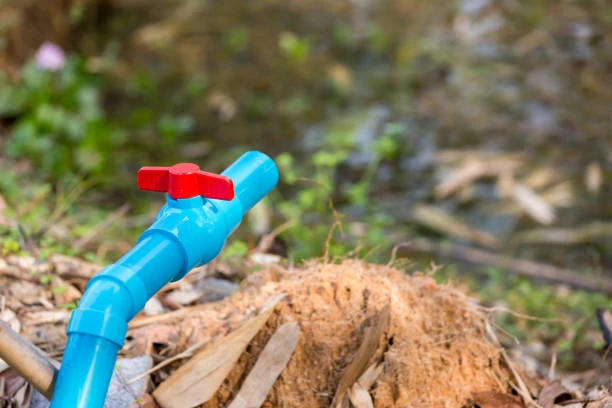
Agricultural irrigation systems require efficient water distribution, precise control, and durable components. PVC plastic valves play a crucial role in managing water flow, pressure regulation, and contamination prevention in irrigation networks. Farmers and agricultural engineers choose PVC valves for their lightweight structure, corrosion resistance, and cost-effective performance. These advantages make them suitable for various irrigation methods, including drip irrigation, sprinkler systems, and flood irrigation.
This article explores the functions, types, applications, advantages, and maintenance of PVC plastic valves in agricultural irrigation.
Functions of PVC Plastic Valves in Agricultural Irrigation
Flow Regulation
PVC plastic valves control water movement in irrigation networks. Farmers adjust these valves to regulate the flow rate and ensure even water distribution across fields. Proper control prevents overwatering and reduces water waste.
Pressure Management
Water pressure influences irrigation efficiency. High pressure can damage pipes, sprinklers, and drip emitters, while low pressure reduces water coverage. Pressure-regulating PVC valves maintain optimal pressure, improving system performance.
Zoning and Section Control
Large farms divide irrigation areas into sections. Zone valves allow independent water control in different field sections, enabling customized irrigation schedules for various crops.
Backflow Prevention
Contaminated water should not enter clean water sources. Check valves prevent backflow, ensuring fertilizers, pesticides, and soil particles do not flow back into supply lines.
Automated Irrigation Management
Farmers integrate PVC valves with automated irrigation systems. Solenoid-controlled PVC valves connect to timers and sensors, allowing automated water delivery based on soil moisture levels and weather conditions.
Chemical Injection and Fertigation
Many irrigation systems include fertigation, where fertilizers dissolve in water and distribute through irrigation lines. PVC valves regulate chemical dosing, ensuring accurate nutrient supply to crops.
Drainage and Flushing
PVC drain valves remove excess water from irrigation systems after watering cycles. Regular flushing prevents sediment buildup and maintains system efficiency.
Types of PVC Plastic Valves Used in Agricultural Irrigation
Ball Valves
Ball valves use a rotating ball inside the valve body to control flow. Farmers rely on these valves for quick shutoff, easy operation, and precise flow adjustment. Their simple design makes them durable and resistant to clogging.
Gate Valves
Gate valves feature a sliding gate that moves up or down to control water flow. Large irrigation systems use these valves to manage high water volumes. When fully open, they create minimal resistance, allowing smooth water movement.
Check Valves
Check valves allow water to flow in only one direction. These valves prevent backflow, protecting clean water sources from contamination. Spring-loaded and swing check valves function based on water pressure changes.
Butterfly Valves
Butterfly valves use a rotating disc to regulate flow. Farmers install these valves in large-diameter pipes to control high-flow irrigation systems. Their compact design saves space while providing reliable performance.
Pressure Relief Valves
Pressure relief valves release excess water when pressure levels rise too high. These valves protect irrigation equipment from damage and ensure consistent water distribution.
Solenoid Valves
Solenoid valves use an electric coil to open or close the valve. These valves integrate with automated irrigation systems, allowing remote control and timer-based water distribution.
Diaphragm Valves
Diaphragm valves control flow using a flexible membrane. These valves perform well in fertigation systems, where chemicals mix with irrigation water. Their design prevents clogging and contamination.
Applications of PVC Plastic Valves in Agricultural Irrigation
Drip Irrigation Systems
Drip irrigation delivers water directly to plant roots through small emitters. PVC valves control flow rates, manage pressure, and regulate fertigation in these systems. Precision irrigation improves water efficiency and crop yield.
Sprinkler Irrigation Systems
Sprinkler systems distribute water through rotating or fixed spray heads. PVC valves adjust water flow, ensuring even coverage across fields. Pressure control valves maintain consistent spray patterns.
Flood Irrigation
Flood irrigation covers entire fields with water. Farmers use PVC gate valves and ball valves to control the water release and flow direction. Proper regulation prevents soil erosion and excessive water usage.
Greenhouse Irrigation
Greenhouses require controlled watering conditions. Automated PVC solenoid valves integrate with sensors to regulate moisture levels, ensuring optimal growing conditions for plants.
Hydroponic Farming
Hydroponic systems grow plants in nutrient-rich water solutions instead of soil. PVC valves control nutrient flow, oxygenation, and water circulation in these high-tech farming methods.
Fertigation and Chemigation
Many farms apply fertilizers and pesticides through irrigation water. PVC valves regulate chemical injection, ensuring precise nutrient delivery and reducing waste.
Livestock Watering Systems
PVC plastic valves manage water flow in livestock watering troughs and automated drinking systems. Reliable water control improves animal hydration and farm efficiency.
Advantages of PVC Plastic Valves in Agricultural Irrigation
Corrosion and Chemical Resistance
Agricultural water systems use fertilizers, pesticides, and minerals that can corrode metal valves. PVC valves resist chemical damage, ensuring long-term reliability.
Lightweight and Easy Installation
PVC valves weigh less than metal alternatives, making transportation, handling, and installation easier. Their lightweight design reduces stress on irrigation pipes.
Cost-Effective Solution
Farmers benefit from the affordability of PVC valves compared to metal options. These valves provide long-lasting performance at a lower cost.
UV and Weather Resistance
Outdoor irrigation systems require durable materials. PVC plastic resists UV exposure, extreme temperatures, and weather conditions, maintaining efficiency in different climates.
Low Maintenance Requirements
PVC valves require minimal maintenance due to their simple design and durable construction. Regular inspections and cleaning ensure consistent performance.
Versatile Connection Options
PVC valves offer threaded, solvent-weld, and flanged connections, allowing flexible installation in different irrigation setups.
Non-Toxic and Safe for Irrigation Water
PVC plastic meets safety standards for irrigation and drinking water applications. These valves do not leach harmful chemicals into water supplies.
Maintenance of PVC Plastic Valves in Agricultural Irrigation
Regular Inspection
Farmers check valves for leaks, wear, and sediment buildup. Early detection of issues prevents costly repairs and irrigation failures.
Cleaning and Flushing
Sediment and mineral deposits can affect valve performance. Periodic flushing removes debris and maintains smooth water flow.
Seal and O-Ring Replacement
Seals and O-rings degrade over time. Replacing these components ensures tight sealing and prevents leaks.
Lubrication of Moving Parts
Some PVC valves require lubrication for smooth operation. Using approved lubricants extends valve lifespan.
Testing for Proper Operation
Farmers test valves periodically to ensure proper flow control, pressure regulation, and chemical dosing. Functional testing helps maintain irrigation efficiency.
Conclusion
PVC plastic valves serve as essential components in agricultural irrigation systems. Their functions include flow control, pressure regulation, backflow prevention, and chemical dosing. Different valve types support various irrigation methods, including drip irrigation, sprinkler systems, flood irrigation, and fertigation.
The advantages of PVC plastic valves—corrosion resistance, lightweight design, cost-effectiveness, and durability—make them ideal for farm irrigation applications. Proper maintenance, including regular inspections, cleaning, and seal replacement, ensures long-lasting performance.
Efficient water management in agriculture depends on high-quality components. PVC plastic valves contribute to sustainable irrigation, improving water conservation and crop productivity.
IFAN international standard
IFAN’s HDPE products comply with various international standards, ensuring quality, durability, and reliability. These standards include ASTM D3035 and ASTM D3350, which define specifications for polyethylene (PE) pipes and materials. The ISO 4427 and EN 12201 series set global benchmarks for PE pipes used in water supply systems. Additionally, DIN 8074/8075 and GB/T 13663 establish performance and dimension requirements for HDPE pipes in European and Chinese markets. Other recognized standards, such as AS/NZS 4130 (Australia/New Zealand), JIS K6760 (Japan), BS 6572 (UK), and CSA B137.1 (Canada), further demonstrate IFAN’s commitment to meeting industry regulations worldwide.
Contact
IFAN is a professional manufacturer with of experience, dedicated to producing high-quality plastic pipes, fittings, and valves. Our products include brass valves, PPR valves, as well as various pipes and fittings to meet different customer needs. Whether you need plumbing and drainage pipes or valve products, IFAN can provide a diverse range of high-quality, cost-effective products to support your projects. Below is our contact information.
We will reply your email or fax within 24 hours.
You can call us at any time if there is any question on our production.
For more information,pls visit our webside https://www.ifanplus.com/
Pls Mailto: [email protected]
Whatsapp: + 86 19857948982























