


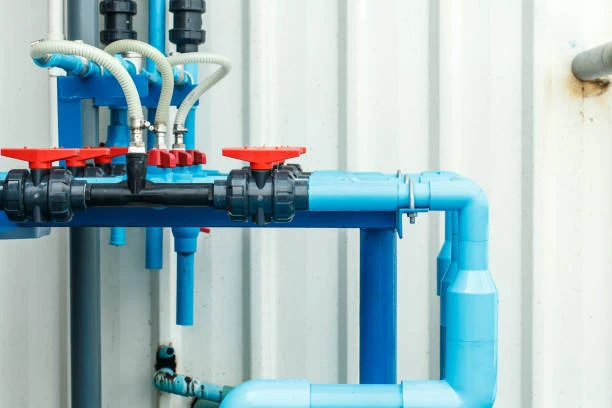
In modern irrigation systems, the reliability of every component plays a vital role. Among them, the irrigation valve is one of the most crucial parts. Its ability to withstand pressure without leaking or failing determines the overall efficiency of water delivery. Over time, PVC irrigation valves have gained popularity due to their exceptional pressure resistance. This article explores in detail why pressure resistance is essential, how PVC contributes to it, and how it compares to other materials.
The Role of Pressure Resistance in Irrigation
Water pressure varies greatly across different irrigation systems. While some setups rely on gravity-fed flow, others use powerful pumps. These fluctuations in pressure can stress irrigation valves. If a valve is not capable of handling such forces, it may fail, causing water leaks or total system breakdown.
For this reason, pressure resistance is not simply an advantage—it is a requirement. Without it, the irrigation system cannot maintain steady flow, cannot resist sudden pressure spikes, and may require frequent repairs.
Moreover, as irrigation systems grow in size and complexity, pressure regulation becomes more challenging. Thus, components like PVC valves must be capable of withstanding prolonged exposure to high water pressure.
Understanding Typical Pressure Ranges
In standard agricultural or residential irrigation systems, water pressure usually ranges between 2 and 6 bars, which is roughly 30 to 90 psi. However, some systems operate at even higher pressures, especially when used in hilly terrain or commercial farms.
To meet these demands, valves must be rated for much higher pressure than they typically encounter. This safety margin ensures performance under both normal and extreme conditions. Fortunately, PVC irrigation valves are designed exactly with this in mind.
Why PVC Is Ideal for Pressure Applications
PVC, or polyvinyl chloride, is a synthetic plastic that exhibits remarkable strength under pressure. It has a high tensile strength, meaning it can resist being pulled apart. It also has excellent compressive strength, so it doesn’t deform easily when squeezed by internal forces.
This balance of properties makes PVC suitable for manufacturing irrigation valves that maintain their shape and function under intense hydraulic pressure. Additionally, PVC does not corrode like metal, nor does it soften easily like some other plastics.
The inherent rigidity of PVC contributes significantly to pressure resistance. At the same time, its slight flexibility allows it to absorb shock from sudden pressure changes.
Design and Engineering for Strength
The ability of a PVC irrigation valve to withstand pressure is not only due to the material but also to its design. The wall thickness of the valve, its internal geometry, and reinforcement features all influence its performance.
Most manufacturers produce PVC valves with thick walls and ribbed structures to distribute stress evenly. These features prevent localized pressure points, which could otherwise lead to cracking or failure.
Moreover, precision molding techniques ensure that every valve has uniform density and no internal voids. This uniformity enhances durability and long-term performance under pressure.
Testing for Pressure Endurance
To ensure safety and reliability, every pressure-rated PVC valve must undergo rigorous testing. Manufacturers often simulate real-world conditions and apply pressure far beyond the valve’s normal working limits. Some of the common tests include:
- Constant high-pressure flow
- Cyclical pressure changes
- Rapid opening and closing under pressure
- High-temperature exposure with pressure
By passing these tests, PVC valves demonstrate their capability to handle extreme conditions. Some products are tested at up to double their rated pressure, providing a generous safety buffer for users.
Withstanding Water Hammer Effects
One of the most damaging events in a pressurized water system is water hammer. It occurs when water flow is suddenly stopped or redirected, creating a wave of pressure that travels through the pipes. This can cause fittings and valves to burst.
Fortunately, PVC irrigation valves can absorb some of this energy due to their slightly flexible nature. Unlike rigid metal valves that may crack, PVC valves can bend slightly and return to their original shape. Additionally, many PVC valves incorporate soft seats and seals that further dampen the shock.
This resistance to water hammer increases the overall reliability of the irrigation system and reduces the need for special shock-absorbing equipment.
How PVC Compares to Other Materials
It is helpful to compare PVC valves with other common valve materials in terms of pressure resistance. Each material has its advantages, but only some offer the combination of features required for high-pressure irrigation systems.
Metal valves, such as those made from brass or stainless steel, are undoubtedly strong. However, they are vulnerable to corrosion and often require more maintenance. Their performance may decline over time as rust and scaling affect internal surfaces.
Polyethylene (PE) valves are flexible and lightweight, but they typically have lower pressure ratings. They may deform under high pressure, especially in warm climates, where heat softens the material.
Polypropylene (PP) valves are often used in chemical applications due to their chemical resistance. However, they usually lack the pressure strength needed for high-volume water flow.
In contrast, PVC valves combine high pressure tolerance with chemical resistance and a low cost, making them ideal for most irrigation setups.
Impact of Temperature on Pressure Ratings
Like all thermoplastics, PVC is sensitive to temperature changes. As the temperature rises, its strength and pressure resistance slightly decrease. This phenomenon is known as the temperature derating factor.
For example, a valve rated for 10 bars at 20 degrees Celsius may only handle 6 bars at 50 degrees Celsius. Therefore, system designers must account for the operating temperature when choosing valves.
Even so, PVC outperforms many other plastic materials in maintaining pressure ratings across a wide temperature range. Its stability ensures consistent performance in both cool and warm environments.
Longevity Under Pressure
PVC irrigation valves have proven their durability in long-term use. With proper installation and maintenance, they can last over 20 years. They do not suffer from internal scaling, unlike metal valves, and their seals tend to remain intact longer due to reduced chemical interaction.
Moreover, because PVC is immune to rust, there is no risk of internal weakening over time. This reliability gives farmers, landscapers, and engineers peace of mind, knowing that their system can run continuously under pressure.
Best Practices for High-Pressure Installation
To fully benefit from the pressure resistance of PVC valves, proper installation is crucial. Even the best materials can fail if misused. Here are a few recommendations:
- Use valves rated for your system’s maximum pressure
- Avoid over-tightening threaded connections
- Allow sufficient curing time for solvent welds
- Support pipes near the valve to reduce mechanical stress
- Use compatible fittings and avoid mixing different plastic types
By following these practices, you ensure the valve performs as intended and lasts for its full design life.
Applications That Require High Pressure Resistance
Many modern irrigation systems require high-pressure components. These include:
- Commercial greenhouses with automated watering systems
- Large-scale agricultural fields using pump-driven supply
- Hillside irrigation systems where gravity adds pressure
- Systems with long pipe runs that require strong flow control
In all these cases, PVC valves offer an efficient and dependable solution. Their pressure ratings are clearly defined, and their proven track record speaks volumes.
Certification and Compliance
Reputable manufacturers provide pressure-rated PVC valves that meet national and international standards. Some of these include:
- ASTM standards for plastic piping
- ISO guidelines for valve testing
- NSF certification for potable water use
These standards ensure that each valve meets safety requirements, performs under pressure, and is safe for irrigation use. By choosing certified products, users reduce their risk of system failure and ensure compatibility with existing components.
Final Thoughts
The pressure resistance of PVC irrigation valves makes them indispensable in today’s water management systems. Their combination of mechanical strength, temperature tolerance, and long-term durability offers real advantages to users across many industries.
Unlike other materials, PVC does not compromise on any major performance area. It delivers high pressure resistance, simple installation, and excellent corrosion resistance—all at a competitive cost.
For irrigation systems that demand safety, efficiency, and reliability under pressure, PVC valves continue to be a trusted choice. As irrigation technologies evolve, and as water delivery becomes more precise and automated, the role of pressure-resistant components like PVC valves will only grow in importance.
IFAN international standard
IFAN products comply with a wide range of international standards, ensuring quality and reliability across different markets. These standards include ASTM D2846, DIN 8079/8080, ASTM F441/F441M SCH80, various DIN specifications, the GB/T 18993 Series standards, AS/NZS 1477, CSA B137.6, NSF/ANSI 14, and TIS 17-2532/1131-2535. This broad compliance demonstrates IFAN’s commitment to meeting global requirements and delivering products that meet the strictest performance and safety criteria.
Contact
IFAN is a professional manufacturer with of experience, dedicated to producing high-quality plastic pipes, fittings, and valves. Our products include brass valves, PPR valves, as well as various pipes and fittings to meet different customer needs. Whether you need plumbing and drainage pipes or valve products, IFAN can provide a diverse range of high-quality, cost-effective products to support your projects. Below is our contact information.
We will reply your email or fax within 24 hours.
You can call us at any time if there is any question on our production.
For more information,pls visit our webside https://www.ifanplus.com/
Pls Mailto: [email protected]
Whatsapp: + 86 19857948982























