


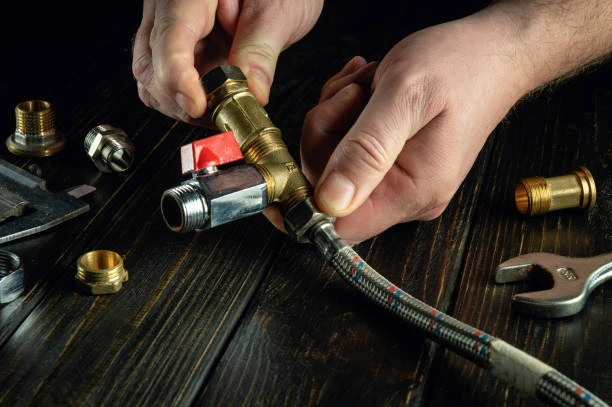
Flexible water pipes play an essential role in plumbing, irrigation, and industrial applications. Their ability to withstand pressure determines their reliability and durability in various environments. Understanding their pressure resistance requires examining material composition, design, manufacturing techniques, and external factors affecting performance.
Material Composition and Its Role
Different materials influence the pressure resistance of flexible water pipes. Common materials include PEX, PVC, rubber, and stainless steel. Each material offers unique properties that contribute to the pipe’s strength and flexibility.
PEX and Its Pressure Resistance
Cross-linked polyethylene (PEX) resists high pressure due to its molecular structure. The cross-linking process enhances its tensile strength and flexibility. This material remains stable under high water pressure and fluctuating temperatures.
PVC and Its Structural Strength
Polyvinyl chloride (PVC) provides moderate flexibility and high-pressure resistance. Manufacturers reinforce certain PVC pipes with additional layers to handle higher pressure ratings. Their rigid molecular structure ensures stability under significant pressure loads.
Rubber Pipes for High-Pressure Applications
Rubber-based flexible pipes handle extreme pressure variations. Their elasticity allows them to expand and contract without breaking. Reinforced rubber hoses often serve in industrial settings where pressure fluctuations occur frequently.
Stainless Steel Braided Pipes for Extra Strength
Flexible pipes with stainless steel braiding withstand extremely high pressure. The metal reinforcement prevents expansion while maintaining flexibility. These pipes serve in high-pressure water supply systems and industrial applications.
Design Features That Enhance Pressure Resistance
Certain design elements improve the pressure-handling capabilities of flexible water pipes. These include wall thickness, reinforcement layers, and internal diameter considerations.
Wall Thickness and Its Impact
Thicker walls improve a pipe’s ability to withstand internal pressure. Manufacturers increase wall thickness in pipes designed for high-pressure applications. This prevents deformation and rupture under heavy loads.
Reinforcement Layers for Added Strength
Many flexible pipes include reinforcement layers made of fiber, metal, or additional polymer coatings. These layers prevent expansion and maintain shape under pressure. Multi-layered pipes offer greater durability in demanding environments.
Internal Diameter and Pressure Distribution
A smaller internal diameter increases pressure resistance by reducing the surface area affected by water flow. Engineers design pipes with optimized diameters to balance flexibility and pressure resistance.
Manufacturing Techniques That Improve Durability
Manufacturing processes determine the strength and flexibility of water pipes. Techniques such as extrusion, cross-linking, and multi-layer bonding enhance pressure resistance.
Extrusion for Consistent Strength
Extrusion ensures uniform wall thickness and material distribution. Pipes produced through precision extrusion maintain consistent pressure resistance across their entire length.
Cross-Linking for Improved Molecular Integrity
PEX pipes undergo a cross-linking process that strengthens their molecular bonds. This process enhances their ability to withstand high pressure without deforming or leaking.
Multi-Layer Bonding for Superior Performance
Some flexible pipes feature bonded layers of different materials. This technique improves strength while maintaining flexibility. Bonded layers prevent separation under extreme pressure conditions.
External Factors Affecting Pressure Resistance
Several external factors influence the pressure resistance of flexible water pipes. These include temperature variations, water quality, installation conditions, and mechanical stress.
Temperature Variations and Their Effects
Extreme temperatures affect pipe strength. High temperatures soften certain materials, reducing their pressure resistance. Cold temperatures make some pipes brittle, increasing the risk of cracks. Engineers design pipes with temperature-resistant materials to handle these conditions.
Water Quality and Its Impact
Water containing high mineral content or chemicals can weaken pipes over time. Corrosion and scaling reduce pressure resistance. Regular maintenance and proper material selection help mitigate these effects.
Installation Conditions and Longevity
Proper installation ensures optimal pressure resistance. Incorrect bends, excessive stretching, or poor connections weaken pipes and reduce their ability to handle pressure. Professional installation techniques maintain long-term performance.
Mechanical Stress and Pipe Integrity
External forces such as weight, movement, and impact affect pipe durability. Pipes exposed to mechanical stress require additional reinforcement or protective coverings to maintain pressure resistance.
Testing and Standards for Pressure Resistance
Industry standards and testing procedures verify the pressure resistance of flexible water pipes. These standards ensure reliability in various applications.
Hydrostatic Pressure Testing
Manufacturers conduct hydrostatic tests by filling pipes with water and applying high pressure. This test ensures pipes can withstand real-world pressure conditions.
Burst Pressure Testing
Burst tests determine the maximum pressure a pipe can handle before failure. Engineers use this data to set safety limits for different pipe types.
Flexibility and Stress Testing
Pipes undergo stress tests to assess flexibility under pressure. These tests measure resistance to bending, stretching, and external forces.
Compliance with Industry Regulations
Regulatory bodies establish pressure resistance standards for flexible water pipes. Compliance with these regulations ensures safe and reliable performance.
Applications Requiring High-Pressure Resistance
Different industries require flexible pipes with high-pressure resistance. These include plumbing, industrial processing, irrigation, and firefighting systems.
Plumbing Systems for Residential and Commercial Use
Flexible water pipes in plumbing systems handle varying water pressure. High-quality materials ensure leak-free and long-lasting performance in homes and buildings.
Industrial Processing and Fluid Transport
Manufacturing plants and processing facilities use high-pressure flexible pipes for transporting liquids. These pipes must resist extreme pressure variations and chemical exposure.
Irrigation Systems for Agriculture
Agricultural irrigation systems rely on flexible pipes to deliver water under pressure. Reinforced pipes maintain efficiency in large-scale irrigation networks.
Firefighting Systems for Emergency Use
Fire hoses and sprinkler system pipes require high-pressure resistance. These pipes must deliver water at high velocity without failure.
Conclusion
Flexible water pipes with strong pressure resistance ensure reliable performance in various applications. Material selection, design features, manufacturing techniques, and external factors influence their durability. Proper testing and compliance with industry standards guarantee safe use. Investing in high-quality flexible water pipes enhances system efficiency and longevity.
IFAN international standard
IFAN (International Fluid and Application Network) adheres to several recognized international standards to ensure the quality and reliability of its products. These include, for instance, ASTM A312, which specifies the requirements for seamless, welded, and cold-worked annealed austenitic stainless steel pipes. Additionally, the company follows GB/T 12777-2019, a Chinese national standard that covers the specification for stainless steel pipes. Furthermore, IFAN complies with ISO 10380-2012, which outlines the requirements for stainless steel pipe fittings. By aligning with these established standards, IFAN not only ensures the technical excellence of its products but also guarantees that they meet global industry demands for performance, durability, and safety across various fluid and application systems.
Contact
IFAN is a professional manufacturer with of experience, dedicated to producing high-quality plastic pipes, fittings, and valves. Our products include brass valves, PPR valves, as well as various pipes and fittings to meet different customer needs. Whether you need plumbing and drainage pipes or valve products, IFAN can provide a diverse range of high-quality, cost-effective products to support your projects. Below is our contact information.
We will reply your email or fax within 24 hours.
You can call us at any time if there is any question on our production.
For more information,pls visit our webside https://www.ifanplus.com/
Pls Mailto: [email protected]
Whatsapp: + 86 19857948982























