


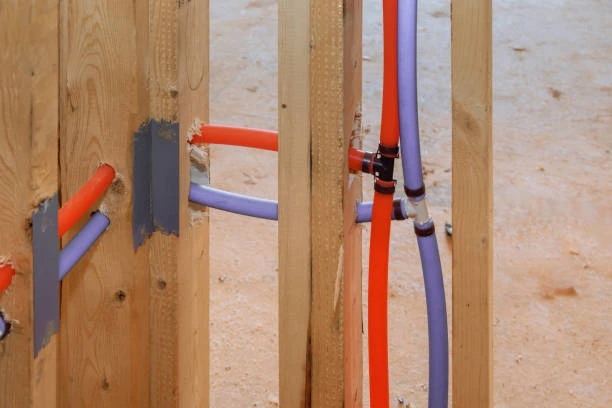
Flexible PEX pipe has revolutionized the plumbing and heating industry with its numerous advantages. Among its most significant attributes, pressure resistance plays a crucial role. Without strong pressure tolerance, no piping material can guarantee safe, consistent operation in modern systems. Therefore, choosing the right pipe requires a clear understanding of how it performs under pressure.
In this article, we examine the pressure resistance of flexible PEX pipe in depth. We explore the material’s structural properties, discuss various applications, and compare PEX with traditional pipe materials. Additionally, we highlight best practices for maximizing pressure performance in real-world systems. With growing demands in both residential and commercial installations, PEX pipe must prove itself not only through ease of use but also through its strength under pressure.
The Importance of Pressure Resistance in Piping Systems
Pressure resistance defines a pipe’s ability to handle internal forces without rupturing, deforming, or leaking. Water systems, whether for domestic supply or heating applications, involve continuous movement of pressurized fluids. Pumps, valves, and elevation changes can create surges in pressure. If a pipe cannot resist these forces, the entire system risks failure.
Consequently, engineers and contractors prioritize pressure resistance when selecting piping materials. They must ensure that pipes maintain integrity over decades of usage, even in variable conditions. Therefore, a material like flexible PEX must offer not only thermal advantages but also consistent performance under pressure.
Structural Integrity of PEX Material
Manufacturers create PEX by cross-linking polyethylene molecules. This cross-linking forms a three-dimensional network that strengthens the plastic and enhances its resistance to both temperature and pressure. The process improves molecular stability, which prevents elongation and bursting under internal force.
Moreover, the degree of cross-linking affects the material’s performance. PEX-A, for example, features the highest cross-link density. As a result, it provides maximum flexibility and the best pressure resistance. Nevertheless, PEX-B and PEX-C also offer strong mechanical properties and perform well in pressurized systems.
Thanks to this robust structure, PEX handles demanding environments better than many conventional plastic pipes. It does not crack under tension. Instead, it stretches slightly and returns to its original shape, which helps it manage pressure spikes effectively.
Pressure Ratings of Flexible PEX Pipe
Flexible PEX pipe undergoes rigorous testing before reaching the market. Standard industry ratings confirm its ability to function safely across a range of pressures and temperatures. For most PEX piping, the pressure ratings follow these general parameters:
- 160 psi at 73°F (23°C)
- 100 psi at 180°F (82°C)
- 80 psi at 200°F (93°C)
These ratings indicate the pipe’s performance under continuous pressure. However, flexible PEX can also absorb temporary surges that exceed these limits, especially when supported by proper system design. For example, a pressure surge of 120 psi may occur when a valve closes suddenly, yet PEX absorbs the shock without damage.
These characteristics make PEX suitable for both potable water and hydronic heating systems, where pressure fluctuations often occur due to system dynamics.
Flexibility Enhances Pressure Resilience
Another major factor contributing to pressure resistance is flexibility. Unlike rigid pipes, flexible PEX adjusts to changes in flow, pressure, and temperature without cracking. When water pressure increases rapidly, rigid materials tend to fracture or cause fittings to separate. In contrast, PEX stretches slightly and distributes the force along the pipe’s length.
Additionally, its flexibility allows long, continuous runs with fewer joints. Because joints often represent weak points in a system, reducing their number directly increases system reliability under pressure.
Furthermore, PEX installations can handle freeze-thaw cycles better than metal or rigid plastic. When water freezes, it expands, creating pressure inside the pipe. Metal often bursts under this expansion, while PEX flexes enough to survive. Once the ice melts, the pipe returns to its original shape and continues functioning normally.
Performance in High-Pressure Applications
Flexible PEX pipe serves well in various high-pressure environments. Its consistent performance in these challenging scenarios confirms its strength and reliability.
Residential Potable Water Systems
In most homes, the main water pressure ranges from 40 to 80 psi. However, sudden spikes from pumps or valves may temporarily raise the pressure above 100 psi. PEX easily accommodates these variations, ensuring a dependable water supply to kitchens, bathrooms, and laundry rooms.
Furthermore, pressure-regulating valves often assist in managing system stress. When installed with PEX, they form a robust network capable of long-term performance without degradation or failure.
Radiant Heating and Cooling Systems
In hydronic radiant systems, hot water circulates through tubing at moderately high pressures. Because the water must travel long distances under insulation or flooring, consistent pressure is essential. PEX handles the required 30–80 psi range without leaking or weakening over time.
In addition, these systems often use glycol mixtures that introduce chemical and thermal stress. Nevertheless, PEX maintains its structural integrity and pressure capacity, even after years of exposure.
Commercial and Industrial Applications
Beyond residential use, PEX finds its way into schools, hospitals, hotels, and manufacturing facilities. These buildings often operate systems at higher pressures and require reliable materials to avoid interruptions.
PEX proves especially valuable in recirculating hot water loops and closed-loop heating systems. In both cases, high pressure and temperature create constant mechanical stress. Yet, PEX continues to perform consistently, making it a preferred option for commercial design engineers.
Advantages Over Traditional Piping Materials
Compared to older piping materials, PEX demonstrates clear advantages in terms of pressure resistance.
Copper
While copper performs well under pressure, it corrodes over time. Scale buildup narrows the pipe’s diameter, increasing internal pressure. Eventually, the pipe may leak or rupture. In contrast, PEX resists both corrosion and scale, ensuring stable internal flow and pressure.
PVC and CPVC
Though commonly used, these materials exhibit limited flexibility. When subjected to water hammer or pressure surges, they may crack or split. PEX, however, resists these shocks with ease.
Galvanized Steel
Galvanized pipes endure high pressure but suffer from rust, weight, and installation difficulty. Moreover, their joints often weaken over time. PEX provides equivalent pressure resistance with less weight and easier installation.
Design Considerations for Maximum Pressure Performance
Although PEX performs well under pressure, system designers must follow proper practices to optimize its performance.
Use the Right PEX Type
As previously mentioned, PEX-A provides superior pressure handling due to its high cross-link density. While all PEX types resist pressure effectively, PEX-A adds extra protection in systems with frequent pressure variations.
Install Adequate Support and Anchoring
To prevent unnecessary stress on the pipe, installers should secure PEX with proper fasteners. Allowing some movement reduces tension and absorbs pressure spikes. However, excessive slack or unsupported stretches may compromise performance.
Avoid UV Exposure
UV light can degrade PEX over time, reducing its pressure resistance. Therefore, builders must protect exposed areas with insulation or sleeves. Indoors, this rarely presents a concern, but outdoor runs require attention.
Select Compatible Fittings
Fittings should match the pipe’s pressure and temperature ratings. Brass, poly-alloy, and stainless steel fittings all work well with PEX. Using certified components guarantees a strong, leak-free connection capable of enduring high pressure.
Long-Term Reliability in Pressure Systems
Flexible PEX pipe demonstrates excellent long-term durability. It does not suffer from internal scaling, which keeps pressure steady throughout its lifespan. In addition, the pipe avoids internal pitting or cracking, which could compromise performance over time.
Moreover, many manufacturers offer 25- to 30-year warranties. These warranties reflect not only laboratory testing but also real-world performance in thousands of buildings worldwide. Time and experience confirm that PEX remains strong under pressure, year after year.
Pressure Testing and Certification Standards
To ensure quality and reliability, manufacturers subject PEX pipes to a wide range of pressure tests. These tests include:
- Burst testing at extreme pressure levels
- Sustained pressure testing at elevated temperatures
- Cyclic fatigue testing to simulate pressure surges
Standards such as ASTM F876 and F877 regulate these tests. Additionally, certification from NSF, CSA, or other regulatory bodies confirms compliance with safety and performance guidelines.
These certifications help engineers and contractors trust PEX as a consistent and high-performance material.
Conclusion: A Strong Performer Under Pressure
Flexible PEX pipe has earned its reputation as a top performer in modern piping systems. Its ability to resist internal pressure makes it ideal for hot and cold water applications, radiant heating, and commercial systems. Unlike traditional materials, PEX does not corrode, crack, or deform under stress.
Thanks to its cross-linked structure, PEX retains strength even under high temperatures and continuous pressure. It stretches slightly during pressure surges, then returns to shape without damage. Installers appreciate its ease of use, while engineers respect its performance.
As plumbing and heating technologies continue to evolve, flexible PEX pipe will remain at the forefront. Its outstanding pressure resistance, combined with durability and affordability, ensures that PEX will serve future generations with confidence and reliability.
IFAN international standard
IFAN products comply with various internationally recognized standards to ensure quality and reliability. These standards include ISO 15875, GB/T 18992, DIN 16892, ASTM F877, ASTM F2788, BS 7291, BS EN ISO 15875, and CSA B137. Adherence to these certifications demonstrates IFAN’s commitment to meeting global requirements for performance, safety, and durability in piping systems.
Contact
IFAN is a professional manufacturer with of experience, dedicated to producing high-quality plastic pipes, fittings, and valves. Our products include brass valves, PPR valves, as well as various pipes and fittings to meet different customer needs. Whether you need plumbing and drainage pipes or valve products, IFAN can provide a diverse range of high-quality, cost-effective products to support your projects. Below is our contact information.
We will reply your email or fax within 24 hours.
You can call us at any time if there is any question on our production.
For more information,pls visit our webside https://www.ifanplus.com/
Pls Mailto: [email protected]
Whatsapp: + 86 19857948982























