


Introduction
When it comes to piping systems, reliability and safety are paramount. One of the most critical performance factors in such systems is pressure resistance. Among the various materials used today, blue PVC fittings have emerged as a preferred option due to their strength, affordability, and versatility. But how well do these components actually perform under pressure?
In this article, we will take an in-depth look at the pressure resistance of blue PVC fittings. We will explain what determines their pressure-handling capacity, explore the manufacturing standards they meet, compare them to other materials, and identify common applications where pressure resistance matters most.
What Are Blue PVC Fittings?
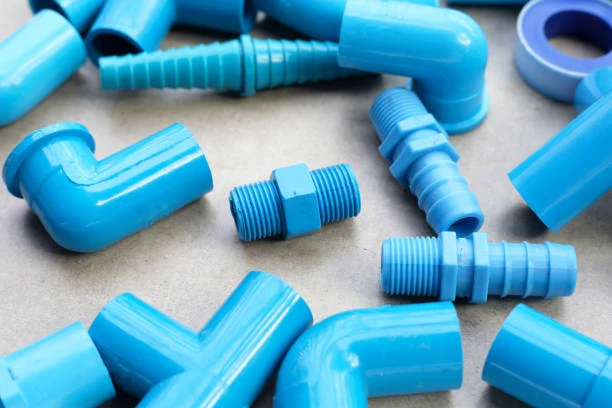
Blue PVC fittings are connectors made from polyvinyl chloride, typically used in plumbing, irrigation, and industrial systems. The blue color usually indicates a specific function, most often for cold potable water distribution. Though visually distinct, their core properties are defined by the chemical structure of the material and the design of the fitting.
PVC stands out because it is lightweight, corrosion-resistant, and chemically stable. Blue PVC, in particular, may include UV inhibitors or additional compounds that make it suitable for outdoor applications. However, regardless of color, one of the most significant attributes for performance is how much pressure these fittings can safely handle.
Why Pressure Resistance Matters
Pressure resistance is not just a technical feature—it is a safety requirement. If a pipe fitting cannot withstand the internal pressure of the system, it could lead to leaks, ruptures, or catastrophic failures. These incidents are not only expensive to repair but can also cause significant water damage, system downtime, and even safety hazards.
Therefore, when selecting fittings for high-pressure systems—whether residential, agricultural, or industrial—pressure resistance should be at the top of the priority list.
Material Properties Affecting Pressure Resistance
Several physical and chemical properties of blue PVC contribute to its ability to resist pressure. First and foremost is its tensile strength, which is the maximum amount of stress it can handle without breaking. Typically, rigid PVC has a tensile strength of around 7,000 to 8,000 psi.
Moreover, the wall thickness of the fitting plays a direct role. Thicker walls can withstand higher internal pressure. The schedule rating (such as Schedule 40 or Schedule 80) also indicates the pressure tolerance. For example, Schedule 80 blue PVC fittings usually have thicker walls than Schedule 40, offering better pressure performance.
In addition, temperature affects pressure resistance. As the temperature increases, PVC’s ability to handle pressure decreases. That is why blue PVC fittings are generally recommended for cold water systems and should not be used in high-temperature applications.
Industry Standards for Pressure Ratings
To ensure safety and consistency, blue PVC fittings are manufactured according to well-established standards. These include:
- ASTM D2466: Standard specification for PVC plastic pipe fittings, Schedule 40
- ASTM D2467: Standard specification for Schedule 80 PVC fittings
- NSF/ANSI 61: For fittings used in potable water systems
Pressure ratings are usually printed or molded onto the fittings. For instance, a typical 1-inch Schedule 40 blue PVC fitting might be rated for 450 psi at 73°F. However, at higher temperatures—say 100°F—the pressure rating may decrease by 20 to 30 percent.
Understanding these ratings helps in selecting the right component for your specific application.
Typical Pressure Ratings by Size and Schedule
Let’s look at some general values. These are approximate pressure ratings at 73°F (23°C), for reference only:
- 1/2″ Schedule 40: ~600 psi
- 1/2″ Schedule 80: ~850 psi
- 1″ Schedule 40: ~450 psi
- 1″ Schedule 80: ~630 psi
- 2″ Schedule 40: ~280 psi
- 2″ Schedule 80: ~400 psi
As evident, Schedule 80 fittings consistently offer higher pressure tolerance. However, they may also be more expensive and less readily available than Schedule 40 components.
How Pressure Resistance Is Tested
Manufacturers test blue PVC fittings under controlled conditions to ensure they meet specified pressure ratings. Common testing methods include:
- Hydrostatic pressure testing: The fitting is subjected to water pressure several times higher than its rated working pressure.
- Burst testing: Determines the maximum pressure at which the fitting fails.
- Cycle testing: Applies repeated pressure cycles to simulate real-world conditions over time.
These tests help validate that fittings perform reliably under expected and extreme scenarios.
Installation Factors That Influence Pressure Resistance
Even the strongest blue PVC fitting can fail if it is not properly installed. Several key factors affect the actual pressure resistance in the field.
Joint Integrity
The use of solvent cement is critical in creating a watertight and pressure-resistant bond between pipes and fittings. Failure to apply primer or allowing insufficient curing time can compromise joint strength.
Alignment and Support
Improper alignment can stress the fittings, especially under pressure. Supporting the pipe properly with hangers or clamps reduces strain and enhances pressure performance.
System Design
The number of bends, tees, and elbows in a system can influence pressure loss and increase localized stress. A well-planned layout with fewer abrupt changes improves overall performance.
Comparing Blue PVC with Other Materials
To fully understand the performance of blue PVC fittings, it helps to compare them with alternatives such as:
Copper
Copper fittings have excellent pressure and temperature resistance. However, they are expensive, prone to corrosion under certain conditions, and much heavier than PVC.
CPVC
Chlorinated PVC (CPVC) offers better heat resistance but is more brittle and usually more costly. It is suitable for hot water systems, unlike standard blue PVC.
PEX
PEX is flexible and easy to install. It performs well under moderate pressure but is less suitable for outdoor or UV-exposed environments unless properly shielded.
Steel
Steel is strong and pressure-tolerant but corrodes over time and is labor-intensive to install.
In comparison, blue PVC fittings offer a solid middle ground—good pressure resistance, affordability, and ease of use in cold water and low-temperature chemical systems.
Applications Where Pressure Resistance Is Critical
Residential Plumbing
In homes, water supply pressure can range from 40 to 80 psi. Blue PVC fittings easily handle these conditions, especially when sized and installed correctly.
Agricultural Irrigation
Sprinkler and drip systems often operate under moderate pressure. However, pressure spikes can occur. Blue PVC fittings, especially those rated Schedule 80, offer extra security against failure.
Industrial Fluid Handling
In chemical processing or fluid transport systems, consistent and safe pressure handling is essential. With proper selection, blue PVC fittings can withstand aggressive liquids and moderate pressure levels.
Municipal Water Systems
For distributing potable water to communities, reliability under pressure is a must. Color-coded blue PVC fittings not only indicate cold water but also assure high performance when pressure conditions are controlled.
Advantages of High Pressure-Resistant Blue PVC Fittings
- Safety: Reduces the risk of blowouts or leaks.
- Durability: Withstands years of consistent use without significant wear.
- Cost-Efficiency: Prevents system failures that could result in expensive repairs.
- Versatility: Suitable for various settings including homes, farms, and factories.
- Low Maintenance: Once installed correctly, these systems require minimal upkeep.
Temperature De-Rating
One important factor to consider is temperature de-rating. As temperature rises, the material’s pressure capacity drops. Here are typical de-rating values:
- 80°F: 0.88 multiplier
- 100°F: 0.62 multiplier
- 120°F: 0.50 multiplier
So, a fitting rated at 400 psi at 73°F would only support 248 psi at 100°F. This makes blue PVC unsuitable for hot water systems unless a lower pressure is acceptable.
Maintenance and Monitoring
Although blue PVC systems require minimal maintenance, occasional checks ensure continued performance. Key actions include:
- Inspect joints and seals regularly.
- Monitor for signs of cracking or discoloration.
- Ensure pipe supports remain secure.
Simple steps like these help maintain pressure integrity over time.
Common Myths About Pressure Resistance
Myth 1: Color Affects Strength
The color, including blue, primarily serves identification purposes. It does not significantly affect structural strength unless specific UV inhibitors or additives are involved.
Myth 2: All PVC Fittings Handle the Same Pressure
Not all fittings are created equal. Differences in schedule rating, manufacturer quality, and wall thickness lead to varying pressure tolerances.
Myth 3: Higher Pressure Always Means Better Quality
A fitting with higher pressure tolerance is not always necessary. Overspecifying can result in unnecessary cost. It’s better to match fittings to actual system demands.
Final Recommendations
When choosing blue PVC fittings for a pressure-sensitive application, consider the following:
- Select the correct schedule rating (Schedule 40 or 80).
- Confirm temperature and chemical compatibility.
- Choose fittings with clear pressure markings and compliance certifications.
- Follow manufacturer guidelines during installation.
- Monitor the system periodically to ensure long-term performance.
Conclusion
In conclusion, blue PVC fittings are a reliable, cost-effective option for systems where pressure resistance is critical. Thanks to their robust design, strong material properties, and adherence to industry standards, they offer outstanding performance under various operating conditions.
While not suited for every application—especially high-temperature environments—they shine in cold water, irrigation, and chemical transport systems. With proper installation and maintenance, blue PVC fittings deliver years of safe, leak-free service. Their impressive pressure resistance, combined with affordability and ease of use, makes them an excellent choice in both residential and industrial settings.
IFAN international standard
IFAN adheres to a comprehensive range of standards to ensure quality and performance across various applications. These include BS 3505 and BS 4346, along with ASTM standards such as D1785 SCH40, D1785 SCH80, D2665, D2241, D2729, and F441/F441M. The portfolio is further strengthened by international standards from DIN, GB, and DWV, as well as the ISO 1452 Series and its equivalent EN ISO 1452. Additionally, specific standards such as DIN 8061/8062, GB/T 10002 Series, AS/NZS 1477, JIS K6741, CSA B137.3, NSF/ANSI 14, and TIS 17-2532/1131-2535 are incorporated. Collectively, these standards ensure that IFAN’s products and processes adhere to rigorous performance criteria and quality benchmarks, thereby promoting safety, reliability, and interoperability on a global scale.
Contact
IFAN is a professional manufacturer with of experience, dedicated to producing high-quality plastic pipes, fittings, and valves. Our products include brass valves, PPR valves, as well as various pipes and fittings to meet different customer needs. Whether you need plumbing and drainage pipes or valve products, IFAN can provide a diverse range of high-quality, cost-effective products to support your projects. Below is our contact information.
We will reply your email or fax within 24 hours.
You can call us at any time if there is any question on our production.
For more information,pls visit our webside https://www.ifanplus.com/
Pls Mailto: [email protected]
Whatsapp: + 86 19857948982























