


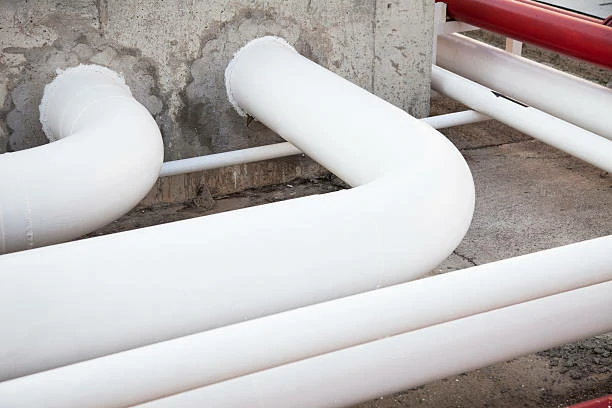
Polypropylene Random Copolymer (PPR) tubes have become a popular choice in plumbing systems due to their durability, flexibility, and resistance to high temperatures and chemicals. Understanding the lifespan of them is crucial for anyone involved in construction, plumbing, or home improvement. This article delves into the factors that influence the lifespan of PPR tubes, how to maximize their longevity, and what to expect from these versatile piping systems.
What is PPR Tube?
PPR tubes are made from a type of plastic known as polypropylene random copolymer. This material offers a unique combination of strength, flexibility, and resistance to heat and chemicals. PPR tubes are commonly used in hot and cold water supply systems, heating systems, and even in industrial applications where chemical resistance is essential.
Factors Influencing PPR Tube Lifespan
Several factors can influence the lifespan of them. Understanding these factors can help you make informed decisions about their installation and maintenance.
1. Material Quality
The quality of the PPR material itself plays a significant role in determining the lifespan of the tubes. High-quality PPR tubes are manufactured under strict conditions, ensuring uniformity and consistency in the material. Lower-quality tubes may have impurities or inconsistencies that can lead to premature failure.
2. Installation Practices
Proper installation is critical to the longevity of them. Incorrect installation techniques, such as improper welding or inadequate support, can lead to stress points and eventual failure. It’s essential to follow manufacturer guidelines and use the right tools and techniques during installation.
3. Operating Conditions
The conditions under which they operate can significantly impact their lifespan. Factors such as water temperature, pressure, and the presence of chemicals can all affect how long the tubes will last. PPR tubes are designed to withstand high temperatures and pressures, but consistently operating at the upper limits of their capacity can reduce their lifespan.
4. Environmental Factors
External environmental factors, such as exposure to UV radiation, extreme temperatures, and physical damage, can also influence the lifespan of PPR tubes. While PPR tubes are generally resistant to many environmental factors, prolonged exposure to harsh conditions can degrade the material over time.
5. Maintenance and Care
Regular maintenance and care can extend the lifespan of them. This includes routine inspections for signs of wear or damage, cleaning to prevent the buildup of deposits, and timely repairs if any issues are detected.
Maximizing the Lifespan of PPR Tubes
To ensure that your PPR tubes last as long as possible, consider the following tips:
1. Choose High-Quality Tubes
Investing in high-quality PPR tubes from reputable manufacturers can make a significant difference in their lifespan. High-quality tubes are less likely to have defects and are more resistant to the stresses they will encounter during their service life.
2. Follow Proper Installation Procedures
Proper installation is crucial for the longevity of them. Ensure that the tubes are installed according to the manufacturer’s guidelines, using the correct tools and techniques. This includes proper welding, adequate support, and avoiding sharp bends or kinks.
3. Monitor Operating Conditions
Keep an eye on the operating conditions of your PPR tubes. Avoid consistently operating at the upper limits of their temperature and pressure ratings. If your system frequently operates under extreme conditions, consider using tubes with higher ratings or implementing additional protective measures.
4. Protect from Environmental Factors
Protect PPR tubes from harsh environmental conditions whenever possible. If the tubes are exposed to UV radiation, consider using protective coatings or covers. In areas with extreme temperatures, ensure that the tubes are adequately insulated.
5. Regular Maintenance
Regular maintenance can help identify and address potential issues before they become significant problems. Inspect the tubes periodically for signs of wear, damage, or deposits. Clean the tubes as needed to prevent the buildup of materials that could affect their performance.
Expected Lifespan of PPR Tubes
Under normal operating conditions and with proper installation and maintenance, PPR tubes can last for several decades. Many manufacturers offer warranties of or more, reflecting the confidence they have in the durability and longevity of their products.themUnder normal operating conditions and with proper installation and maintenance, PPR tubes can last for several decades. Many manufacturers offer warranties of or more, reflecting the confidence they have in the durability and longevity of their products.
However, it’s essential to recognize that the actual lifespan of them can vary depending on the factors discussed above. In ideal conditions, PPR tubes can easily exceed their expected lifespan, while in harsher environments or with poor installation and maintenance, their lifespan may be significantly reduced.
Signs of PPR Tube Degradation
Even with the best care, PPR tubes will eventually show signs of degradation. Recognizing these signs early can help you address issues before they lead to failure.
1. Discoloration
Over time, PPR tubes may become discolored, particularly if they are exposed to high temperatures or UV radiation. While discoloration alone may not indicate a problem, it can be a sign that the material is beginning to degrade.
2. Cracking or Brittleness
As PPR tubes age, they may become more brittle and prone to cracking. This is particularly true if they are exposed to harsh environmental conditions or if they have been subjected to repeated stress.
3. Leaks
Leaks are a clear sign that something is wrong with your PPR tubes. If you notice a leak, it’s essential to address it immediately to prevent further damage.
4. Reduced Flow
A reduction in water flow can indicate that there is a buildup of deposits or that the tubes are becoming constricted due to damage or degradation. Regular cleaning and maintenance can help prevent this issue.
Conclusion
PPR tubes offer a durable and reliable solution for a wide range of plumbing applications. By understanding the factors that influence their lifespan and taking steps to maximize their longevity, you can ensure that your PPR tubes provide many years of trouble-free service. Regular maintenance, proper installation, and careful monitoring of operating conditions are all essential components of getting the most out of your PPR tubes. With the right care, PPR tubes can be a long-lasting and cost-effective choice for your plumbing needs.
IFAN international standard
IFAN adheres to multiple international standards to ensure the quality and reliability of its products. These standards include ISO 15874 Series, EN 15874 Series, ASTM F2389, DIN 8077/8078, GB/T 18742 Series, and NBR 15884. By complying with these rigorous standards, IFAN guarantees that its piping systems meet the necessary safety, performance, and durability requirements for various applications.
Contact
IFAN is a professional manufacturer with of experience, dedicated to producing high-quality plastic pipes, fittings, and valves. Our products include brass valves, PPR valves, as well as various pipes and fittings to meet different customer needs. Whether you need plumbing and drainage pipes or valve products, IFAN can provide a diverse range of high-quality, cost-effective products to support your projects. Below is our contact information.
We will reply your email or fax within 24 hours.
You can call us at any time if there is any question on our production.
For more information,pls visit our webside https://www.ifanplus.com/
Pls Mailto: [email protected]
Whatsapp: + 86 19857948982























