


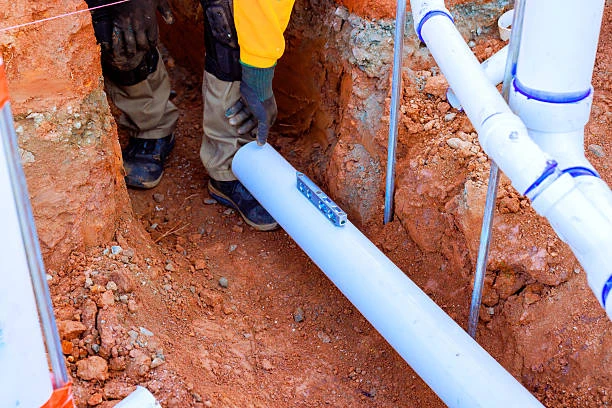
In modern construction, agriculture, and industry, engineers and contractors continue to choose polyvinyl chloride pipes. These pipes offer excellent performance at a relatively low cost. As a result, they remain one of the most popular piping materials worldwide. In this comprehensive guide, we will explain their technical features, explore various applications, and offer practical advice for selection and installation.
Frequently Asked Questions (FAQ)
What are polyvinyl chloride pipes?
Polyvinyl chloride pipes, often known as PVC pipes, come from thermoplastic polymer resin. Manufacturers use extrusion processes to shape them into strong, lightweight tubes. Because of their chemical stability and resistance to corrosion, these pipes adapt well to both low-pressure and medium-pressure systems.
Where can people use polyvinyl chloride pipes?
People often use them in plumbing, irrigation, cable protection, industrial processing, and even ventilation systems. Since they resist weather and chemicals, they work well both indoors and outdoors.
Why do engineers prefer polyvinyl chloride pipes?
They offer many benefits. Unlike metal pipes, they never rust. Moreover, they weigh much less, which simplifies handling and speeds up installation. They also cost less, which makes them suitable for both large-scale and small-scale projects.
Technical Characteristics of Polyvinyl Chloride Pipes
To understand the full value of polyvinyl chloride pipes, we must examine their technical properties. These features define their performance in various systems.
Chemical Resistance
First and foremost, these pipes resist many chemicals, including acids and alkalis. Consequently, they can safely carry liquids in industrial environments. Unlike metal pipes, they never react with water or common detergents.
Mechanical Strength
Despite their light weight, polyvinyl chloride pipes handle internal pressure effectively. Most standard models support 10 to 16 bar, depending on wall thickness. Moreover, their rigidity allows stable installation without frequent support brackets.
Thermal Range
Although these pipes do not tolerate high heat like some metal options, they perform well in most applications. Typically, they work best between -10°C and 60°C. In colder conditions, they retain flexibility and rarely crack.
Electrical Insulation
In electrical projects, safety always comes first. Fortunately, polyvinyl chloride pipes insulate electricity completely. As a result, contractors use them to protect wiring in both homes and factories.
Low Surface Friction
With a smooth inner wall, these pipes minimize pressure loss. Fluids flow easily and consistently, even over long distances. Therefore, they help maintain system efficiency without extra energy costs.
Applications of Polyvinyl Chloride Pipes
Thanks to their versatility, polyvinyl chloride pipes appear in nearly every sector. Let’s explore their most common applications across different industries.
1. Construction and Plumbing
In residential and commercial buildings, these pipes play a central role. They carry clean water into bathrooms and kitchens. They also drain wastewater efficiently. Because they resist scale and blockages, they reduce maintenance frequency.
Furthermore, many builders use them for rooftop rainwater drainage systems. Their UV stability and weather resistance make them suitable for long-term outdoor use.
2. Agriculture and Irrigation
Farmers benefit greatly from polyvinyl chloride pipes. Whether managing large irrigation networks or small garden plots, they rely on these pipes to distribute water evenly. Since the material resists fertilizer corrosion, it remains reliable throughout the growing season.
In greenhouses, growers often use PVC pipes for misting and cooling systems. Their modular design allows quick adjustments, which helps optimize water use.
3. Electrical and Telecom Infrastructure
Electricians frequently choose polyvinyl chloride pipes for cable routing. These pipes provide physical protection and insulation at the same time. When buried underground, they shield wires from moisture, rodents, and shifting soil.
Similarly, telecom technicians use them to house fiber-optic cables. Their low-friction interiors allow easy cable pulls during installation.
4. Industrial Applications
Many industries handle aggressive chemicals and process fluids. In these cases, polyvinyl chloride pipes offer a practical alternative to metal. They carry non-flammable liquids, air, and cooling water without corrosion risk.
In food and beverage factories, sanitary PVC pipes help move liquids between processing stages. Since they do not affect taste or odor, they support clean and safe production.
5. Ventilation and Ducting
Although less common, some HVAC systems use polyvinyl chloride pipes for ventilation. In small buildings, they handle exhaust air effectively. Additionally, laboratories and workshops use them to transport vapors from chemical processes.
How to Select the Right Polyvinyl Chloride Pipes
Choosing the right pipe involves more than just size. Buyers must also consider pressure ratings, wall thickness, and material grades. Let’s break down the key factors step by step.
Know Your Pressure Needs
First, identify whether your system involves water under pressure. For pressurized systems, choose Schedule 40 or Schedule 80 pipes. These pipes have thicker walls and stronger joints. For drainage or cable protection, low-pressure models usually suffice.
Choose the Right Diameter
Next, match the pipe diameter to your flow requirements. Small-diameter pipes (20mm–50mm) suit domestic uses, while large ones (up to 200mm or more) serve irrigation or industrial pipelines. If in doubt, always consult flow rate charts.
Verify Compliance
Reputable manufacturers follow national and international standards, such as ASTM, ISO, or DIN. Look for markings on the pipe body. These standards guarantee quality, safety, and compatibility with fittings.
Evaluate Additives and Formulas
Not all PVC is the same. Some manufacturers add UV stabilizers or impact modifiers to enhance performance. For outdoor use, choose UV-resistant pipes. In cold climates, impact-modified PVC helps prevent cracking.
Check Fittings and Accessories
Lastly, make sure your selected pipes match available fittings. Most suppliers offer a full range of elbows, tees, couplings, and valves. When everything comes from the same brand, connections fit better and leaks become less likely.
Installation Tips for Maximum Performance
Correct installation ensures the long-term performance of polyvinyl chloride pipes. Even the best pipe will fail if installed poorly. Therefore, follow these tips carefully.
Prepare the Site
Always clear and level the installation path. Remove stones or debris that might damage the pipe. In trenches, lay a smooth sand bed to support the pipe evenly.
Cut and Clean Properly
Use a sharp PVC cutter for clean edges. Then, remove burrs and dust before applying solvent cement. A clean joint ensures maximum bonding strength.
Apply Cement and Assemble Quickly
Work efficiently. After applying cement, insert the pipe into the fitting immediately. Hold it firmly for 30 seconds to prevent movement. Allow curing time according to temperature and humidity.
Avoid Over-Tightening
For threaded fittings, never use metal tools. Tighten by hand, then apply a quarter turn. Over-tightening often causes cracks or leaks.
Test Before Final Use
Before using the system, run pressure tests. Observe all joints for leaks. Early testing allows quick repairs and saves time later.
Comparison with Other Pipe Materials
Let’s compare polyvinyl chloride pipes with other common options. This comparison helps clarify where PVC stands out.
| Feature | Polyvinyl Chloride Pipes | Galvanized Steel Pipes | Copper Pipes | PEX Pipes |
|---|---|---|---|---|
| Weight | Very Light | Heavy | Medium | Very Light |
| Cost | Low | High | High | Medium |
| Corrosion Resistance | Excellent | Poor | Good | Excellent |
| Chemical Resistance | High | Low | Low | Medium |
| Installation | Simple | Complex | Moderate | Simple |
| Temperature Resistance | Moderate | High | High | High |
| Lifespan | 30–40 years | 15–20 years | 40– | 30– |
From this chart, we can see that polyvinyl chloride pipes offer a clear advantage in cost and corrosion resistance. Although they may not suit high-temperature applications, they outperform in plumbing, drainage, and cable protection.
Conclusion: A Smart Choice for Modern Systems
To summarize, polyvinyl chloride pipes deliver reliable performance across a wide range of applications. Whether for residential plumbing, industrial piping, or agricultural irrigation, they offer a balanced combination of durability, affordability, and ease of use.
Because they resist corrosion and require minimal maintenance, they save time and money over the long term. Moreover, their lightweight design simplifies installation, even for small teams or remote locations.
Therefore, engineers, contractors, and homeowners can confidently choose polyvinyl chloride pipes for efficient and dependable system construction. As long as you select high-quality products and follow proper installation steps, these pipes will perform effectively for decades.
Contact IFAN for Catalogs and Samples
Need technical documents, catalogs, or sample products? Reach out to IFAN today.
📧 Email: [email protected]
📱 Whatsapp: +86 19857948982
Our team responds quickly and provides professional support for all your pipeline needs.
IFAN international standard
IFAN’s PVC piping products are manufactured in compliance with a wide range of international standards to ensure quality, compatibility, and performance. These standards include BS 3505, BS 4346, ASTM D1785 SCH40 and SCH80, DIN 8061/8062, GB/T 10002 Series, DWV, ASTM D2665, ASTM D2241, ASTM D2729, ASTM F441/F441M, ISO 1452 Series, EN ISO 1452, AS/NZS 1477, JIS K6741, CSA B137.3, NSF/ANSI 14, and TIS 17-2532/1131-2535. These certifications reflect IFAN’s commitment to delivering high-quality piping systems suitable for global markets and a variety of applications, including water supply, drainage, and industrial systems.























