


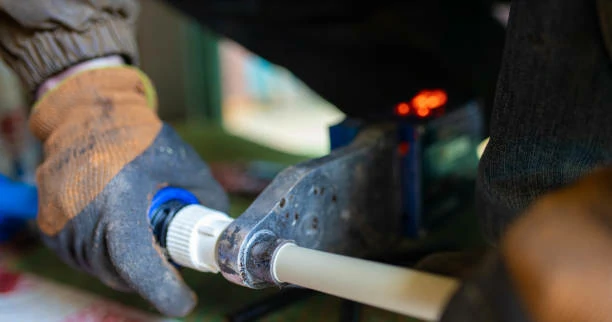
Plastic water pipes have become increasingly popular in residential plumbing systems due to their numerous advantages over traditional materials like metal. As a cost-effective, durable, and flexible alternative, plastic pipes serve as an essential component of modern plumbing for water supply. This article explores the benefits, types, installation procedures, and environmental impact of plastic water pipes in household water systems.
Advantages of Plastic Water Pipes
Plastic water pipes offer several benefits that make them the preferred choice for modern plumbing installations. Their lightweight nature, resistance to corrosion, and ease of installation all contribute to their growing popularity in homes worldwide.
Cost-Effectiveness
Plastic pipes are much cheaper than metal counterparts like copper and steel. They cost less both in terms of material price and labor during installation. The ease of handling and the lower cost of transportation further reduce the overall expense. This makes plastic pipes an excellent choice for homeowners who seek an affordable and reliable option for water supply systems.
Durability and Resistance to Corrosion
Plastic water pipes are highly resistant to corrosion, a significant issue faced by metal pipes, especially in areas with hard water. Unlike copper and steel pipes, plastic pipes do not rust or corrode when exposed to water. This resistance to corrosion extends the life of the plumbing system and reduces the need for frequent replacements, making plastic pipes a long-term investment.
Lightweight and Flexible
Plastic pipes are much lighter than metal pipes, which simplifies their transportation and handling. The reduced weight makes them easier to install, especially in tight spaces or hard-to-reach areas. Furthermore, plastic pipes offer greater flexibility, which is essential for installation in areas with high seismic activity or shifting ground. Their ability to bend without breaking ensures that they can adapt to different installation requirements.
Smooth Interior Surfaces
Plastic pipes have smooth interior surfaces that prevent the buildup of mineral deposits, which is a common problem in metal pipes. This smoothness improves water flow and reduces the risk of clogs. Over time, plastic pipes maintain their efficiency by allowing water to flow freely through the system without obstruction.
Easy Installation
One of the most significant advantages of plastic pipes is their ease of installation. Plastic pipes can be easily cut, shaped, and connected with simple tools. Many plastic pipes come with pre-installed fittings or easy-to-use jointing systems, such as push-fit connectors, making the installation process faster and more efficient. The lightweight nature of the pipes further simplifies the process, reducing the need for heavy lifting and labor-intensive work.
Types of Plastic Water Pipes
There are various types of plastic pipes commonly used for water supply systems in households. The most popular options include PVC (Polyvinyl Chloride), PEX (Cross-Linked Polyethylene), and CPVC (Chlorinated Polyvinyl Chloride). Each type has its unique properties and applications.
PVC Pipes
PVC pipes are the most commonly used plastic pipes for water distribution systems. They are made from durable and rigid plastic that resists impact, corrosion, and chemical damage. PVC pipes are ideal for cold water supply lines and are widely used in plumbing systems in homes. These pipes are available in different sizes and pressure ratings to meet various plumbing requirements.
PVC pipes are also highly resistant to UV radiation, making them suitable for outdoor installations. However, they are not suitable for hot water applications, as high temperatures can weaken the material and cause it to deform. PVC pipes are best used for cold water systems, drainage, and sewage.
PEX Pipes
PEX pipes have gained popularity due to their flexibility and ability to withstand both hot and cold temperatures. Short for cross-linked polyethylene, is a versatile material that offers exceptional performance in household plumbing systems. T can be used for both water supply and heating systems, making them highly adaptable for various applications.
PEX pipes are highly resistant to scaling and chlorine, ensuring that they remain durable over time. The flexibility of PEX allows it to be easily bent and curved, making installation quicker and more efficient. Since PEX does not require glue, joints, or fittings for connection, installation becomes much simpler and faster. Additionally, PEX pipes have excellent insulating properties, which help maintain water temperature and reduce energy loss.
CPVC Pipes
CPVC pipes are similar to PVC pipes but are chlorinated to improve their ability to withstand higher temperatures. These pipes are suitable for both hot and cold water applications, making them ideal for residential water supply systems. CPVC pipes offer the same benefits as PVC, including resistance to corrosion and chemicals, but they can handle higher temperatures, making them suitable for hot water lines.
CPVC pipes are also easy to install and maintain. They are available in various sizes and pressure ratings, offering flexibility for different plumbing needs. Like PVC pipes, CPVC pipes are lightweight, making them easier to transport and handle.
Installation of Plastic Water Pipes
Installing plastic water pipes in a household requires a clear understanding of the system’s design and the necessary tools. The installation process can vary depending on the type of pipe used, but the general steps are similar for most plastic pipes.
Planning the Layout
Before installation begins, it is essential to plan the layout of the plumbing system. This involves determining the locations of pipes, fittings, and fixtures. Proper planning helps to minimize the amount of piping required and ensures that the system is both functional and efficient. It is important to consider factors such as the water pressure, pipe diameter, and the length of the water supply lines.
Cutting and Fitting the Pipes
Once the layout is planned, the next step is to cut the plastic pipes to the required lengths. Most plastic pipes can be easily cut with a pipe cutter or a hacksaw. It is crucial to make clean, straight cuts to ensure that the fittings and joints connect securely.
After cutting, the pipes need to be connected using the appropriate fittings. Depending on the type of plastic pipe, the fittings may require solvent welding, push-fit connectors, or compression fittings. These methods ensure that the pipes are securely connected and leak-free. PEX pipes, for example, use special crimping tools to secure fittings, while PVC and CPVC pipes use solvent cement to bond the pipes and fittings together.
Testing the System
After the installation is complete, it is essential to test the system for leaks and functionality. This involves turning on the water supply and checking each connection for any signs of water leakage. If any issues are detected, the affected area should be repaired before using the system.
Environmental Considerations
Plastic water pipes have several environmental advantages over traditional materials like metal. One significant benefit is their energy efficiency. The production of plastic pipes requires less energy compared to metal pipes, making them a more sustainable choice. Additionally, plastic pipes are often made from recyclable materials, which can help reduce waste and minimize the environmental impact.
Plastic pipes are also lightweight, which reduces transportation costs and the associated carbon footprint. Their resistance to corrosion and longevity also reduces the need for frequent replacements, further lowering the environmental impact over time.
However, it is important to note that the production of plastic pipes does involve the use of fossil fuels, and the disposal of plastic waste can pose environmental challenges. Efforts to recycle plastic materials and improve the sustainability of production processes are ongoing in the industry.
Conclusion
Plastic water pipes offer an array of benefits for household plumbing systems. Their cost-effectiveness, durability, resistance to corrosion, and ease of installation make them an ideal choice for water supply applications. The various types of plastic pipes, including PVC, PEX, and CPVC, cater to different needs and can be used in a wide range of plumbing scenarios.
While plastic pipes may not have the same historical presence as metal pipes, their advantages in terms of performance, cost, and environmental impact have made them a popular choice for modern homes. As technology continues to advance, plastic pipes will likely remain a key component of plumbing systems for years to come. Whether building a new home or upgrading an existing plumbing system, plastic pipes provide a reliable, long-lasting solution for household water supply.
4o mini
IFAN international standard
IFAN’s HDPE products comply with various international standards, ensuring quality, durability, and reliability. These standards include ASTM D3035 and ASTM D3350, which define specifications for polyethylene (PE) pipes and materials. The ISO 4427 and EN 12201 series set global benchmarks for PE pipes used in water supply systems. Additionally, DIN 8074/8075 and GB/T 13663 establish performance and dimension requirements for HDPE pipes in European and Chinese markets. Other recognized standards, such as AS/NZS 4130 (Australia/New Zealand), JIS K6760 (Japan), BS 6572 (UK), and CSA B137.1 (Canada), further demonstrate IFAN’s commitment to meeting industry regulations worldwide.
Contact
IFAN is a professional manufacturer with of experience, dedicated to producing high-quality plastic pipes, fittings, and valves. Our products include brass valves, PPR valves, as well as various pipes and fittings to meet different customer needs. Whether you need plumbing and drainage pipes or valve products, IFAN can provide a diverse range of high-quality, cost-effective products to support your projects. Below is our contact information.
We will reply your email or fax within 24 hours.
You can call us at any time if there is any question on our production.
For more information,pls visit our webside https://www.ifanplus.com/
Pls Mailto: [email protected]
Whatsapp: + 86 19857948982























