


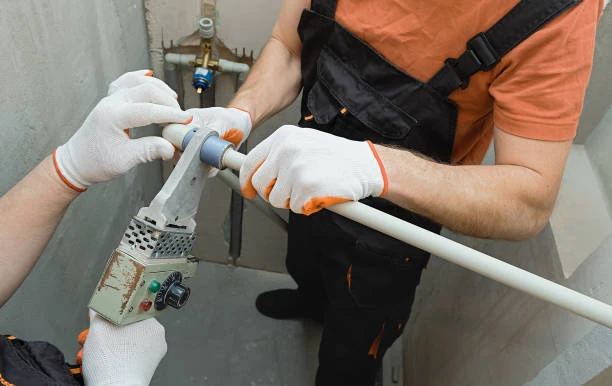
As urbanization continues to grow across the globe, the demand for efficient, reliable, and sustainable infrastructure increases. One of the most crucial elements of urban infrastructure is a reliable water supply system. The emergence and widespread adoption of plastic water pipes have played a significant role in the transformation of urban plumbing systems. These pipes offer many advantages over traditional materials like metal and clay, especially in rapidly growing cities. This article explores how plastic water pipes contribute to urbanization development, their benefits, and their role in addressing the challenges faced by modern cities.
Urbanization and Its Impact on Water Supply Systems
Urbanization refers to the process by which cities expand, both in terms of population and physical space. With more people migrating to cities for better job opportunities, access to services, and improved living conditions, urban areas are becoming more densely populated. This demographic shift puts immense pressure on existing infrastructure, especially water supply systems. The traditional materials used in water pipelines, such as cast iron, steel, or clay, often struggle to meet the demands of modern cities due to their limitations in terms of durability, installation time, and maintenance.
As the demand for water increases, cities need infrastructure that is capable of supporting a large population while being cost-effective and sustainable. This is where plastic water pipes have gained a significant advantage. Their versatility, cost-efficiency, and resistance to environmental stress make them a preferred choice for modern urban plumbing systems.
Plastic Water Pipes: A Solution for Urbanization Challenges
Plastic water pipes offer several advantages that make them particularly suited to the growing urbanization needs. These pipes address several challenges faced by urban planners, municipalities, and residents, including:
1. Cost-Effectiveness
Urban development often involves significant investment in infrastructure. Traditional piping materials like copper or steel can be expensive, not only in terms of initial costs but also in terms of long-term maintenance. Plastic pipes, such as PVC (Polyvinyl Chloride), PEX (Cross-Linked Polyethylene), and HDPE (High-Density Polyethylene), are significantly more affordable. The lower upfront costs make plastic pipes an attractive option for municipalities with limited budgets for urban expansion.
In addition to lower initial costs, plastic pipes are easier to install and maintain. This reduces labor costs associated with installation and repairs, further contributing to the overall cost savings for urban water supply systems.
2. Durability and Longevity
One of the key factors driving the adoption of plastic pipes in urbanization is their durability. Unlike traditional materials, plastic pipes are resistant to corrosion, rust, and other forms of degradation that can affect metal pipes. In rapidly growing cities, where the infrastructure is subject to frequent use and varying environmental conditions, plastic pipes perform well over the long term.
Plastic pipes are designed to last for several decades without the need for frequent repairs or replacements. This long lifespan makes them a reliable investment for urban areas that need sustainable infrastructure to accommodate growing populations.
3. Lightweight and Easy Installation
Plastic pipes are significantly lighter than their metal counterparts, which makes transportation and installation easier. The reduced weight allows for quicker and more efficient installation, reducing the overall project timeline. For cities experiencing rapid urban growth, the ability to complete large-scale plumbing projects more quickly is a critical advantage.
Additionally, the flexibility of plastic pipes, especially PEX, makes them easier to install in complex or tight spaces. The ability to bend and maneuver these pipes around obstacles without the need for additional fittings makes the installation process more efficient and cost-effective.
4. Resistance to Corrosion and Chemicals
Urban water systems often face challenges related to the quality of water, including exposure to corrosive substances and chemicals. Plastic water pipes offer excellent resistance to these elements, making them ideal for urban water supply systems. Corrosion in metal pipes can lead to leaks, water contamination, and reduced flow rates. In contrast, plastic pipes do not rust or corrode, ensuring that the water remains clean and the flow is uninterrupted.
Plastic pipes, such as HDPE, are also resistant to the effects of chemicals commonly found in urban environments, such as chlorine and other disinfectants used in water treatment processes. This resistance ensures that plastic pipes maintain their structural integrity and perform effectively over time, even in harsh conditions.
5. Environmental Sustainability
Sustainability is a key consideration in urban development. Plastic pipes are more environmentally friendly than traditional materials in several ways. First, the manufacturing process for plastic pipes typically requires less energy than the production of metal pipes. Additionally, plastic pipes are lightweight, which reduces transportation costs and fuel consumption during shipping.
Plastic pipes are also recyclable, which reduces the environmental impact of their disposal. Many municipalities are adopting recycling programs for old plastic pipes, ensuring that they do not contribute to waste in landfills. As cities become more focused on sustainable urbanization, plastic pipes offer a greener solution to water supply systems.
6. Resistance to Freezing
In colder climates, water pipes are at risk of freezing during the winter months. When water freezes inside metal pipes, the pressure can cause the pipes to crack or burst, leading to significant damage and water loss. Plastic pipes, especially PEX, have a unique ability to expand when the water inside them freezes. This reduces the risk of pipe damage, making plastic pipes a reliable option for cities in colder regions.
Urbanization and the Growing Demand for Water
As cities expand and populations grow, the demand for water increases exponentially. Urban areas must provide clean, reliable water to millions of people, which requires an extensive and efficient plumbing infrastructure. Plastic pipes play a critical role in meeting this demand.
The flexibility of plastic pipes allows them to be installed in a variety of locations, including underground, above ground, and even in spaces where traditional piping would be difficult to install. In rapidly growing cities, plastic pipes can be used to extend existing water supply systems or build new networks to serve expanding neighborhoods.
Moreover, plastic pipes can be used in both residential and industrial applications. As cities develop new residential areas, commercial buildings, and industrial zones, plastic pipes can be quickly and efficiently installed to meet the increasing demand for water.
Smart Cities and the Role of Plastic Water Pipes
With the rise of smart cities, urban infrastructure is becoming more technologically advanced. Water supply systems are increasingly being integrated with digital technologies that enable better monitoring, management, and maintenance. Plastic pipes, due to their durability, ease of installation, and resistance to corrosion, are an ideal choice for these modern water systems.
Smart sensors and monitoring systems can be integrated into plastic pipes to track water usage, detect leaks, and monitor water quality in real-time. This allows cities to optimize their water management processes, reduce waste, and ensure a more reliable water supply for residents.
Plastic Pipes in Global Urbanization Trends
Urbanization is a global trend, with countries across Asia, Africa, and Latin America experiencing rapid population growth in their cities. In these regions, plastic water pipes are helping to meet the increasing demand for water infrastructure.
For example, in rapidly growing cities in India, plastic pipes are being used to expand water supply systems in both urban and rural areas. In Africa, where access to clean water is often limited, plastic pipes offer a cost-effective and durable solution for delivering water to communities in urbanizing regions.
As urbanization continues to expand globally, plastic pipes will remain a key component of modern water supply systems. Their affordability, durability, and resistance to corrosion make them an essential tool for ensuring that urban areas have access to clean and reliable water.
Challenges and Considerations in Using Plastic Water Pipes
While plastic pipes offer many advantages, there are also challenges associated with their use in urbanization projects. One of the primary concerns is the potential for plastic pipes to become damaged by external forces, such as construction activities, ground movement, or exposure to extreme temperatures. Proper installation and protective measures can mitigate these risks.
Additionally, some plastic materials may not be suitable for all applications, particularly in environments where high temperatures or high pressures are common. It is important for urban planners and engineers to carefully assess the specific needs of their water supply systems to choose the right type of plastic pipe for the job.
Conclusion
Plastic water pipes play a vital role in supporting the growth and development of modern cities. Their cost-effectiveness, durability, and resistance to corrosion make them an ideal choice for urban water supply systems. As cities continue to expand and face the challenges of urbanization, plastic pipes provide a sustainable solution for delivering clean, reliable water to growing populations.
With the global trend toward urbanization, plastic pipes will continue to be a key component of modern infrastructure. Their ability to meet the demands of rapidly developing urban areas, along with their environmental benefits, ensures that plastic pipes will remain a crucial element in the development of sustainable, smart cities.
IFAN international standard
IFAN’s HDPE products comply with various international standards, ensuring quality, durability, and reliability. These standards include ASTM D3035 and ASTM D3350, which define specifications for polyethylene (PE) pipes and materials. The ISO 4427 and EN 12201 series set global benchmarks for PE pipes used in water supply systems. Additionally, DIN 8074/8075 and GB/T 13663 establish performance and dimension requirements for HDPE pipes in European and Chinese markets. Other recognized standards, such as AS/NZS 4130 (Australia/New Zealand), JIS K6760 (Japan), BS 6572 (UK), and CSA B137.1 (Canada), further demonstrate IFAN’s commitment to meeting industry regulations worldwide.
Contact
IFAN is a professional manufacturer with of experience, dedicated to producing high-quality plastic pipes, fittings, and valves. Our products include brass valves, PPR valves, as well as various pipes and fittings to meet different customer needs. Whether you need plumbing and drainage pipes or valve products, IFAN can provide a diverse range of high-quality, cost-effective products to support your projects. Below is our contact information.
We will reply your email or fax within 24 hours.
You can call us at any time if there is any question on our production.
For more information,pls visit our webside https://www.ifanplus.com/
Pls Mailto: [email protected]
Whatsapp: + 86 19857948982























