


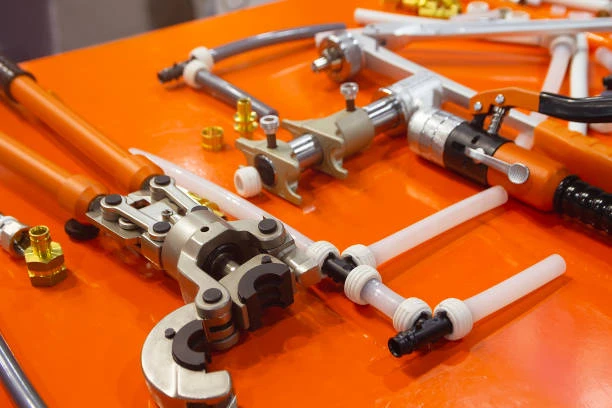
Brass pressure fittings have become a cornerstone in modern plumbing and industrial piping systems. Known for their durability, leak resistance, and adaptability to various applications, these fittings consistently outperform many other materials under pressure. Whether used in residential water systems, commercial HVAC installations, or industrial fluid transport, brass pressure fittings deliver a balance of performance, safety, and cost-effectiveness. This article offers a detailed look at their features, applications, installation guidelines, and how they compare to other piping options.
Frequently Asked Questions (FAQ)
Q1: What are brass pressure fittings used for?
A: They are used to connect, control, or terminate fluid flow in pressurized piping systems, including water, gas, and oil.
Q2: Are brass pressure fittings suitable for potable water?
A: Yes, when manufactured to certified standards like NSF or CSA, they are safe for drinking water applications.
Q3: How do I know what size brass pressure fitting to use?
A: You should match the fitting size to your pipe’s outer diameter and system pressure rating. Always refer to the manufacturer’s sizing chart.
Q4: Do brass fittings corrode easily?
A: No. Brass is highly resistant to corrosion, especially compared to iron or steel, making it ideal for long-term use.
Q5: Can brass pressure fittings be reused?
A: Some types can be reused if undamaged and properly cleaned, but it’s best to use new fittings for pressurized systems to ensure safety.
What Are Brass Pressure Fittings? Definition and Key Features
Brass pressure fittings are mechanical connectors made from a copper-zinc alloy designed to withstand internal system pressure. They come in various forms, such as elbows, tees, couplings, unions, and valves. These fittings are commonly used in plumbing systems to manage the flow of liquids or gases under pressure.
Several key features make them stand out:
- High strength and pressure resistance
- Excellent corrosion resistance
- Good thermal conductivity
- Simple installation with minimal tools
- Available in many configurations and sizes
- Tight, leak-resistant seals
Brass fittings can also handle a wide range of temperatures and pressures, making them suitable for both hot and cold water systems, as well as gas and oil distribution.
Common Applications and Industries
Due to their versatility and dependability, brass pressure fittings are widely used across multiple sectors. Here are some of the most common applications:
Residential Plumbing
Homeowners and plumbers rely on brass fittings for hot and cold water lines. Their reliability reduces the risk of leakage and long-term failures.
Commercial and Public Buildings
In offices, hotels, hospitals, and schools, these fittings ensure consistent water flow and performance in complex piping networks.
HVAC Systems
In heating, ventilation, and air conditioning systems, brass pressure fittings provide durable connections for refrigerants and hydronic heating pipes.
Industrial Applications
Factories and processing plants use brass fittings in hydraulic and pneumatic lines because they maintain seal integrity under vibration and thermal fluctuation.
Automotive and Marine
Their corrosion resistance also makes them suitable for fuel systems, oil lines, and marine environments where moisture is constant.
Agriculture and Irrigation
Farms and greenhouses use brass fittings in irrigation and sprinkler systems for their resistance to mineral build-up and environmental wear.
Buying Guide: How to Choose the Right Brass Pressure Fittings
Choosing the right brass pressure fitting can make a big difference in performance and safety. Here are the main factors to consider:
1. Material Quality
Not all brass is the same. Look for fittings made from high-quality, lead-free or low-lead brass if intended for potable water. Check for compliance with standards like ASTM B62 or EN 12165.
2. Type and Configuration
Different shapes serve different functions. Use elbows for changes in direction, tees for branching pipes, and unions for easy disconnection. Make sure the configuration matches your pipe layout.
3. Threading and Connection Style
Determine if you need compression, flare, threaded, or push-to-connect fittings. Mismatched connections can cause leaks or failure.
4. Certification and Standards
For safety, choose fittings that meet recognized certifications like NSF/ANSI, CSA, or WRAS. These confirm the fitting’s pressure rating, material safety, and durability.
5. Visual Appearance and Finish
A smooth, clean finish indicates quality manufacturing. Avoid fittings with visible cracks, burrs, or discoloration.
6. Color Coding
Some brass fittings come with colored rings or indicators to show compatibility with certain systems (e.g., red for hot water, blue for cold).
Installation Guidelines and Tips
Although brass pressure fittings are known for easy installation, proper technique is still essential for long-term performance. Follow these tips for a successful setup:
- Inspect Fittings and Pipes
Before installation, check for any visible damage or defects. Damaged components can lead to leaks. - Clean Contact Surfaces
Dirt, oil, or corrosion on the pipe ends or fitting surfaces can prevent proper sealing. - Use Appropriate Sealants
For threaded fittings, apply thread seal tape or pipe dope approved for brass to prevent leaks. - Tighten Correctly
Avoid over-tightening, which can crack the fitting. Under-tightening may also result in leakage. - Avoid Mixing Metals
Try not to mix brass with materials like galvanized steel or aluminum, as this can lead to galvanic corrosion. - Pressure Test After Installation
Always test the system after installation to ensure all connections hold under the intended operating pressure.
Brass Pressure Fittings vs. Other Pipe Materials
Understanding how brass pressure fittings compare with fittings made from other materials can help in choosing the best option for your needs.
| Feature | Brass Pressure Fittings | Plastic Fittings | Stainless Steel Fittings |
|---|---|---|---|
| Strength and Durability | High | Moderate | Very High |
| Corrosion Resistance | Excellent | Excellent (non-metallic) | Excellent |
| Temperature Range | Wide | Limited | Very Wide |
| Pressure Tolerance | High | Medium | Very High |
| Cost | Moderate | Low | High |
| Installation Ease | Easy | Very Easy | Moderate |
| Reusability | Sometimes | Rare | Yes |
| Application Flexibility | Wide Range | Limited | Wide Range |
Brass fittings offer a middle ground—more durable than plastic, more affordable and easier to install than stainless steel, and suitable for most common applications.
Conclusion
Brass pressure fittings have earned their place as a trusted component in plumbing, HVAC, and industrial systems. With their proven performance under pressure, resistance to corrosion, and ease of installation, they offer a reliable solution for both professionals and DIY users. When selected thoughtfully and installed correctly, these fittings provide long-lasting, leak-free performance in a variety of systems.
Whether you’re outfitting a residential plumbing setup, upgrading a commercial HVAC system, or working in an industrial plant, brass pressure fittings are a dependable and cost-effective choice. Consider material quality, certification, and installation best practices to get the most out of your investment.
By understanding the strengths and applications of brass pressure fittings, you ensure safe, efficient, and durable system performance for years to come.
Contact IFAN for Catalogs and Samples
Need technical documents, catalogs, or sample products? Reach out to IFAN today.
📧 Email: [email protected]
📱 Whatsapp: +86 19857948982
Our team responds quickly and provides professional support for all your pipeline needs.
IFAN international standard
IFAN piping systems comply with a wide range of international standards to ensure high quality and performance. These include ASTM F1974 and ASTM F1281 for multilayer piping systems, CSA B137 for Canadian plumbing applications, DIN 16836 for German technical specifications, GB18997 for Chinese standards, and ISO 21003, which covers multilayer piping systems used for hot and cold water installations. This broad certification scope highlights IFAN’s commitment to global compliance and product reliability.























