


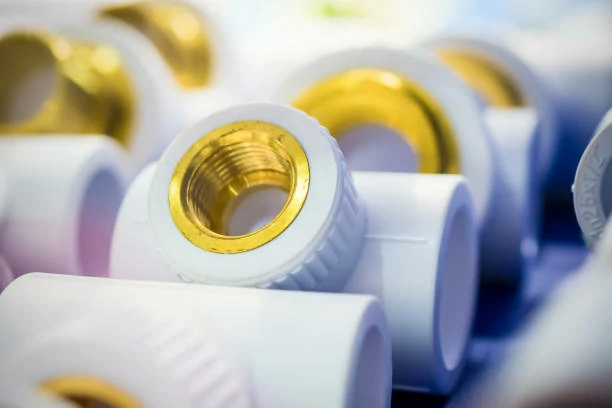
CPVC (Chlorinated Polyvinyl Chloride) pipe fittings deliver outstanding performance in various industrial and residential applications. Many industries choose CPVC because of its excellent durability, chemical resistance, and thermal stability. Unlike standard PVC, CPVC provides superior mechanical strength, making it ideal for high-pressure and high-temperature environments.
Thermal Performance
CPVC Pipe Fittings handle high temperatures without losing structural integrity. Many industries use CPVC to transport hot water, steam, and industrial chemicals. Unlike PVC, which softens at elevated temperatures, CPVC maintains rigidity and mechanical strength.
Many HVAC and industrial heating systems rely on CPVC for hot fluid transport. Unlike metals, CPVC does not conduct heat excessively, reducing energy loss. Many engineers prefer CPVC because it minimizes heat transfer and maintains efficiency.
Unlike thermoplastics that degrade under thermal stress, CPVC withstands frequent temperature fluctuations. Many hot water systems use CPVC fittings because they prevent leaks and deformation. Unlike standard plastics, CPVC Pipe Fittings resist expansion and contraction damage.
Mechanical Strength
CPVC Pipe Fittings support high-pressure applications without cracking or breaking. Many industries transport fluids under significant pressure, and CPVC withstands stress without failure. Unlike weaker materials, CPVC provides long-lasting durability in pressurized systems.
Many construction projects require strong yet lightweight piping solutions. Unlike metal alternatives, CPVC offers excellent strength without excessive weight. Many workers install CPVC fittings quickly, reducing labor costs while maintaining structural integrity.
Unlike flexible plastics that sag over time, CPVC retains its shape and rigidity. Many industrial and commercial buildings install CPVC for long-term performance. Unlike some materials, CPVC does not warp under mechanical stress.
Chemical Resistance
CPVC resists a wide range of chemicals, making it suitable for industrial processing plants. Many factories use CPVC for transporting acids, alkalis, and corrosive substances. Unlike metal pipes, CPVC does not corrode when exposed to harsh chemicals.
Many wastewater treatment plants rely on CPVC for chemical transport. Unlike steel, which requires coatings to prevent corrosion, CPVC resists chemical attacks naturally. Many chemical processing facilities benefit from CPVC’s long service life in aggressive environments.
Unlike certain plastics that absorb chemicals and degrade, CPVC maintains its structural properties. Many industrial applications require durable piping solutions, and CPVC fittings provide excellent chemical stability. Unlike some materials, CPVC prevents contamination and material breakdown.
Fire Resistance and Safety
CPVC offers excellent fire resistance, making it a safer choice for many applications. Many building codes approve CPVC for fire sprinkler systems because of its self-extinguishing properties. Unlike standard plastics, CPVC does not support combustion.
Many residential and commercial buildings install CPVC for fire suppression systems. Unlike metal pipes, CPVC does not rust, ensuring reliable performance over time. Many safety regulations recognize CPVC as a fire-resistant material for plumbing and industrial use.
Unlike thermoplastics that release toxic gases during combustion, CPVC minimizes harmful emissions. Many industries choose CPVC to enhance workplace safety and meet fire protection standards. Unlike standard PVC, CPVC provides a higher level of flame resistance.
Abrasion and Wear Resistance
CPVC fittings withstand abrasive materials and high-velocity fluid flow. Many industrial applications require piping that resists wear and tear, and CPVC delivers long-term durability. Unlike softer plastics, CPVC does not degrade when exposed to rough particles.
Many chemical plants transport slurries and solid-laden liquids through CPVC pipelines. Unlike rubber-lined pipes, CPVC maintains its surface integrity over time. Many manufacturing facilities prefer CPVC because it reduces maintenance costs and downtime.
Unlike metal pipes that experience internal erosion, CPVC retains a smooth interior surface. Many water treatment plants benefit from CPVC’s resistance to scaling and sediment buildup. Unlike some materials, CPVC prevents clogs and maintains efficient flow.
Ease of Installation
CPVC fittings connect easily using solvent welding, reducing installation time. Many workers prefer CPVC over metal piping because it does not require specialized tools. Unlike steel pipes, CPVC does not need welding or threading.
Many contractors complete CPVC installations quickly, reducing labor expenses. Unlike heavy materials, CPVC allows for easier handling and transportation. Many industries select CPVC to streamline plumbing and industrial pipeline projects.
Unlike rigid materials that require complex jointing methods, CPVC fittings form strong bonds with minimal effort. Many plumbing professionals prefer CPVC because it eliminates the risk of weak joints. Unlike alternative materials, CPVC ensures secure, leak-free connections.
Longevity and Reliability
CPVC fittings provide long-term performance in demanding environments. Many industrial facilities use CPVC for decades without significant degradation. Unlike certain plastics, CPVC maintains its strength over time.
Many water supply systems benefit from CPVC’s resistance to environmental stress. Unlike traditional materials, CPVC does not suffer from fatigue or material breakdown. Many engineers choose CPVC for applications requiring long-lasting reliability.
Unlike alternatives that degrade due to UV exposure, CPVC withstands sunlight and outdoor conditions. Many infrastructure projects use CPVC for above-ground and underground installations. Unlike some materials, CPVC resists weathering and environmental damage.
Cost-Effectiveness
CPVC fittings provide a balance between performance and affordability. Many industries choose CPVC because it reduces material and maintenance costs. Unlike metals, CPVC does not require expensive corrosion-resistant coatings.
Many projects benefit from CPVC’s lightweight nature, which reduces transportation expenses. Unlike heavy-duty materials, CPVC allows for easier shipping and handling. Many businesses save on installation costs by using CPVC over traditional options.
Unlike alternative materials that require frequent replacements, CPVC provides a long service life. Many industrial and commercial facilities invest in CPVC for its durability and cost savings. Unlike some plastics, CPVC delivers long-term value without excessive maintenance.
Comparison with Other Materials
CPVC outperforms many alternative piping materials in various ways. Many engineers evaluate different options before selecting CPVC for critical applications.
- Standard PVC: CPVC withstands higher temperatures and greater pressure than PVC. Unlike PVC, CPVC offers improved chemical and fire resistance.
- Steel and Copper: CPVC does not corrode like metal pipes, reducing maintenance costs. Unlike metal, CPVC does not require welding or complex installation methods.
- Polypropylene (PP): CPVC provides better mechanical strength and pressure resistance than PP. Unlike PP, CPVC offers superior fire resistance.
- PEX: CPVC handles high temperatures and chemical exposure better than PEX. Unlike PEX, CPVC provides rigid support for industrial applications.
Many industries select CPVC because of its overall performance advantages. Unlike traditional materials, CPVC delivers strength, durability, and chemical resistance in one solution.
Applications Requiring High-Performance CPVC Fittings
Many industries rely on CPVC pipe fittings for superior performance. Some key applications include:
- Chemical Processing Plants: Many factories use CPVC for transporting corrosive chemicals. Unlike metal, CPVC eliminates the risk of rust and corrosion.
- Fire Sprinkler Systems: Many commercial buildings install CPVC for reliable fire suppression. Unlike standard plastics, CPVC meets fire safety regulations.
- Water Treatment Facilities: Many plants use CPVC to transport treated water and chemicals. Unlike PVC, CPVC resists damage from high temperatures and pressure.
- HVAC Systems: Many industrial heating and cooling systems depend on CPVC for hot water transport. Unlike metal, CPVC reduces heat loss and improves efficiency.
- Food and Beverage Processing: Many production facilities rely on CPVC for sanitary piping solutions. Unlike some materials, CPVC prevents contamination and degradation.
Many industries benefit from CPVC’s combination of strength, resistance, and longevity. Unlike traditional options, CPVC provides a durable and cost-effective solution.
Conclusion
CPVC pipe fittings deliver excellent performance in industrial, commercial, and residential applications. Many industries use CPVC for its high-temperature resistance, chemical durability, and mechanical strength. Unlike standard plastics, CPVC provides superior pressure resistance and long-term reliability.
Unlike metal pipes, CPVC does not corrode or require additional treatments. Many facilities choose CPVC for its ease of installation and cost savings. Unlike alternative materials, CPVC ensures strong, leak-free connections.
Many industries invest in CPVC for its superior performance and durability. Unlike traditional options, CPVC offers a high-quality solution for demanding environments.
IFAN international standard
IFAN’s HDPE products comply with various international standards, ensuring quality, durability, and reliability. These standards include ASTM D3035 and ASTM D3350, which define specifications for polyethylene (PE) pipes and materials. The ISO 4427 and EN 12201 series set global benchmarks for PE pipes used in water supply systems. Additionally, DIN 8074/8075 and GB/T 13663 establish performance and dimension requirements for HDPE pipes in European and Chinese markets. Other recognized standards, such as AS/NZS 4130 (Australia/New Zealand), JIS K6760 (Japan), BS 6572 (UK), and CSA B137.1 (Canada), further demonstrate IFAN’s commitment to meeting industry regulations worldwide.
Contact
IFAN is a professional manufacturer with of experience, dedicated to producing high-quality plastic pipes, fittings, and valves. Our products include brass valves, PPR valves, as well as various pipes and fittings to meet different customer needs. Whether you need plumbing and drainage pipes or valve products, IFAN can provide a diverse range of high-quality, cost-effective products to support your projects. Below is our contact information.
We will reply your email or fax within 24 hours.
You can call us at any time if there is any question on our production.
For more information,pls visit our webside https://www.ifanplus.com/
Pls Mailto: [email protected]
Whatsapp: + 86 19857948982























