


Introduction
Durable Brass Valve play a crucial role in modern plumbing and fluid control systems. Among various materials, brass stands out due to its durability, corrosion resistance, and mechanical strength. In particular, oxidation-resistant and durable brass valves offer unmatched reliability in residential, commercial, and industrial applications.This article explores the features, advantages, applications, and maintenance of oxidation-resistant brass valves. By understanding the value these valves provide, professionals and homeowners can make informed decisions for their plumbing infrastructure.
Understanding Durable Brass Valve
What Is a Brass Valve?
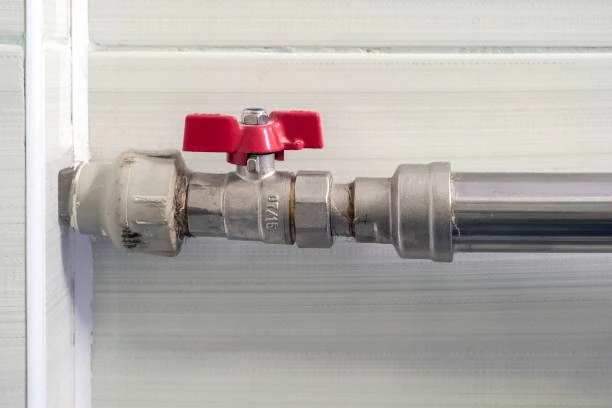
A brass valve is a control device made primarily from brass, a copper-zinc alloy. Manufacturers design these valves to regulate fluid flow within pipelines. Brass provides a perfect balance between strength, corrosion resistance, and machinability.
Key Components of a Brass Valve
- Body – The main structure that houses internal components
- Stem – A shaft that controls the opening and closing mechanism
- Seat – The sealing surface that prevents leakage
- Handle or Actuator – The external mechanism for manual or automatic operation
- Seals – Rubber or plastic rings that enhance leak resistance
The high copper content in brass ensures excellent thermal conductivity and resistance to mineral buildup, which makes it ideal for water systems.
Oxidation Resistance: Why It Matters
The Threat of Oxidation
Oxidation is a chemical reaction between metal and oxygen, often accelerated by moisture. Over time, oxidation can cause rust or tarnish, material degradation, valve jamming, leakage, and reduced flow control efficiency.
How Brass Resists Oxidation
Brass naturally resists oxidation better than iron or steel. The copper in brass forms a thin patina layer that protects the metal beneath. This self-protective characteristic significantly extends the lifespan of brass valves.
Enhanced Protection with Coatings
Modern oxidation-resistant brass valves often feature additional protective coatings. Nickel plating offers a shiny finish and added corrosion protection. Chrome plating provides resistance to moisture and chemicals. Epoxy coatings prevent oxidation in high-salinity or acidic environments. These treatments improve valve performance in harsh conditions.
Durability of Brass Valves
Long-Term Structural Integrity
Brass maintains its structural integrity under stress, pressure, and temperature fluctuations. This makes it suitable for high-pressure water supply systems, heating systems, and chemical transfer applications.
Resistance to Cracking and Erosion
Brass valves resist cracking, even in freezing temperatures or high-vibration environments. They also resist internal erosion caused by fast-moving water, unlike plastic valves.
Mechanical Strength
Compared to plastic or aluminum alternatives, brass provides superior mechanical strength. It holds up under repeated use and remains leak-free for years.
Advantages of Oxidation-Resistant Durable Brass Valves
Longevity
Oxidation resistance extends the lifespan of brass valves. Users can install them and enjoy decades of reliable service with minimal maintenance.
Leak Prevention
High-quality brass valves form tight seals that prevent leaks, even under high pressure or temperature changes.
Corrosion Resistance
Brass withstands corrosive elements such as hard water, saltwater, and mild acids, making it ideal for diverse applications.
Thermal Stability
Brass handles extreme temperatures without warping or losing functionality. This makes it suitable for both cold and hot water lines.
Compatibility
Brass valves integrate seamlessly with copper, PEX, PVC, and other piping materials. Their universal design simplifies installation.
Environmentally Friendly
Brass is a recyclable material. Many manufacturers use recycled brass without compromising valve quality.
Applications of Oxidation-Resistant Brass Valves
Residential Plumbing
Homeowners rely on brass valves in kitchens, bathrooms, and outdoor systems. Ball valves and gate valves control water supply efficiently and reliably.
HVAC Systems
Brass valves regulate water and refrigerant flow in heating and cooling systems. Their thermal resistance ensures dependable performance.
Irrigation Systems
Farmers and landscapers use brass valves in drip and sprinkler systems. Their resistance to dirt, minerals, and moisture ensures low-maintenance operation.
Industrial Use
Factories employ brass valves for handling water, chemicals, and gases. These valves endure pressure, vibration, and temperature extremes.
Marine and Coastal Applications
Saltwater accelerates corrosion in most metals. Oxidation-resistant brass valves withstand these conditions, making them ideal for boats and offshore facilities.
Types of Brass Valves
Ball Valves
Ball valves use a rotating ball to start or stop fluid flow. They offer quick shutoff and minimal pressure drop.
Gate Valves
Gate valves lift a barrier to allow full flow. They suit systems that need infrequent shutoff but full passage.
Globe Valves
Globe valves regulate flow precisely. They suit applications that require throttling, like heating systems.
Check Valves
Check valves allow flow in one direction only. They prevent backflow and contamination.
Angle Valves
Angle valves turn water 90 degrees, commonly used in sinks and toilets.
Each valve type has unique advantages. Choosing the right one depends on system requirements.
Installation Tips
Use Proper Tools
Avoid overtightening, which can damage threads. Use adjustable wrenches and pipe tape for a secure connection.
Flush the Line
Remove debris from pipes before installation to prevent valve blockage or damage.
Match Pipe Size
Ensure the valve matches the pipe’s diameter for proper flow and pressure balance.
Use Compatible Materials
Brass valves work best with copper, PEX, and CPVC. Always confirm compatibility before installation.
Maintenance Guidelines
Regular Inspection
Check for leaks, corrosion, or loose fittings. Early detection prevents major damage or replacement costs.
Exercise the Valve
Turn the handle occasionally to prevent seizing, especially in rarely used lines.
Clean External Surfaces
Wipe off dirt and moisture to preserve the valve’s appearance and prevent external oxidation.
Replace Worn Parts
O-rings and seals can wear out over time. Replace them to maintain sealing integrity.
SEO Optimization: Why This Article Matters
This article includes essential keywords such as brass valve, oxidation-resistant valve, durable valve, corrosion-resistant brass, and long-lasting plumbing valve. These keywords improve online visibility and attract users seeking quality plumbing products. By offering detailed, informative content, this page increases engagement and builds trust with readers.
Conclusion
Oxidation-resistant and durable brass valves provide long-term value across numerous plumbing and industrial systems. Their resistance to corrosion, superior strength, and ease of installation make them a preferred choice among professionals.
By choosing high-quality brass valves, users ensure reliable performance, reduced maintenance, and peace of mind. Whether you’re upgrading a residential water line or managing an industrial facility, brass valves deliver durability you can trust.
Conclusion
Blue HDPE fittings offer a comprehensive set of advantages that enhance system performance, reduce costs, and support long-term sustainability. From durability and corrosion resistance to easy installation and environmental friendliness, these fittings meet the needs of modern infrastructure with precision and reliability.
Their applicability across sectors—from residential to industrial—demonstrates their unmatched versatility. As infrastructure demands grow and evolve, blue HDPE fittings will continue to play a vital role in building safer, more efficient, and more sustainable piping systems around the world.
IFAN international standard
IFAN’s HDPE compression fittings and pipes comply with a wide range of international standards, ensuring high performance and global compatibility. These include ASTM D3035 and ASTM D3350 from the United States, ISO 4427 series and EN 12201 series from Europe, DIN 8074/8075 from Germany, GB/T 13663 series from China, AS/NZS 4130 from Australia and New Zealand, JIS K6760 from Japan, BS 6572 from the United Kingdom, and CSA B137.1 from Canada. Adherence to these standards guarantees excellent mechanical properties, chemical resistance, and long-term durability across diverse water supply and industrial applications.
Contact
IFAN is a professional manufacturer with of experience, dedicated to producing high-quality plastic pipes, fittings, and valves. Our products include brass valves, PPR valves, as well as various pipes and fittings to meet different customer needs. Whether you need plumbing and drainage pipes or valve products, IFAN can provide a diverse range of high-quality, cost-effective products to support your projects. Below is our contact information.
We will reply your email or fax within 24 hours.
You can call us at any time if there is any question on our production.
For more information,pls visit our webside https://www.ifanplus.com/
Pls Mailto: [email protected]
Whatsapp: + 86 19857948982























