


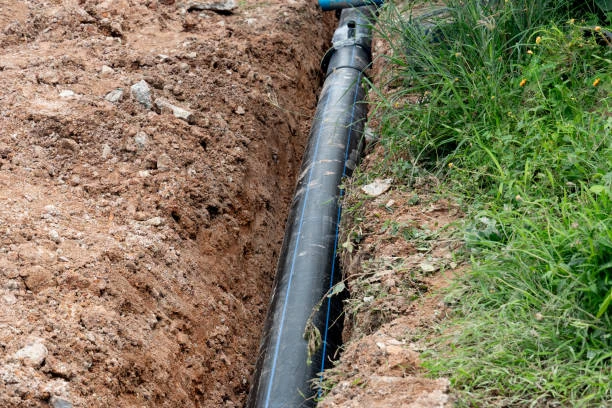
Polyethylene (PE) plumbing systems have gained popularity due to their flexibility, durability, and resistance to a wide range of external factors. However, like any material, polyethylene is not immune to the effects of oxidation. Oxidation refers to the chemical reaction that occurs when a material interacts with oxygen, resulting in a change in its structure and properties. In polyethylene plumbing systems, oxidation can significantly impact their performance and lifespan. This article explores the causes of oxidation in polyethylene plumbing, its effects, and the methods used to prevent and mitigate this issue.
Introduction to Polyethylene Plumbing
Polyethylene is a synthetic polymer made from petroleum. It has been widely used in various applications, including water supply, sewer systems, and gas distribution. There are different types of polyethylene used in plumbing systems, but high-density polyethylene (HDPE) and cross-linked polyethylene (PEX) are the most commonly used types for plumbing applications.
Polyethylene is known for its flexibility, chemical resistance, and low cost. These properties make it an ideal choice for plumbing systems, where materials must endure harsh environments and constant stress. However, despite its numerous benefits, polyethylene is not immune to degradation, particularly due to oxidation.
What is Oxidation?
Oxidation is a chemical process where a material reacts with oxygen, leading to changes in its molecular structure. For polyethylene, oxidation can occur when the material is exposed to air, heat, or UV radiation. The oxygen molecules react with the carbon atoms in the polyethylene chain, breaking down the polymer structure and weakening its physical properties.
In polyethylene plumbing systems, oxidation can lead to several issues, including brittleness, cracking, reduced strength, and lower flexibility. These changes can significantly reduce the material’s performance and lifespan.
Causes of Oxidation in Polyethylene Plumbing
1. Exposure to Oxygen
The primary cause of oxidation in polyethylene plumbing is its exposure to oxygen. Oxygen is present in the air, and when polyethylene pipes are exposed to air over time, the oxygen molecules interact with the polymer structure. This reaction leads to the formation of peroxide groups, which can further break down the polyethylene molecules.
The oxidation process accelerates in environments with high oxygen content or poor ventilation. For example, underground plumbing systems can experience slower oxidation because they are shielded from direct exposure to air. However, above-ground installations, where pipes are exposed to air and sunlight, are more susceptible to oxidation.
2. Heat Exposure
Heat is another factor that accelerates the oxidation of polyethylene. When polyethylene pipes are exposed to high temperatures, the polymer chains become more reactive, making them more susceptible to oxidation. The molecular structure of polyethylene weakens at elevated temperatures, and oxidation occurs more rapidly.
Hot water pipes, for example, experience higher oxidation rates because of the constant exposure to high temperatures. The degradation of polyethylene can lead to a reduction in strength and flexibility, which may result in pipe failure or leaks.
3. UV Radiation
UV radiation from the sun can also contribute to the oxidation of polyethylene plumbing systems. When polyethylene pipes are exposed to UV radiation, the energy from the UV rays breaks the chemical bonds in the polyethylene, causing the material to degrade. The longer the exposure to UV radiation, the more pronounced the oxidation process becomes.
In regions with high levels of sunlight, polyethylene pipes installed above ground are at a higher risk of oxidation. This can lead to cracking, brittleness, and decreased flexibility of the pipes over time. To mitigate this, polyethylene pipes are often coated with protective layers or additives that prevent UV degradation.
4. Chemical Exposure
Polyethylene plumbing systems may also undergo oxidation due to exposure to chemicals in the environment or water supply. Chlorine, chloramine, and other chemical compounds commonly found in water treatment systems can react with polyethylene pipes, leading to oxidation. Over time, the chemicals degrade the polymer chains, causing the material to lose its strength and flexibility.
In industrial applications, polyethylene pipes are also exposed to harsh chemicals that can accelerate the oxidation process. For instance, oil and gas pipelines that carry corrosive materials may experience faster degradation due to the continuous exposure to chemically reactive substances.
Effects of Oxidation on Polyethylene Plumbing
1. Brittleness and Cracking
One of the most noticeable effects of oxidation on polyethylene plumbing is brittleness. As the polymer chains break down due to oxidation, the material becomes more rigid and less flexible. This increase in brittleness makes the polyethylene prone to cracking, especially when exposed to stress or pressure.
In plumbing systems, cracking can occur at points where the pipe is subjected to external forces, such as at joints, fittings, or bends. Over time, cracks can expand, leading to leaks or complete pipe failure.
2. Reduced Strength
Oxidation weakens the mechanical properties of polyethylene. As the polymer chains break apart, the material loses its ability to handle external loads and pressures. The tensile strength of the polyethylene decreases, making it less capable of withstanding the internal pressure from water or gas. This reduced strength can result in pipe rupture or leaks, especially in high-pressure systems.
The loss of strength also affects the ability of polyethylene to maintain its shape and size. Over time, the material can deform or collapse, further compromising the plumbing system’s integrity.
3. Decreased Flexibility
Polyethylene’s flexibility is one of its most important properties, especially for plumbing applications that require bending or adjustments. However, as oxidation progresses, the material becomes less flexible. This decrease in flexibility can cause problems in installations where pipes need to bend or curve to fit into certain spaces.
Decreased flexibility also makes polyethylene more prone to cracking or breaking under stress. For instance, if the pipe is exposed to high levels of pressure or if the surrounding environment shifts, the pipe may fail due to its loss of flexibility.
4. Discoloration
Oxidation in polyethylene plumbing can cause discoloration of the material. The pipes may turn yellow, brown, or even black as the polymer structure breaks down. While discoloration does not necessarily affect the performance of the pipe, it is a visible indication of oxidation. In some cases, discoloration may also signal a reduction in the material’s strength and integrity.
Preventing and Mitigating Oxidation in Polyethylene Plumbing
1. Using Stabilizers and Antioxidants
To prevent oxidation, manufacturers often add antioxidants and stabilizers to polyethylene during production. These additives help protect the polymer chains from reacting with oxygen, slowing down the oxidation process. By including antioxidants, polyethylene plumbing systems can maintain their strength and flexibility for a longer time.
Some additives also protect against UV radiation, preventing the material from degrading when exposed to sunlight. These stabilizers are particularly useful for above-ground installations that are exposed to harsh environmental conditions.
2. Coating Pipes for UV Protection
Polyethylene pipes can be coated with UV-resistant materials to protect them from the harmful effects of sunlight. These coatings act as a barrier between the polyethylene and UV radiation, preventing the material from breaking down. This is especially important for outdoor installations where pipes are exposed to direct sunlight.
Coating materials often contain carbon black, which absorbs UV radiation and prevents it from penetrating the polyethylene surface. This helps to maintain the integrity of the pipe over time.
3. Proper Installation and Maintenance
Proper installation and maintenance of polyethylene plumbing systems can also help minimize the effects of oxidation. For instance, ensuring that pipes are shielded from direct sunlight can reduce the risk of UV degradation. When installing polyethylene pipes above ground, using protective sleeves or casings can provide additional protection against environmental factors.
Regular inspections can help identify early signs of oxidation, such as discoloration or cracking. Addressing these issues before they become more serious can prevent costly repairs or replacements.
4. Use of Alternative Materials
In some cases, using alternative materials for specific plumbing applications may be beneficial. For example, cross-linked polyethylene (PEX) offers increased resistance to oxidation compared to standard HDPE polyethylene. PEX pipes are more resilient to chemical exposure and high temperatures, making them suitable for hot water applications where oxidation is a concern.
Conclusion
Oxidation remains a significant concern for polyethylene plumbing systems, particularly in environments exposed to oxygen, heat, and UV radiation. The process of oxidation can lead to brittleness, cracking, reduced strength, and decreased flexibility, ultimately compromising the integrity and lifespan of the plumbing system.
However, by using antioxidants, UV coatings, and proper installation techniques, it is possible to reduce the effects of oxidation and extend the lifespan of polyethylene pipes. With the right precautions and maintenance practices, polyethylene plumbing systems can continue to provide reliable and durable performance in both residential and industrial applications.
IFAN international standard
IFAN’s HDPE products comply with various international standards, ensuring quality, durability, and reliability. These standards include ASTM D3035 and ASTM D3350, which define specifications for polyethylene (PE) pipes and materials. The ISO 4427 and EN 12201 series set global benchmarks for PE pipes used in water supply systems. Additionally, DIN 8074/8075 and GB/T 13663 establish performance and dimension requirements for HDPE pipes in European and Chinese markets. Other recognized standards, such as AS/NZS 4130 (Australia/New Zealand), JIS K6760 (Japan), BS 6572 (UK), and CSA B137.1 (Canada), further demonstrate IFAN’s commitment to meeting industry regulations worldwide.
Contact
IFAN is a professional manufacturer with of experience, dedicated to producing high-quality plastic pipes, fittings, and valves. Our products include brass valves, PPR valves, as well as various pipes and fittings to meet different customer needs. Whether you need plumbing and drainage pipes or valve products, IFAN can provide a diverse range of high-quality, cost-effective products to support your projects. Below is our contact information.
We will reply your email or fax within 24 hours.
You can call us at any time if there is any question on our production.
For more information,pls visit our webside https://www.ifanplus.com/
Pls Mailto: [email protected]
Whatsapp: + 86 19857948982























