


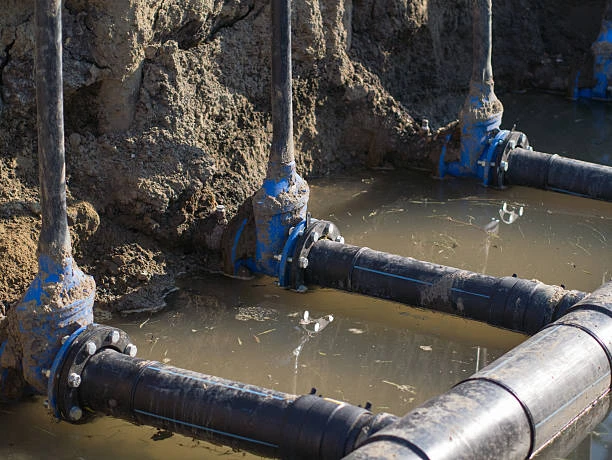
Efficient water management remains critical in agriculture. HDPE dripping irrigation offers significant water savings. However, understanding its operating costs is essential for farmers. This article explores the various factors influencing the running costs of HDPE dripping irrigation systems. It also discusses ways to optimize expenses for better farm profitability.
What Is HDPE Dripping Irrigation?
HDPE stands for High-Density Polyethylene. It is a durable plastic used for drip irrigation pipes. The system delivers water slowly through emitters placed near plant roots. This minimizes water waste and evaporation losses. Farmers benefit from precise water delivery and reduced labor.
Initial Investment vs. Operating Costs
Farmers often focus on the initial cost of drip irrigation equipment. However, operating costs affect long-term affordability. These costs include water, energy, maintenance, and labor. Understanding these helps farmers plan budgets and increase return on investment.
Water Costs
Water is the primary input in irrigation. HDPE dripping irrigation reduces water consumption significantly. Precise water delivery lowers the total volume needed. Consequently, farmers pay less for water compared to flood or sprinkler irrigation.
Furthermore, in regions with expensive water or strict water quotas, drip systems help control bills. Reducing water use also preserves local resources, supporting sustainable farming.
Energy Costs
Energy powers pumps that supply water pressure to drip lines. The energy consumption depends on the pumping system efficiency and pressure requirements. HDPE drip systems typically require low pressure, saving energy.
In addition, farmers can optimize energy use by scheduling irrigation during off-peak hours. Using solar-powered pumps further cuts electricity costs, especially in remote areas.
Maintenance Costs
Maintenance keeps the system working efficiently and extends lifespan. HDPE pipes resist UV rays and chemicals, reducing damage. However, farmers must clean filters and flush lines regularly.
Emitters may clog due to sediment or algae. Cleaning or replacing them incurs minor costs. Preventive maintenance avoids expensive repairs or crop damage.
Labor Costs
Labor costs vary depending on farm size and automation level. HDPE dripping irrigation reduces manual watering, lowering labor needs. Yet, workers still manage irrigation scheduling and system upkeep.
Automated controllers and sensors further reduce labor requirements. Investing in technology balances upfront costs with long-term savings.
Repair and Replacement Costs
Occasional repairs arise from leaks, rodent damage, or wear. HDPE pipes are flexible and durable, reducing breakage risks. When repairs are necessary, farmers can replace small sections without major work.
Emitters have a finite lifespan and need periodic replacement. Bulk purchasing lowers these costs.
Fertilizer Costs and Efficiency
HDPE drip irrigation supports fertigation, injecting fertilizers into irrigation water. This improves nutrient use efficiency, reducing fertilizer waste. Farmers save money by applying fertilizers precisely and avoiding overuse.
Better nutrient delivery promotes healthier crops and higher yields, adding economic value.
System Design Impact on Operating Costs
System design affects water distribution uniformity and pressure management. Well-designed systems minimize energy and water waste. Using appropriate pipe diameters and emitter spacing optimizes flow.
Poor designs increase maintenance and repair costs. Consulting experts ensures a cost-effective layout.
Automation and Technology Influence
Automation reduces human errors and improves irrigation timing. Smart sensors monitor soil moisture, adjusting irrigation automatically. This prevents overwatering or underwatering, saving water and energy.
Although automation adds to upfront costs, it lowers operating expenses by reducing labor and resource waste.
Seasonal Variations in Costs
Operating costs fluctuate with seasonal water demand. During dry seasons, more irrigation means higher water and energy costs. In wet seasons, costs drop as irrigation frequency decreases.
Farmers should adjust irrigation schedules seasonally to control expenses.
Water Source Quality and Treatment Costs
Water quality affects maintenance needs. Hard water or contaminated sources clog emitters faster. Farmers may need filtration or chemical treatments, adding to costs.
Regular water testing helps manage treatment schedules and avoid excessive expenses.
Longevity and Cost Amortization
HDPE systems last many years, spreading investment and operating costs over time. Longer lifespan reduces average annual expenses compared to short-lived systems.
Proper maintenance extends system life, improving cost-effectiveness.
Environmental and Regulatory Costs
Some regions impose fees or restrictions on water use. Efficient HDPE drip irrigation helps farmers comply with regulations and avoid penalties.
Environmental benefits, like reduced runoff and soil erosion, may also qualify farmers for subsidies or incentives.
Cost Comparison with Other Irrigation Methods
Compared to flood or sprinkler irrigation, HDPE dripping irrigation lowers water and energy costs. Labor costs drop as irrigation becomes less manual.
Although initial costs are higher, operating savings lead to better economic returns over time.
Crop Type and Density Effects
Different crops require varying water amounts and irrigation schedules. High-density crops may need more emitters, increasing costs.
Farmers should match irrigation design to crop needs for efficient resource use.
Soil Type Influence on Operating Costs
Sandy soils drain quickly, needing more frequent irrigation and higher water use. Clay soils retain water longer but may cause emitter clogging.
Adjusting emitter flow rates and cleaning frequency manages costs effectively.
Training and Knowledge Costs
Proper operation requires training for farmers and workers. Understanding system functions and maintenance reduces errors and expenses.
Investing in education improves system efficiency and lowers long-term costs.
Energy-Efficient Pumping Solutions
Using variable speed pumps reduces energy consumption by matching flow to demand. This technology lowers electricity bills significantly.
Regular pump maintenance ensures optimal performance and cost savings.
Impact of Climate on Operating Costs
Hot, dry climates increase irrigation needs and energy costs. Cool, humid regions require less water and energy.
Farmers in harsh climates must budget accordingly for higher operating expenses.
Irrigation Scheduling and Water Management
Efficient scheduling minimizes unnecessary water use. Using weather forecasts and soil moisture sensors improves timing.
Better scheduling cuts water and energy bills while maintaining crop health.
Maintenance Best Practices to Reduce Costs
Regular inspection of pipes and emitters prevents major issues. Flushing lines and cleaning filters avoid clogging.
Timely repairs reduce downtime and crop loss.
Integration with Other Farm Systems
HDPE dripping irrigation works well with other technologies, like fertigation and smart farming tools. Integration improves resource use efficiency, lowering overall costs.
Coordinated management increases farm profitability.
Economic Benefits Over Time
Although upfront investment is significant, operating cost savings accumulate. Farmers benefit from reduced water, energy, labor, and fertilizer expenses.
Higher crop yields and quality further increase economic returns.
Financing and Incentives
Some governments offer financial support or subsidies for efficient irrigation systems. These reduce initial and operating costs.
Farmers should explore available programs to improve affordability.
Challenges in Cost Management
Unexpected repairs and water price fluctuations affect budgets. Planning and flexible management help mitigate risks.
Diversifying crops and irrigation schedules reduces financial vulnerability.
Future Trends Impacting Operating Costs
Advancements in materials, automation, and sensors promise further cost reductions. Renewable energy use lowers energy bills.
Farmers adopting new technology stay competitive and reduce expenses.
Conclusion
HDPE dripping irrigation offers many advantages with manageable operating costs. Water and energy savings make it cost-effective long term. Maintenance and labor expenses remain low with proper management.
Investing in good system design and training ensures optimal performance. Automation and smart technology further reduce costs. Farmers benefit from higher crop yields and sustainable water use.
Understanding and controlling operating costs helps farmers maximize returns. HDPE drip irrigation supports efficient, profitable, and sustainable agriculture.
IFAN international standard
IFAN’s poly pipe products comply with a wide range of international standards to ensure quality, safety, and compatibility across global markets. These include ASTM D3035, ASTM D3350, the ISO 4427 series, EN 12201 series, DIN 8074/8075, GB/T 13663 series, AS/NZS 4130, JIS K6760, BS 6572, and CSA B137.1, among others. This comprehensive compliance reflects IFAN’s commitment to delivering reliable piping solutions that meet the diverse technical requirements of water supply, gas distribution, and industrial applications worldwide.
Contact
IFAN is a professional manufacturer with of experience, dedicated to producing high-quality plastic pipes, fittings, and valves. Our products include brass valves, PPR valves, as well as various pipes and fittings to meet different customer needs. Whether you need plumbing and drainage pipes or valve products, IFAN can provide a diverse range of high-quality, cost-effective products to support your projects. Below is our contact information.
We will reply your email or fax within 24 hours.
You can call us at any time if there is any question on our production.
For more information,pls visit our webside https://www.ifanplus.com/
Pls Mailto: [email protected]
Whatsapp: + 86 19857948982























