


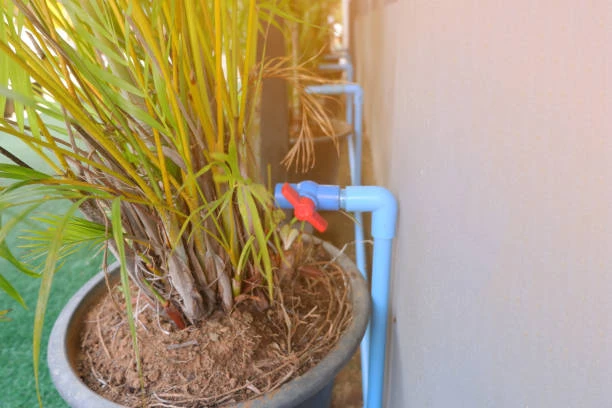
In today’s increasingly health-conscious and safety-focused world, the materials used in plumbing and fluid-handling systems must meet high standards. Among these materials, PVC plastic ball valves have gained prominence due to their excellent durability, chemical resistance, affordability, and ease of installation. However, beyond these features lies a critical and often overlooked advantage: their non-toxic nature.
The non-toxic properties of PVC (polyvinyl chloride) plastic ball valves are essential in applications where human health, environmental safety, and regulatory compliance are top priorities. These valves play a vital role in sectors such as potable water supply, food processing, pharmaceuticals, and agriculture. Therefore, understanding why PVC ball valves are considered non-toxic, how they are manufactured, and in which contexts they can be safely used is of utmost importance.
What Does Non-Toxic Mean in Plumbing Materials?
To begin, it is essential to define what “non-toxic” means when referring to plumbing components. A non-toxic valve does not leach harmful substances into the fluid it transports. Furthermore, it must not release volatile organic compounds (VOCs) or degrade in a manner that produces hazardous residues. This is particularly significant in systems carrying drinking water or other consumable products.
A non-toxic PVC ball valve, therefore, is one that has been engineered and tested to ensure that it poses no health risks to humans or animals. This includes not releasing chlorine gas, lead, phthalates, bisphenol A (BPA), or other substances that may cause harm over time.
Composition of Non-Toxic PVC Plastic
PVC, by its base composition, is a stable plastic polymer made primarily of vinyl chloride monomers and chlorine atoms. To ensure non-toxicity, manufacturers must take several additional steps. First, the raw material must be free of harmful plasticizers or stabilizers, such as lead or cadmium-based additives. Instead, safe alternatives like calcium-zinc stabilizers are used.
Moreover, food-grade or potable-grade PVC is manufactured under stricter standards. It undergoes purification, batch testing, and often third-party certification to guarantee that it meets health and safety standards set by organizations such as the NSF (National Sanitation Foundation), FDA (Food and Drug Administration), or equivalent regulatory agencies in various countries.
Manufacturing Standards and Certifications
When it comes to validating the non-toxic properties of PVC plastic ball valves, manufacturing standards play a central role. Globally recognized certifications include:
- NSF/ANSI 61: Ensures that the valve components do not leach harmful substances into drinking water.
- FDA compliance: Certifies that the PVC is safe for use in food contact applications.
- RoHS (Restriction of Hazardous Substances): Confirms the absence of heavy metals and other dangerous chemicals.
- ISO 9001 and ISO 14001: Guarantee quality management and environmental compliance during production.
By meeting these standards, manufacturers demonstrate a commitment to delivering non-toxic, high-performance valves for various industries.
Applications Where Non-Toxicity Is Crucial
The non-toxic nature of PVC plastic ball valves is particularly valuable in sectors where fluid purity directly impacts health or product quality. Let’s explore some of the most common applications:
1. Potable Water Systems
In domestic and commercial buildings, clean water delivery systems must ensure that valves do not contaminate the water. PVC ball valves made from potable-grade materials are ideal for this purpose. They are chemically stable and do not degrade or corrode, even after years of exposure to flowing water.
2. Food and Beverage Industry
In food processing plants, beverage bottling lines, and dairies, the materials used must not alter the taste, color, or safety of the product. Non-toxic PVC valves are easy to clean, resistant to bacterial buildup, and free from harmful residues, making them suitable for fluid handling in these environments.
3. Agricultural Irrigation
Many crops are irrigated with nutrient-rich or chemically treated water. Non-toxic valves ensure that no harmful substances reach the soil or plants, thereby protecting both the agricultural yield and consumer health.
4. Pharmaceutical and Laboratory Applications
Precision and purity are essential in laboratories and pharmaceutical manufacturing. PVC ball valves are often selected for chemical distribution systems due to their inert and non-reactive nature, which helps preserve the integrity of sensitive compounds.
5. Aquatic and Zoological Systems
In aquariums and animal habitats, maintaining a non-toxic environment is critical for animal welfare. PVC plastic ball valves ensure that aquatic life is not exposed to dangerous compounds, supporting a safe and sustainable ecosystem.
Chemical Inertness and Safety
Another advantage of PVC ball valves is their chemical inertness. Once cured and installed, PVC does not react with most acids, bases, or salts. As a result, even when exposed to mildly aggressive environments, these valves maintain their non-toxic properties.
Furthermore, unlike some metals that may corrode or oxidize over time, PVC remains chemically stable. This means there is no release of oxides, rust, or metal ions that could pose a risk to health.
Avoiding Toxic Contaminants
For a PVC valve to remain non-toxic throughout its service life, certain precautions must be observed:
- Proper sourcing: Choose valves from reputable manufacturers who publish compliance documents.
- Controlled installation: Avoid using PVC cement or glues that contain harmful solvents not approved for potable systems.
- Avoid high-temperature exposure: Excessive heat can cause PVC to degrade and potentially release harmful compounds.
- Prevent UV degradation: Use UV-resistant formulations or protective covers to minimize the risk of material breakdown due to sunlight.
When these precautions are followed, PVC ball valves will retain their non-toxic properties even under long-term usage.
Comparison with Other Valve Materials
To better understand the unique non-toxic benefits of PVC, it is helpful to compare it with other commonly used valve materials:
Brass
While brass is durable and often used in plumbing, some brass alloys contain lead. Even small amounts of lead leaching can render a valve unsafe for drinking water or food applications.
Stainless Steel
Stainless steel is generally safe and inert, but it is much more expensive than PVC. Additionally, certain grades may contain trace amounts of nickel or chromium, which can be problematic for sensitive applications.
CPVC
Chlorinated PVC shares many non-toxic qualities with standard PVC but offers better heat resistance. It is ideal for hot water systems but slightly more costly.
Polypropylene (PP)
PP valves are also non-toxic and used in many food and beverage applications. However, they are less rigid than PVC and may not perform as well under pressure.
Ultimately, PVC offers a strong balance between non-toxicity, affordability, chemical resistance, and mechanical strength.
Long-Term Health and Environmental Considerations
A key concern for consumers and regulatory agencies is the long-term environmental and health impact of plastics. Fortunately, non-toxic PVC products meet the strictest environmental standards. PVC valves are inert, long-lasting, and recyclable. They do not emit harmful gases under normal operating conditions and are considered safe for long-term use in both homes and industries.
Moreover, because of their longevity and low maintenance needs, PVC valves reduce the frequency of replacements. This decreases waste generation and supports a more sustainable product lifecycle.
Safe Disposal and Recycling
Although PVC is non-toxic in use, its disposal must still be handled responsibly. Many PVC components, including valves, can be recycled. Specialized recycling processes can separate the different types of plastic and reuse the material for manufacturing new non-potable-grade items.
Users are encouraged to consult local recycling regulations and facilities to ensure proper end-of-life handling.
Tips for Ensuring Non-Toxic Performance
To maximize the health and safety benefits of non-toxic PVC ball valves, consider the following practical tips:
- Choose valves labeled for potable use: Look for NSF 61 or similar certifications on packaging.
- Avoid reusing old or degraded valves: Aging plastic can lose integrity and begin to leach.
- Use compatible joining materials: Only use adhesives and sealants rated for drinking water or food applications.
- Monitor for signs of degradation: Discoloration, cracking, or leaks may indicate that the valve should be replaced.
- Maintain appropriate pressure and temperature levels: Do not exceed manufacturer specifications, as extreme conditions can degrade the plastic.
Technological Improvements in Non-Toxic PVC Valves
Modern manufacturing methods have led to improved versions of traditional PVC valves. Some notable innovations include:
- Low-leaching formulations: New polymer blends minimize potential migration of plasticizers.
- UV-stabilized materials: These maintain structural integrity and non-toxic properties even when exposed to sunlight.
- Antimicrobial coatings: Help prevent bacterial growth inside the valve, making them safer for medical and food-grade uses.
- Leak-proof sealing technologies: Reduce contamination risk from external environmental factors.
These advancements ensure that non-toxic PVC valves continue to meet the evolving needs of public health and environmental safety.
Conclusion
The non-toxic nature of PVC plastic ball valves is a key feature that supports their widespread use in safe, clean, and environmentally friendly fluid control systems. From drinking water pipelines to food processing and agricultural irrigation, these valves provide reliable performance without posing health hazards.
By selecting certified products, following installation best practices, and staying aware of system conditions, users can ensure long-term, safe operation. With continued technological development and strict regulatory compliance, PVC ball valves will remain a trusted solution in applications where non-toxicity is essential.
As industries and consumers alike prioritize health, safety, and sustainability, the role of non-toxic materials like PVC becomes ever more crucial. Their affordability, versatility, and proven track record make PVC plastic ball valves not only practical but also responsible choices for the future.
IFAN international standard
IFAN products comply with a wide range of international standards, ensuring quality and reliability across different markets. These standards include ASTM D2846, DIN 8079/8080, ASTM F441/F441M SCH80, various DIN specifications, the GB/T 18993 Series standards, AS/NZS 1477, CSA B137.6, NSF/ANSI 14, and TIS 17-2532/1131-2535. This broad compliance demonstrates IFAN’s commitment to meeting global requirements and delivering products that meet the strictest performance and safety criteria.
Contact
IFAN is a professional manufacturer with of experience, dedicated to producing high-quality plastic pipes, fittings, and valves. Our products include brass valves, PPR valves, as well as various pipes and fittings to meet different customer needs. Whether you need plumbing and drainage pipes or valve products, IFAN can provide a diverse range of high-quality, cost-effective products to support your projects. Below is our contact information.
We will reply your email or fax within 24 hours.
You can call us at any time if there is any question on our production.
For more information,pls visit our webside https://www.ifanplus.com/
Pls Mailto: [email protected]
Whatsapp: + 86 19857948982























