


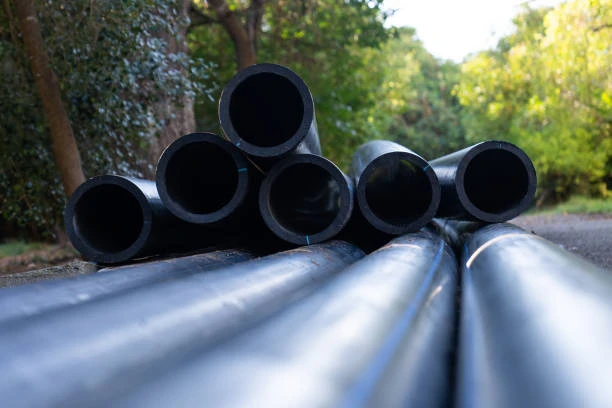
HDPE (High-Density Polyethylene) pipes are known for their excellent mechanical strength. This strength ensures they perform well in water systems. Mechanical strength involves several key factors like tensile strength, impact resistance, burst strength, and flexibility. These factors determine the ability of HDPE pipes to withstand stress, pressure, and environmental conditions.
Tensile Strength of HDPE Water Pipes
Tensile strength refers to the maximum force a material can withstand when stretched. HDPE pipes exhibit high tensile strength, making them ideal for water distribution. HDPE pipes generally have a tensile strength ranging from 25 MPa to 40 MPa. This allows them to endure stretching without cracking. HDPE pipes can handle pressure changes without failure. The high tensile strength prevents damage during installation and operation. It also ensures the pipes remain intact over time.
Impact Resistance of HDPE Water Pipes
Impact resistance is the ability of a material to resist sudden forces. HDPE pipes are highly impact-resistant, ensuring they won’t crack easily under stress. This property allows them to withstand drops, shocks, and external pressure. HDPE pipes can absorb energy from sudden impacts without breaking. This toughness is due to the long polymer chains within HDPE. These polymer chains give HDPE pipes excellent flexibility and strength. This feature makes HDPE pipes reliable in high-stress environments.
Burst Strength of HDPE Water Pipes
Burst strength measures how much internal pressure a pipe can withstand before rupturing. HDPE pipes have excellent burst strength, typically ranging from 10 to 20 MPa. This strength prevents the pipes from bursting under high-pressure conditions. HDPE pipes are resistant to pressure surges, maintaining their integrity during operation. The pipe material is designed to handle sudden increases in water pressure. The molecular structure of HDPE helps distribute stress evenly. This increases the pipe’s resistance to pressure fluctuations.
Flexibility of HDPE Water Pipes
Flexibility is another critical factor in the mechanical strength of HDPE pipes. HDPE pipes can bend without cracking, which prevents breakage in challenging environments. The flexibility allows HDPE pipes to adjust to soil movement and temperature changes. In areas with ground shifts or seismic activity, flexible HDPE pipes perform better than rigid pipes. This feature also makes HDPE easier to install since fewer joints are required. Flexible pipes can be bent around obstacles without the need for additional fittings. Their flexibility makes HDPE pipes more adaptable to various installation conditions.
Pipe Dimensions and Material Grades
The mechanical strength of HDPE pipes depends on the pipe’s size and material grade. Thicker pipes can withstand higher internal pressures. The wall thickness of the pipe plays a critical role in its overall strength. HDPE material grades also influence the mechanical properties of the pipes. Higher-grade HDPE resins offer superior tensile strength, impact resistance, and burst strength. These grades are suitable for larger pipes or higher-stress applications. The grade of HDPE used determines the long-term durability and performance of the pipes.
Environmental Stress Resistance
HDPE pipes resist environmental stresses like temperature fluctuations, soil movement, and chemical exposure. These stresses can weaken other types of pipes but do not affect HDPE as much. HDPE pipes perform well in extreme temperatures, from freezing to high heat. Unlike metal pipes, HDPE does not become brittle in cold conditions. HDPE also resists chemical degradation, making it ideal for water systems in diverse environments. These pipes can adapt to shifting soil without cracking or breaking. HDPE pipes continue to perform reliably in challenging environmental conditions.
Temperature Resistance of HDPE Pipes
HDPE pipes maintain their mechanical strength across a wide temperature range. They perform well in both high and low temperatures. HDPE does not become brittle in freezing conditions, unlike some other materials. High temperatures do not weaken the pipe’s strength. This property makes HDPE suitable for both cold and hot water applications. HDPE pipes can be used in regions with extreme temperatures without compromising their strength. Their ability to resist temperature fluctuations contributes to their long lifespan.
Resistance to Soil Movement and External Loads
HDPE pipes handle external stresses like soil movement and heavy loads effectively. Their flexibility allows them to absorb movement in the surrounding ground. In areas with shifting soil, HDPE pipes are less likely to crack or leak. External loads from traffic or machinery are absorbed without causing damage. Unlike rigid pipes, HDPE can bend and adjust to changes in the ground. This makes HDPE pipes ideal for installations in areas prone to soil movement or heavy external loads. The resilience of HDPE pipes ensures their durability in various conditions.
Benefits of HDPE’s Mechanical Strength
The mechanical strength of HDPE pipes provides numerous benefits for water infrastructure. HDPE pipes have a long lifespan, often exceeding with proper maintenance. They require less maintenance than other materials, reducing long-term operational costs. Their durability and strength prevent frequent repairs or replacements. HDPE pipes also offer excellent resistance to leaks and cracks, ensuring continuous water flow. The cost-effectiveness of HDPE pipes makes them a popular choice for municipal water systems. These benefits make HDPE pipes a reliable option for water distribution projects.
Durability of HDPE Water Pipes
HDPE pipes offer excellent durability, even under harsh conditions. The combination of high tensile strength, impact resistance, and flexibility ensures long-term performance. HDPE pipes resist damage from internal pressure, external forces, and environmental stresses. Their durability reduces the frequency of pipe failures, ensuring uninterrupted water supply. Over time, HDPE pipes maintain their structural integrity, even under challenging operational conditions. This long-term durability makes HDPE a cost-effective solution for water infrastructure. Municipalities and industries benefit from the reduced need for repairs and replacements.
Reduced Maintenance and Lower Operational Costs
The mechanical strength of HDPE water pipes leads to reduced maintenance requirements. Since they are resistant to cracks, leaks, and damage, HDPE pipes need fewer repairs. Fewer repairs and replacements result in significant cost savings over time. HDPE’s ability to withstand various stresses means that maintenance intervals are longer. This reduces the overall operational costs of water systems. The durability of HDPE also contributes to a more reliable water distribution network. With fewer interruptions and maintenance needs, water systems remain efficient and cost-effective.
Cost-Effectiveness of HDPE Pipes
HDPE pipes are a cost-effective choice due to their mechanical strength and durability. Their long lifespan reduces the need for frequent replacements. The flexibility of HDPE pipes also lowers installation costs, as fewer fittings are required. In addition, HDPE pipes are easier to transport and install compared to rigid materials like concrete or metal. The reduced need for maintenance further contributes to their cost-effectiveness. HDPE pipes offer an affordable solution for water infrastructure projects, providing long-term performance at a reasonable cost.
Conclusion
HDPE water pipes offer exceptional mechanical strength, making them ideal for water distribution systems. Their tensile strength, impact resistance, burst strength, and flexibility ensure reliable performance. HDPE pipes can withstand environmental stresses, pressure fluctuations, and external loads. Their durability, flexibility, and resistance to temperature changes make them a preferred choice for water infrastructure. The cost-effectiveness and reduced maintenance requirements further enhance the appeal of HDPE pipes. As a result, HDPE remains one of the most popular materials for water supply systems worldwide.
IFAN international standard
IFAN’s HDPE products comply with various international standards, ensuring quality, durability, and reliability. These standards include ASTM D3035 and ASTM D3350, which define specifications for polyethylene (PE) pipes and materials. The ISO 4427 and EN 12201 series set global benchmarks for PE pipes used in water supply systems. Additionally, DIN 8074/8075 and GB/T 13663 establish performance and dimension requirements for HDPE pipes in European and Chinese markets. Other recognized standards, such as AS/NZS 4130 (Australia/New Zealand), JIS K6760 (Japan), BS 6572 (UK), and CSA B137.1 (Canada), further demonstrate IFAN’s commitment to meeting industry regulations worldwide.
Contact
IFAN is a professional manufacturer with of experience, dedicated to producing high-quality plastic pipes, fittings, and valves. Our products include brass valves, PPR valves, as well as various pipes and fittings to meet different customer needs. Whether you need plumbing and drainage pipes or valve products, IFAN can provide a diverse range of high-quality, cost-effective products to support your projects. Below is our contact information.
We will reply your email or fax within 24 hours.
You can call us at any time if there is any question on our production.
For more information,pls visit our webside https://www.ifanplus.com/
Pls Mailto: [email protected]
Whatsapp: + 86 19857948982























