


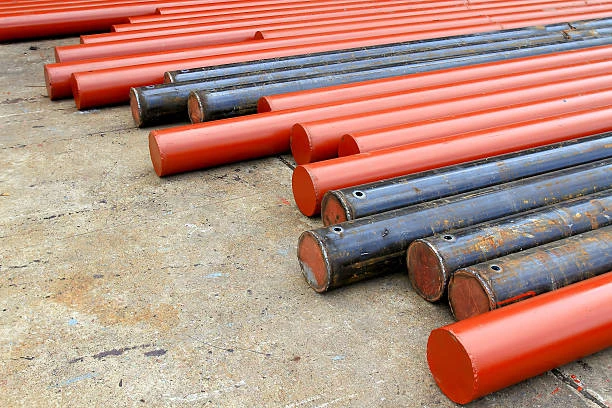
Introduction
PPH (Polypropylene Homopolymer) pipes provide excellent durability, chemical resistance, and high-temperature tolerance, making them ideal for industrial and commercial applications. However, regular maintenance ensures long-term performance, prevents system failures, and reduces repair costs. Proper inspection, cleaning, and preventive measures keep PPH piping systems in optimal condition.
This article discusses essential maintenance practices, including inspection routines, cleaning techniques, troubleshooting methods, and repair strategies.
1. Importance of PPH Pipe Maintenance
1.1 Ensuring Longevity
Regular maintenance extends the service life of PPH pipes by preventing wear and tear. Identifying early signs of damage reduces the risk of costly replacements.
1.2 Maintaining System Efficiency
Well-maintained pipes allow fluids to flow smoothly, minimizing pressure drops and energy consumption. Clogs, leaks, or corrosion weaken performance, making maintenance essential for efficiency.
1.3 Preventing Unexpected Failures
Leaks, cracks, or blockages cause system failures if ignored. Routine inspections and early intervention reduce downtime and repair costs.
2. Routine Inspection of PPH Pipes
2.1 Establishing an Inspection Schedule
Regular inspections help identify issues before they escalate. Depending on usage and environmental conditions, inspections should occur:
- Monthly for high-pressure systems
- Quarterly for standard plumbing networks
- Annually for rarely used pipelines
2.2 Checking for Physical Damage
Examining pipes for cracks, dents, or discoloration prevents leaks and structural failures. High-impact areas and exposed sections require extra attention.
2.3 Monitoring for Leaks
Moisture around joints or fittings signals possible leaks. Using a dry cloth to wipe suspected areas helps confirm leaks.
2.4 Inspecting Pipe Supports
Loose or misaligned supports increase stress on PPH pipes. Adjusting brackets and hangers prevents unnecessary strain.
2.5 Identifying Chemical Degradation
PPH pipes resist most chemicals, but prolonged exposure to aggressive substances may weaken them. Checking for surface changes, brittleness, or discoloration helps detect chemical damage.
3. Cleaning PPH Pipes
3.1 Removing Internal Deposits
Over time, mineral deposits, sediments, and biofilm accumulate inside pipes, reducing flow capacity. Cleaning methods include:
- Flushing with clean water for light buildup
- Using mild cleaning agents for organic residues
- Applying compressed air for dry systems
3.2 Clearing Clogs
Blocked pipes reduce system efficiency and increase pressure. Effective methods for clearing clogs include:
- High-pressure water jetting for stubborn debris
- Drain snakes for localized obstructions
- Chemical cleaners for grease or organic matter
3.3 Preventing Algae and Bacteria Growth
In water systems, stagnant conditions promote algae and bacteria formation. Regular water flow, disinfectants, and UV treatment minimize biological growth.
3.4 Cleaning External Surfaces
Dust, dirt, and industrial residues affect pipe appearance and identification markings. A damp cloth or mild detergent removes surface contaminants.
4. Troubleshooting Common Issues
4.1 Addressing Low Water Pressure
Reduced water pressure often results from clogs, leaks, or valve malfunctions. Checking for partial blockages and ensuring valves remain fully open restores normal pressure.
4.2 Resolving Temperature-Related Expansion Issues
PPH pipes expand and contract with temperature changes. Expansion loops or flexible joints absorb movement, preventing excessive stress.
4.3 Fixing Loose Connections
Vibration, pressure fluctuations, or improper installation cause fittings to loosen. Tightening connections and replacing worn-out seals prevent leaks.
4.4 Preventing Pipe Sagging
Long horizontal pipe runs require proper support. Adding additional brackets or adjusting spacing eliminates sagging issues.
5. Repair and Replacement Strategies
5.1 Sealing Small Leaks
Minor leaks require immediate attention. Effective sealing methods include:
- Pipe repair clamps for temporary fixes
- Epoxy or plastic welding for permanent solutions
5.2 Replacing Damaged Sections
Severe cracks or deformations require section replacements. Proper cutting, welding, and jointing techniques ensure leak-free repairs.
5.3 Addressing Joint Failures
Incorrect welding or excessive stress weakens joints. Re-welding or using electro-fusion fittings restores integrity.
5.4 Reinforcing High-Stress Areas
Elbows, bends, and valve connections experience higher pressure. Adding reinforcement fittings prevents premature wear.
6. Preventive Maintenance Measures
6.1 Protecting Pipes from Mechanical Damage
Heavy machinery, falling objects, or accidental impacts damage exposed pipes. Protective barriers or repositioning reduces risks.
6.2 Managing Thermal Stress
High temperatures affect PPH pipe integrity over time. Insulating exposed pipes and using temperature-resistant fittings prevent heat-related degradation.
6.3 Avoiding Chemical Exposure
Although PPH resists most chemicals, prolonged contact with strong acids or solvents weakens structural integrity. Proper chemical handling and containment reduce risks.
6.4 Maintaining Proper Flow Rates
Abrupt pressure changes stress piping systems. Installing pressure regulators and avoiding sudden valve closures maintains steady flow conditions.
7. Documentation and Record-Keeping
7.1 Logging Inspection and Maintenance Activities
Recording maintenance activities helps track pipe conditions and identify recurring issues. A maintenance log includes:
- Inspection dates and findings
- Cleaning and repair actions taken
- Replacement parts and materials used
7.2 Scheduling Future Maintenance
Setting reminders for upcoming inspections, cleaning, or part replacements ensures consistent upkeep. Predictive maintenance minimizes unexpected failures.
7.3 Training Maintenance Personnel
Proper training improves maintenance efficiency and safety. Workers should understand correct cleaning methods, welding techniques, and troubleshooting procedures.
Conclusion
Regular maintenance of PPH pipes ensures durability, efficiency, and long-term performance. Inspections detect early signs of damage, cleaning removes blockages, and preventive measures reduce system failures. By following proper maintenance routines, facilities extend the service life of PPH piping systems while minimizing repair costs.
IFAN international standard
IFAN’s PPH pipes comply with multiple international and national standards, ensuring high quality and reliability. These standards include ISO 15494 Series standards, EN ISO 15494, DIN 8077/8078, ASTM F2389, GB/T 19472 Series standards, and NBR 15494. Each standard defines specific requirements for material properties, dimensions, performance, and testing methods. By adhering to these standards, IFAN guarantees durability, chemical resistance, and safety in various applications, including industrial piping, water treatment, and chemical transport systems. These certifications demonstrate IFAN’s commitment to excellence and global compatibility.
Contact
IFAN is a professional manufacturer with of experience, dedicated to producing high-quality plastic pipes, fittings, and valves. Our products include brass valves, PPR valves, as well as various pipes and fittings to meet different customer needs. Whether you need plumbing and drainage pipes or valve products, IFAN can provide a diverse range of high-quality, cost-effective products to support your projects. Below is our contact information.
We will reply your email or fax within 24 hours.
You can call us at any time if there is any question on our production.
For more information,pls visit our webside https://www.ifanplus.com/
Pls Mailto: [email protected]
Whatsapp: + 86 19857948982























