


Introduction
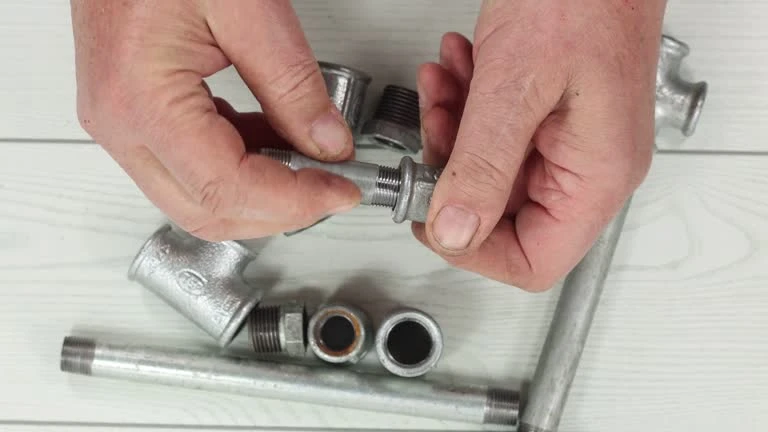
Copper piping fittings play a crucial role in plumbing systems, offering durability, corrosion resistance, and excellent thermal conductivity. Regular maintenance extends their lifespan, prevents leaks, and ensures efficient water flow. Without proper care, mineral deposits, corrosion, and pressure fluctuations can compromise the system’s integrity. This guide provides essential maintenance steps, covering inspection, cleaning, leak prevention, and protective measures to keep copper piping fittings in optimal condition.
Inspecting Copper Piping Fittings
Routine inspections help identify potential issues before they cause serious damage. Checking for leaks, discoloration, and corrosion ensures timely repairs.
- Look for Leaks – Water stains, damp spots, or dripping water indicate a leak. Even small leaks can lead to costly water damage if ignored.
- Check for Corrosion – Green or bluish discoloration around fittings signals oxidation. This issue often results from excessive moisture or contact with dissimilar metals.
- Monitor Water Pressure – Sudden drops in pressure may indicate blockages or small leaks. Using a pressure gauge helps track any unusual changes.
- Inspect Joints and Connections – Loose fittings can weaken the plumbing system. Tightening connections prevents leaks and maintains efficiency.
Performing these inspections at least twice a year helps detect problems early, reducing the risk of major repairs.
Cleaning Copper Piping Fittings
Regular cleaning removes mineral buildup and oxidation, preserving the system’s efficiency. Using the right cleaning methods prevents damage and ensures smooth water flow.
- Remove Surface Dirt and Dust – Wiping fittings with a damp cloth eliminates dust and minor residues.
- Use Vinegar for Light Cleaning – A mixture of vinegar and water dissolves minor oxidation and mineral deposits. Applying the solution with a soft cloth restores shine to copper fittings.
- Apply a Baking Soda Paste for Tough Stains – Mixing baking soda with water creates a mild abrasive that removes stubborn stains. Scrubbing gently with a soft brush prevents surface damage.
- Polish with Lemon and Salt – Sprinkling salt on a lemon half and rubbing it on the fittings enhances brightness and removes tarnish. Rinsing with clean water ensures no residue remains.
Cleaning every few months keeps copper fittings free from buildup and prolongs their lifespan.
Preventing Leaks in Copper Piping Fittings
Leaks waste water, increase utility bills, and cause structural damage. Taking preventive measures reduces the likelihood of leaks and enhances the system’s reliability.
- Seal Connections Properly – Applying plumber’s tape or joint compound on threaded fittings creates a tight seal and prevents leaks.
- Avoid Over-Tightening – Excessive force weakens fittings and causes cracks. Using the right amount of pressure ensures secure connections without damage.
- Use Compatible Materials – Installing dielectric unions between copper and galvanized pipes prevents corrosion and weak joints.
- Check for Loose Fittings Regularly – Periodic tightening keeps joints secure and prevents small leaks from worsening.
Preventing leaks requires a combination of proper installation techniques and regular maintenance checks.
Protecting Copper Piping from Corrosion
Copper resists corrosion, but certain environmental factors accelerate deterioration. Implementing protective measures extends the system’s lifespan and prevents costly repairs.
- Control Moisture Levels – Excessive humidity encourages oxidation. Using dehumidifiers or ensuring proper ventilation reduces exposure to moisture.
- Apply Protective Coatings – Spraying lacquer or applying a thin layer of wax shields copper fittings from oxidation and tarnishing.
- Insulate Pipes Properly – Wrapping insulation around exposed pipes minimizes temperature fluctuations and prevents condensation, which can lead to corrosion.
- Separate Copper from Other Metals – Direct contact with steel or iron accelerates galvanic corrosion. Using plastic or rubber spacers prevents this issue.
Protecting copper fittings from corrosion ensures long-term durability and prevents unnecessary replacements.
Flushing Copper Piping to Maintain Water Quality
Over time, mineral deposits and debris accumulate inside copper pipes, affecting water flow and quality. Flushing the system removes these impurities and maintains efficiency.
- Turn Off the Water Supply – Shutting off the main valve prevents water from entering the system during flushing.
- Open All Faucets – Allowing water to drain clears out stagnant water and loose debris.
- Use High-Pressure Water Flow – Running water at high pressure dislodges mineral buildup and restores normal flow.
- Flush with Vinegar Solution – Pouring a vinegar solution into the system dissolves stubborn deposits and improves water clarity.
- Rinse Thoroughly – Running clean water through the pipes removes any remaining residue or cleaning agents.
Flushing every six months prevents blockages and keeps water flowing smoothly.
Addressing Common Copper Piping Problems
Recognizing and resolving common issues early prevents system failures. Understanding these problems helps maintain a trouble-free plumbing network.
- Low Water Pressure – Mineral buildup, leaks, or partially closed valves cause pressure drops. Cleaning pipes, repairing leaks, and ensuring valves stay fully open restores normal pressure.
- Discolored Water – Brown or greenish water indicates corrosion inside the pipes. Flushing the system and adjusting pH levels in the water supply prevent further oxidation.
- Noisy Pipes – Water hammer or loose fittings create banging noises. Installing water hammer arrestors and securing loose pipes reduces noise levels.
- Frozen Pipes in Cold Weather – In freezing temperatures, water inside pipes can expand and cause cracks. Wrapping pipes with insulation and keeping faucets slightly open prevents freezing.
Addressing these problems promptly prevents expensive repairs and extends the lifespan of copper piping fittings.
Maintaining Soldered Joints
Soldered joints create strong connections, but they require maintenance to prevent leaks and deterioration. Ensuring their integrity keeps the plumbing system in good condition.
- Inspect for Cracks or Weak Seals – Checking soldered joints for small cracks prevents leaks before they become serious.
- Reapply Flux if Necessary – Over time, oxidation weakens joints. Cleaning and applying fresh flux before reheating strengthens the bond.
- Avoid Excessive Heat Exposure – High temperatures weaken soldered connections. Keeping pipes away from direct heat sources preserves their integrity.
- Monitor for Pinholes – Small holes in soldered joints cause leaks. Repairing minor defects with additional solder restores the connection.
Regular maintenance of soldered joints ensures a leak-free and efficient plumbing system.
Enhancing Copper Piping Efficiency
Improving efficiency reduces water waste, conserves energy, and enhances performance. Making small adjustments increases the overall effectiveness of the system.
- Install Flow Restrictors – Reducing excessive water flow minimizes strain on the pipes and conserves water.
- Use Water Softeners – Hard water increases mineral buildup inside pipes. Installing a softener prevents scale formation and improves flow.
- Reduce Sudden Temperature Changes – Rapid temperature shifts cause expansion and contraction, leading to stress on joints. Maintaining steady water temperatures prevents this issue.
- Check for Sediment Buildup – Sediments settle at low points in the system. Draining and flushing periodically removes deposits and maintains clear water flow.
Enhancing efficiency not only improves performance but also extends the lifespan of copper piping fittings.
Conclusion
Maintaining copper piping fittings requires regular inspections, proper cleaning, and protective measures against leaks and corrosion. By addressing minor issues early, homeowners and professionals can prevent costly repairs and ensure a reliable plumbing system.
Cleaning fittings, preventing leaks, and flushing pipes help maintain water quality and efficiency. Taking proactive steps, such as insulating pipes and using protective coatings, further extends their durability.
Following these maintenance practices keeps copper piping fittings in excellent condition, providing long-term reliability and optimal performance. A well-maintained system not only functions efficiently but also adds value to any property.
IFAN international standard
IFAN’s HDPE products comply with various international standards, ensuring quality, durability, and reliability. These standards include ASTM D3035 and ASTM D3350, which define specifications for polyethylene (PE) pipes and materials. The ISO 4427 and EN 12201 series set global benchmarks for PE pipes used in water supply systems. Additionally, DIN 8074/8075 and GB/T 13663 establish performance and dimension requirements for HDPE pipes in European and Chinese markets. Other recognized standards, such as AS/NZS 4130 (Australia/New Zealand), JIS K6760 (Japan), BS 6572 (UK), and CSA B137.1 (Canada), further demonstrate IFAN’s commitment to meeting industry regulations worldwide.
Contact
IFAN is a professional manufacturer with of experience, dedicated to producing high-quality plastic pipes, fittings, and valves. Our products include brass valves, PPR valves, as well as various pipes and fittings to meet different customer needs. Whether you need plumbing and drainage pipes or valve products, IFAN can provide a diverse range of high-quality, cost-effective products to support your projects. Below is our contact information.
We will reply your email or fax within 24 hours.
You can call us at any time if there is any question on our production.
For more information,pls visit our webside https://www.ifanplus.com/
Pls Mailto: [email protected]
Whatsapp: + 86 19857948982























