


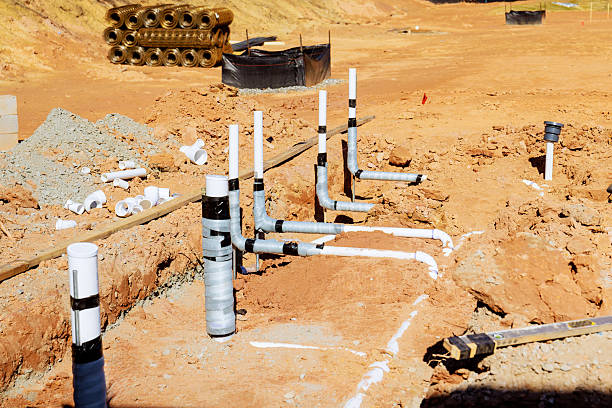
Chlorinated polyvinyl chloride (CPVC) pipelines provide smooth, efficient flow in both residential and industrial fluid systems. Their low flow resistance improves energy efficiency, reduces maintenance, and extends system life. Engineers and system designers value CPVC for this advantage when designing fluid distribution networks.This article explains how CPVC pipelines achieve low flow resistance and highlights the benefits across various applications. It also compares CPVC to other piping materials and discusses how its surface properties and design features enhance performance.
Understanding Flow Resistance in Piping Systems
Flow resistance refers to the friction and turbulence that slow down fluids inside a pipeline. High resistance causes pressure drops, energy losses, and inefficient transport. Pipe materials, diameter, internal surface condition, and system design all affect resistance levels.
Smooth internal surfaces reduce turbulence and friction. CPVC pipelines offer one of the smoothest interiors in the piping industry. Fluids pass through them with minimal disturbance, even after years of use.
Engineers use flow resistance data when selecting materials for plumbing, HVAC, chemical processing, and irrigation systems. They prioritize low-resistance options to maintain performance and reduce operational costs.
CPVC’s Smooth Inner Surface
Manufacturers create CPVC with high precision and consistency. During production, the inner walls of each pipe receive careful attention. The finished product features a glass-like surface that promotes free-flowing water or chemicals.
Unlike metal or fiberglass pipes, CPVC does not corrode or accumulate scale. As a result, it maintains its original smoothness throughout its service life. Fluids move faster and encounter fewer barriers inside CPVC systems.
Because of this property, CPVC pipes support high flow rates at lower pressures. This helps engineers design smaller, more efficient pumps and reduces system energy use.
Consistent Flow Over Time
CPVC pipelines maintain their flow characteristics throughout their lifespan. Corrosive environments, hard water, and temperature changes do not roughen their interior surface. Other materials, such as steel or copper, often develop buildup or corrosion, which increases resistance.
Long-term testing confirms that CPVC preserves its internal smoothness after decades of use. Facilities that rely on high-volume flow, such as hospitals or industrial plants, appreciate this consistency.
Users experience fewer performance drops, less pump strain, and more stable system operation with CPVC. These advantages improve reliability in both critical infrastructure and everyday use.
Comparison With Other Materials
Steel and iron pipes tend to corrode, which increases surface roughness over time. Even stainless steel, while more resistant, loses some smoothness with age. Copper performs well at first but may experience internal oxidation or scale deposits under certain water conditions.
Plastic materials such as PPR and PE offer smoother surfaces than metal but still face chemical or thermal limits. CPVC combines the best of both worlds. It offers chemical resistance, thermal stability, and unmatched smoothness.
Compared to PPR, CPVC handles higher temperatures with less expansion. Compared to PE, it provides more rigidity and lower permeability. These differences contribute to superior flow characteristics over the long term.
Pressure Loss Reduction
When fluid flows through a pipeline, it loses pressure due to friction against the pipe walls. Engineers measure this loss as pressure drop per unit length. CPVC’s smooth interior reduces friction and lowers pressure loss.
This property allows designers to install longer pipelines or use smaller pumps without sacrificing performance. In multistory buildings, this benefit reduces the need for booster pumps and simplifies system layouts.
Lower pressure loss also supports energy savings. Pumps work more efficiently and use less electricity to maintain desired flow rates.
Higher Flow Efficiency in Gravity Systems
In gravity-fed systems, fluid movement depends on elevation and pipe resistance. CPVC’s low-friction surface allows fluids to flow farther with less vertical drop. This advantage supports more efficient drainage, irrigation, and venting systems.
System designers often choose CPVC for rooftop water tanks, stormwater drainage, and large-scale irrigation. The smooth flow profile reduces backup risk and supports consistent outflow rates.
Engineers can use smaller diameters or steeper gradients to achieve desired flow, saving space and materials.
Energy Savings in Pumped Systems
Pumped systems rely on mechanical energy to move fluids. Pumps must overcome friction and elevation changes. When pipelines provide low resistance, pumps use less power.
CPVC pipelines support energy-efficient operation. Their smooth interior requires less pressure from pumps. Operators can reduce motor sizes, lower electricity usage, and minimize heat buildup.
In industrial and commercial buildings, these energy savings translate to lower operating costs and longer pump life. HVAC systems, cooling circuits, and chemical delivery networks benefit most from this efficiency.
Thermal and Chemical Stability
CPVC maintains its low flow resistance even in harsh conditions. High temperatures do not cause swelling or softening. Acids, salts, and organic compounds do not degrade the interior surface.
This stability ensures uninterrupted performance in hot water systems, chemical processing lines, and laboratory applications. CPVC also resists biological growth, which prevents biofilm buildup that increases resistance in other materials.
Its performance under stress and exposure makes CPVC a trusted choice in high-demand environments where consistency matters most.
Applications That Benefit From Low Resistance
Residential Water Supply
In homes and apartment buildings, CPVC pipelines deliver water quickly and efficiently. Showers, faucets, and appliances receive full flow with minimal lag. Hot water arrives faster because of reduced pressure loss and thermal conduction.
CPVC also reduces pump cycling and system strain. Plumbers and homeowners appreciate the quiet operation and steady pressure.
Commercial Plumbing Systems
Offices, hospitals, hotels, and schools demand steady flow across complex pipe networks. CPVC meets these demands with ease. Its low resistance allows engineers to optimize pipe runs without increasing pump load.
These facilities experience fewer blockages and less downtime. The material’s clean performance supports high-traffic usage throughout the day.
Industrial Process Systems
Factories often move chemicals, solvents, or heated liquids through pipelines. CPVC offers high flow rates with excellent chemical compatibility. The low resistance prevents fluid buildup and maintains process speed.
Production lines run more smoothly, and operators avoid delays caused by flow restrictions. CPVC’s predictable performance also supports automation and precise dosing.
Irrigation and Agriculture
Farms and greenhouses use CPVC to move water, nutrients, and fertilizers. Its smooth flow profile ensures even distribution across long distances. Gravity systems and low-pressure pumps work efficiently with CPVC lines.
The resistance to sunlight and chemicals makes CPVC a durable option for outdoor use. Farmers enjoy stable performance and reduced water waste.
Fire Protection Systems
Sprinkler systems rely on rapid response and full coverage. CPVC delivers water with minimal delay. Its low resistance helps systems meet response-time standards and safety codes.
CPVC also supports high flow at low system pressure, which allows designers to use smaller pumps or fewer zones.
Installation and Joint Integrity
Contractors install CPVC quickly using solvent cement or mechanical fittings. The joined sections form leak-free seals with minimal flow interruption. Unlike threaded metal connections, these joints do not create internal ridges or restrictions.
The clean, smooth joint structure preserves full-bore flow and prevents pressure loss at connection points. Installers can maintain low resistance throughout the system by using proper techniques and approved components.
Maintenance and Long-Term Performance
Over time, CPVC pipelines require minimal maintenance. Their smooth interior resists scale, algae, and sediment buildup. Cleaning or flushing rarely becomes necessary, even in high-usage systems.
System operators enjoy fewer clogs, less downtime, and more consistent pressure. Water heaters, pumps, and other equipment last longer when they operate under stable flow conditions.
Facilities with preventive maintenance plans often choose CPVC to reduce work orders and improve system availability.
Environmental Benefits
Efficient systems reduce energy use and lower carbon emissions. By reducing friction and pump demand, CPVC pipelines support sustainable building practices.
Energy-efficient operation, long service life, and recyclability contribute to CPVC’s green credentials. Designers can achieve LEED or other environmental certifications using CPVC in plumbing and process systems.
Construction teams reduce material waste by using smaller pumps, shorter pipe runs, and optimized layouts made possible by CPVC’s low resistance.
Conclusion
CPVC pipelines provide outstanding flow performance because of their smooth, corrosion-resistant interior. This advantage reduces friction, minimizes pressure loss, and increases system efficiency across all types of applications.
From residential plumbing to industrial processing, CPVC supports reliable, energy-efficient operation over decades. Its unique combination of strength, chemical resistance, and low flow resistance sets it apart from other piping materials.
Engineers, installers, and facility managers choose CPVC to achieve high performance, lower energy costs, and longer system life. With consistent performance and minimal maintenance, CPVC pipelines help fluid systems run smoothly from start to finish.
IFAN international standard
IFAN’s HDPE products comply with various international standards, ensuring quality, durability, and reliability. These standards include ASTM D3035 and ASTM D3350, which define specifications for polyethylene (PE) pipes and materials. The ISO 4427 and EN 12201 series set global benchmarks for PE pipes used in water supply systems. Additionally, DIN 8074/8075 and GB/T 13663 establish performance and dimension requirements for HDPE pipes in European and Chinese markets. Other recognized standards, such as AS/NZS 4130 (Australia/New Zealand), JIS K6760 (Japan), BS 6572 (UK), and CSA B137.1 (Canada), further demonstrate IFAN’s commitment to meeting industry regulations worldwide.
Contact
IFAN is a professional manufacturer with of experience, dedicated to producing high-quality plastic pipes, fittings, and valves. Our products include brass valves, PPR valves, as well as various pipes and fittings to meet different customer needs. Whether you need plumbing and drainage pipes or valve products, IFAN can provide a diverse range of high-quality, cost-effective products to support your projects. Below is our contact information.
We will reply your email or fax within 24 hours.
You can call us at any time if there is any question on our production.
For more information,pls visit our webside https://www.ifanplus.com/
Pls Mailto: [email protected]
Whatsapp: + 86 19857948982























