


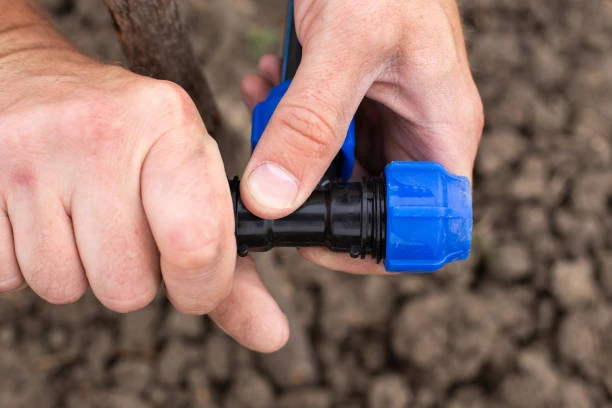
Polyethylene (PE) pipe fittings have become widely recognized for their durability and versatility. These fittings are commonly used in water supply, gas distribution, and industrial applications. A significant advantage of PE pipe fittings is their low failure rate, which contributes to their reputation as a reliable and long-lasting solution for piping systems. This article explores the factors that contribute to the low failure rate of polyethylene pipe fittings, the benefits of using these fittings, and how to maintain them for optimal performance.
Understanding Polyethylene Pipe Fittings
Polyethylene is a flexible, durable plastic polymer that has become the material of choice for pipes and fittings in various applications. PE pipe fittings are used in systems that transport water, gas, chemicals, and other fluids. These fittings are known for their resistance to corrosion, chemical attack, and high impact forces, making them ideal for a range of environments, including industrial, agricultural, and residential systems.
The low failure rate of polyethylene pipe fittings is one of the key reasons why they are so widely used. However, it is important to understand what factors contribute to this reliability and how they ensure that PE pipe fittings perform effectively over time.
Factors Contributing to the Low Failure Rate of Polyethylene Pipe Fittings
Several factors contribute to the low failure rate of polyethylene pipe fittings. These include the material properties of polyethylene, the manufacturing process, and the various design features that enhance the strength and performance of these fittings.
1. Durability and Impact Resistance
Polyethylene is inherently durable and resistant to many factors that typically cause failure in other materials, such as corrosion and rust. Unlike metal pipes, which can corrode when exposed to water or chemicals, PE pipe fittings remain unaffected by most corrosive substances. This resistance to corrosion significantly reduces the likelihood of failure due to rusting or chemical degradation.
Furthermore, polyethylene is highly resistant to impact damage. The material can absorb shocks and stress without cracking or breaking, making it ideal for applications where external pressure or impact is common. This resilience to impact ensures that PE pipe fittings can withstand physical stress and pressure without failing.
2. Flexibility and Stress Distribution
Polyethylene is a flexible material, which means that it can bend and adapt to changes in temperature or pressure. This flexibility allows PE pipe fittings to distribute stress more evenly along the pipe, reducing the risk of failure due to localized pressure points. Flexible pipe fittings can also withstand ground movement, such as settling or shifting, without cracking or breaking.
This flexibility also helps PE pipe fittings absorb thermal expansion and contraction. In contrast, rigid materials like metal are more prone to stress fractures when subjected to temperature fluctuations. The ability of PE pipe fittings to expand and contract without losing their integrity helps maintain a low failure rate in environments with varying temperatures.
3. Resistance to Environmental Stress Cracking
Environmental stress cracking (ESC) is a common cause of failure in many materials, particularly in plastics. ESC occurs when a material is exposed to certain environmental conditions, such as chemicals or high humidity, which cause it to crack under stress. Polyethylene pipe fittings are highly resistant to ESC, which further contributes to their low failure rate. The material’s ability to resist stress cracking makes it ideal for use in environments where harsh chemicals or weather conditions might otherwise weaken other materials.
4. Chemical Resistance
Polyethylene is resistant to a wide range of chemicals, including acids, alkalis, and solvents. This resistance to chemical degradation helps ensure that PE pipe fittings perform reliably in industries where chemicals are transported through pipelines. The fittings are unlikely to degrade or fail when exposed to chemicals, making them an ideal choice for systems that carry aggressive or corrosive fluids.
In addition to chemical resistance, polyethylene is also resistant to microbial growth, which can cause damage to other materials over time. The absence of microbial degradation helps further extend the lifespan of polyethylene pipe fittings.
5. Seamless Joints and Weldability
Polyethylene pipe fittings can be welded or fused to form seamless joints. This fusion process creates a strong bond between the pipe and the fitting, eliminating the risk of leaks at connection points. Unlike mechanical joints, which can weaken over time, welded or fused joints maintain their strength throughout the life of the system. This results in a significantly lower failure rate, as the integrity of the joint remains intact.
Welding or fusing PE pipe fittings also reduces the likelihood of contamination at the joint. Contaminants in mechanical connections can cause leaks and system failures, but fused joints in polyethylene fittings are smooth and free of gaps that could allow fluids to escape.
Benefits of Low Failure Rate Polyethylene Pipe Fittings
The low failure rate of polyethylene pipe fittings brings a range of benefits to industries and systems that rely on them. These benefits include reduced maintenance costs, improved system reliability, and longer service life.
1. Reduced Maintenance Costs
One of the most significant benefits of using PE pipe fittings with a low failure rate is the reduction in maintenance costs. With fewer failures, the need for repairs and replacements decreases significantly. This results in lower operational and maintenance expenses, as well as reduced downtime for the system.
Regular repairs and replacements can be costly, especially in large-scale industrial applications. By choosing polyethylene pipe fittings that are designed for long-term performance, businesses can save money on maintenance and avoid the costs associated with system failures.
2. Improved System Reliability
Polyethylene pipe fittings are known for their reliability and consistent performance. The low failure rate of these fittings means that systems relying on PE pipe fittings experience fewer interruptions and breakdowns. Whether used in water distribution, gas pipelines, or industrial systems, polyethylene fittings provide the reliability needed for smooth operation.
This reliability is particularly crucial in applications where system downtime can lead to significant losses or safety risks. With low failure rates, businesses can trust that their systems will operate efficiently without frequent disruptions.
3. Longer Service Life
Polyethylene pipe fittings are designed to have a long service life, often exceeding when properly installed and maintained. The low failure rate of these fittings means that they are less likely to require early replacement, extending the life of the entire piping system. This longevity helps businesses reduce the frequency of capital expenditures on new systems and equipment.
A longer service life also means that companies can enjoy the benefits of their investment in polyethylene pipe fittings over a longer period, making it a cost-effective solution in the long term.
4. Enhanced Safety
The low failure rate of polyethylene pipe fittings contributes to the overall safety of the systems in which they are used. The durability and resistance of PE fittings to environmental factors, chemicals, and impact reduce the risk of leaks, cracks, or ruptures. This enhances the safety of both the system and the people who work with or around it.
In industries such as gas distribution or chemical processing, the failure of pipe fittings can lead to hazardous situations. Polyethylene pipe fittings minimize these risks by maintaining their integrity over time, ensuring that the system operates safely.
Maintenance Practices to Ensure Low Failure Rate
To ensure that polyethylene pipe fittings maintain their low failure rate, regular maintenance is essential. Following the manufacturer’s guidelines for installation, inspection, and maintenance will help extend the life of the fittings and ensure they continue to perform reliably.
1. Regular Inspections
Routine inspections should be conducted to identify any signs of wear, damage, or deterioration. Inspecting the pipe fittings for cracks, discoloration, or misalignment can help identify issues early and prevent failures before they occur.
2. Pressure Testing
Pressure testing is an essential part of maintenance for polyethylene pipe fittings. This test ensures that the fittings can handle the operational pressure of the system without leaks or failures. If any issues are found, corrective actions, such as replacing faulty fittings or seals, can be taken before they cause significant problems.
3. Proper Installation
Proper installation is critical to ensuring the longevity of polyethylene pipe fittings. Following the manufacturer’s recommendations for fitting connections, pipe alignment, and welding techniques will help prevent failures caused by installation errors. Correct installation ensures that the fittings operate as intended and maintain their low failure rate over time.
4. Environmental Considerations
Consider the environmental conditions in which the PE pipe fittings are used. Extreme temperatures, high levels of UV radiation, or exposure to harsh chemicals can accelerate the degradation of polyethylene. Using UV-resistant fittings and ensuring that the system is not exposed to damaging environmental conditions can help maintain the performance of the fittings.
Conclusion
Polyethylene pipe fittings offer exceptional performance with a low failure rate, making them a reliable choice for a wide range of applications. The material’s resistance to corrosion, impact, environmental stress cracking, and chemicals ensures that PE fittings maintain their integrity over time. The low failure rate of these fittings results in significant benefits, including reduced maintenance costs, improved system reliability, and a longer service life.
By understanding the factors that contribute to the low failure rate of polyethylene pipe fittings and implementing best practices for installation and maintenance, businesses can ensure that their systems continue to operate efficiently and safely. Polyethylene pipe fittings provide an excellent solution for industries looking for reliable, durable, and cost-effective piping systems.
IFAN international standard
IFAN’s HDPE products comply with various international standards, ensuring quality, durability, and reliability. These standards include ASTM D3035 and ASTM D3350, which define specifications for polyethylene (PE) pipes and materials. The ISO 4427 and EN 12201 series set global benchmarks for PE pipes used in water supply systems. Additionally, DIN 8074/8075 and GB/T 13663 establish performance and dimension requirements for HDPE pipes in European and Chinese markets. Other recognized standards, such as AS/NZS 4130 (Australia/New Zealand), JIS K6760 (Japan), BS 6572 (UK), and CSA B137.1 (Canada), further demonstrate IFAN’s commitment to meeting industry regulations worldwide.
Contact
IFAN is a professional manufacturer with of experience, dedicated to producing high-quality plastic pipes, fittings, and valves. Our products include brass valves, PPR valves, as well as various pipes and fittings to meet different customer needs. Whether you need plumbing and drainage pipes or valve products, IFAN can provide a diverse range of high-quality, cost-effective products to support your projects. Below is our contact information.
We will reply your email or fax within 24 hours.
You can call us at any time if there is any question on our production.
For more information,pls visit our webside https://www.ifanplus.com/
Pls Mailto: [email protected]
Whatsapp: + 86 19857948982























