


Introduction
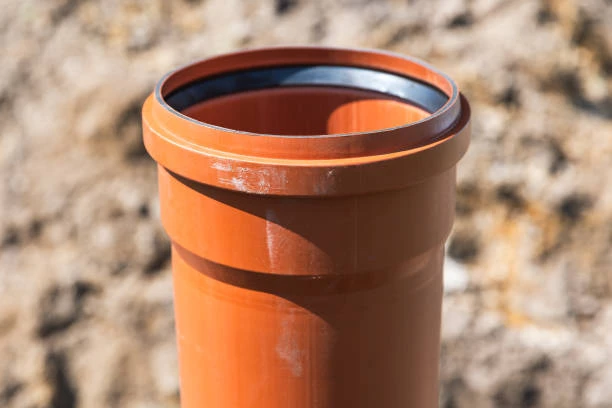
PPH (Polypropylene Homopolymer) tubes provide a durable and efficient solution for fluid transportation. Their chemical resistance, lightweight structure, and long service life make them ideal for various industrial and commercial applications. Proper installation ensures their effectiveness and longevity. This article explores the tools, preparation steps, joining methods, and best practices for installing PPH tubes.
Preparing for Installation
A successful installation begins with thorough preparation. The process involves gathering necessary tools, measuring the pipe layout, and ensuring compatibility with the intended application.
1. Selecting the Right Tools
Workers need specific tools for cutting, welding, and joining PPH tubes. These tools include:
- Pipe cutters for making clean cuts.
- Welding machines for heat fusion.
- Deburring tools for smoothing cut edges.
- Measuring tapes and markers for accurate alignment.
2. Inspecting the PPH Tubes
Each tube requires careful inspection before installation. Workers check for visible defects, such as cracks or irregularities, that might affect performance. Proper handling prevents unnecessary damage.
3. Measuring and Marking
Accurate measurements ensure a proper fit. Workers use measuring tapes to determine the required lengths and mark the tubes accordingly. A precise layout reduces errors and material waste.
Cutting and Preparing the Tubes
Proper cutting and preparation contribute to a secure and leak-free installation.
1. Cutting Techniques
Workers use pipe cutters or fine-toothed saws to cut PPH tubes to the required lengths. A smooth and straight cut prevents alignment issues. Applying even pressure ensures a clean cut without deforming the tube.
2. Deburring and Cleaning
After cutting, rough edges may appear. A deburring tool smooths these edges, preventing improper sealing during joining. Cleaning the pipe ends removes dust, grease, and debris, ensuring a strong connection.
Joining Methods
PPH tubes connect using different techniques, depending on the application and required durability. Common methods include socket fusion, butt fusion, and mechanical connections.
1. Socket Fusion
This method involves heating the outer surface of the pipe and the inner surface of a fitting before pressing them together. The process includes:
- Heating the pipe and fitting using a fusion tool.
- Aligning and pressing them firmly to create a secure bond.
- Allowing sufficient cooling time before applying pressure.
Socket fusion works best for small to medium-sized pipes. Proper alignment ensures a leak-proof connection.
2. Butt Fusion
Butt fusion joins two PPH tubes by heating their ends and pressing them together. This technique provides a seamless and durable joint. The process includes:
- Clamping both pipe ends in place.
- Heating the surfaces evenly using a specialized heating plate.
- Pressing the heated ends together with controlled pressure.
- Allowing the joint to cool before moving or testing the pipes.
Butt fusion works well for larger diameter pipes, providing a strong and uniform connection.
3. Mechanical Connections
Some installations require threaded fittings, compression fittings, or flanges. These connections allow easy disassembly and reassembly when needed. The process includes:
- Inserting the tube into the fitting.
- Tightening the connection with appropriate tools.
- Checking for leaks and ensuring a secure fit.
Mechanical connections work well for systems that need periodic maintenance or modifications.
Supporting and Securing the Tubes
Proper support prevents sagging, misalignment, and unnecessary stress on the tubes.
1. Using Pipe Supports
Workers install pipe brackets, clamps, or hangers at regular intervals. These supports keep the tubes in place and maintain alignment. Over-tightening must be avoided to prevent deformation.
2. Allowing for Expansion and Contraction
PPH tubes expand and contract with temperature changes. The installation must include expansion loops or flexible joints to accommodate movement. Proper spacing between fixed points prevents stress buildup.
3. Avoiding Unnecessary Bends and Strain
Excessive bending weakens the tube structure. Workers use fittings or gentle curves instead of forcing sharp bends. Proper routing reduces strain on the system.
Testing the Installed System
Before operation, the installed system undergoes thorough testing to ensure reliability.
1. Leak Testing
A pressure test confirms the integrity of the joints and connections. Workers introduce water or air into the system and monitor for pressure drops or leaks. Any detected issue requires immediate correction.
2. Visual Inspection
Inspecting the entire installation identifies potential problems. Workers check for misaligned joints, unsupported sections, and any signs of damage.
3. Flushing the System
Before using the pipes, the system undergoes flushing to remove debris or contaminants. Clean water flows through the pipes, ensuring a clear and safe pathway.
Common Installation Challenges and Solutions
Even with careful planning, challenges may arise. Understanding these issues helps ensure a smooth installation process.
1. Misalignment of Joints
Improper alignment weakens the connection and may cause leaks. Workers ensure proper positioning before joining the tubes. Using alignment tools helps achieve precision.
2. Overheating During Fusion
Excessive heat can weaken the tube material. Workers follow recommended heating times and use calibrated fusion tools to maintain optimal temperature control.
3. Inadequate Support
Insufficient pipe supports lead to sagging and stress on joints. Installing supports at appropriate intervals prevents long-term damage.
4. Contamination During Installation
Dirt or grease on pipe surfaces affects fusion quality. Proper cleaning and handling maintain strong connections.
Maintenance Considerations After Installation
Proper maintenance extends the lifespan of PPH tube systems.
1. Regular Inspections
Scheduled checks help identify leaks, loose fittings, or signs of wear. Early detection prevents major issues.
2. Cleaning and Flushing
Periodic cleaning removes any buildup that may affect flow efficiency. Flushing the system prevents blockages.
3. Monitoring for Temperature Changes
Extreme temperature fluctuations impact pipe expansion. Adjusting support structures or adding expansion loops prevents stress-related failures.
Conclusion
A well-planned installation of PPH tubes ensures durability and efficiency. Proper preparation, precise cutting, effective joining methods, and secure support systems contribute to long-lasting performance. Testing and maintenance further enhance reliability. With careful handling and attention to detail, PPH tube systems provide safe and effective fluid transport for various applications.
IFAN international standard
IFAN’s PPH pipes comply with multiple international and national standards, ensuring high quality and reliability. These standards include ISO 15494 Series standards, EN ISO 15494, DIN 8077/8078, ASTM F2389, GB/T 19472 Series standards, and NBR 15494. Each standard defines specific requirements for material properties, dimensions, performance, and testing methods. By adhering to these standards, IFAN guarantees durability, chemical resistance, and safety in various applications, including industrial piping, water treatment, and chemical transport systems. These certifications demonstrate IFAN’s commitment to excellence and global compatibility.
Contact
IFAN is a professional manufacturer with of experience, dedicated to producing high-quality plastic pipes, fittings, and valves. Our products include brass valves, PPR valves, as well as various pipes and fittings to meet different customer needs. Whether you need plumbing and drainage pipes or valve products, IFAN can provide a diverse range of high-quality, cost-effective products to support your projects. Below is our contact information.
We will reply your email or fax within 24 hours.
You can call us at any time if there is any question on our production.
For more information,pls visit our webside https://www.ifanplus.com/
Pls Mailto: [email protected]
Whatsapp: + 86 19857948982























