


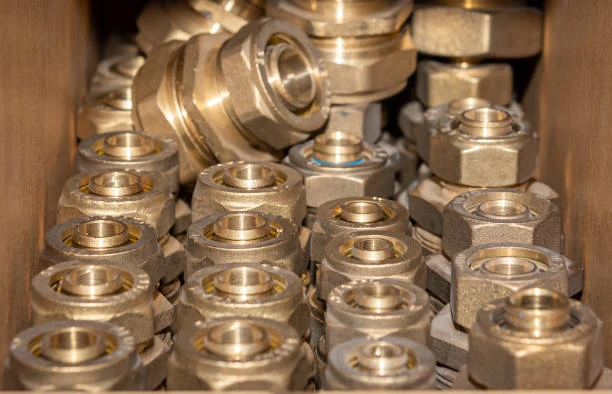
Modern plumbing systems rely heavily on innovation, efficiency, and simplicity. Among the most notable advancements in plumbing technology is the PEX system, which uses flexible cross-linked polyethylene tubing. However, the true success of PEX piping would not be possible without the equally important conector PEX, or PEX connector. These connectors form the vital link between different sections of the system, ensuring durability and leak-free performance.
While many are aware of the benefits of using PEX pipes, fewer understand the various ways to install conector PEX. In this detailed guide, we will explore all popular installation methods. We will also discuss their specific tools, advantages, and best-use cases. Whether you are a homeowner, contractor, or plumbing enthusiast, this article will provide the knowledge needed to make informed decisions during installation.
What Is a Conector PEX?
Before diving into installation techniques, it is crucial to understand what a conector PEX is. Essentially, it is a fitting that connects one piece of PEX tubing to another or to a different plumbing component, such as a valve or a manifold.
These connectors are available in several types, materials, and designs, including straight connectors, elbows, tees, and adapters. Regardless of shape, they are engineered to work under pressure, resist corrosion, and deliver long-term reliability.
Key Factors in Choosing an Installation Method
Choosing the right installation method for conector PEX depends on several factors. These include the application type, available tools, skill level of the installer, project budget, and local building codes.
Each method has its advantages and potential drawbacks. Therefore, understanding the pros and cons of each can save time, money, and effort during the plumbing process.
Method 1: Crimp Ring Installation
Overview
The crimp method is one of the most common ways to install conector PEX. It uses a copper crimp ring that slides over the PEX tubing. The tubing is then inserted onto the fitting, and the crimp ring is compressed using a crimp tool.
Tools Required
- PEX crimp tool
- Copper crimp rings
- Pipe cutter
- Go/no-go gauge
Installation Steps
First, cut the PEX tubing to the desired length. Then, slide a copper crimp ring over the tubing. Insert the conector PEX into the tubing until it reaches the fitting shoulder. Next, use the crimp tool to compress the ring. Finally, check the connection using the go/no-go gauge.
Advantages
Crimping is easy to learn and does not require expensive tools. Furthermore, it creates a strong and secure connection. It is also widely accepted by most plumbing codes.
Limitations
Over time, copper rings may corrode in certain environments. In addition, improper crimping can result in leaks or weak joints.
Method 2: Clamp (Cinch) Ring Installation
Overview
Another popular option is the clamp, or cinch, method. Instead of using a copper ring, this method uses a stainless-steel clamp ring that is tightened using a special tool.
Tools Required
- PEX clamp tool
- Stainless steel clamp rings
- Pipe cutter
Installation Steps
Start by cutting the tubing. Then, slide a stainless-steel clamp ring over the end. Insert the connector fitting fully into the pipe. Position the clamp ring over the barbed section of the fitting. Use the clamp tool to tighten the ring until it clicks into place.
Advantages
Stainless-steel clamps resist corrosion better than copper rings. Moreover, the clamp tool works for all sizes of fittings, which adds convenience and reduces tool costs.
Limitations
Clamp connections can take slightly more time than crimping, especially when working with larger plumbing systems.
Method 3: Expansion Installation
Overview
Expansion fittings use a special expansion tool that temporarily stretches the PEX pipe. The fitting is then inserted into the expanded pipe, which naturally contracts to create a tight seal.
Tools Required
- PEX expansion tool
- Expansion rings
- Pipe cutter
Installation Steps
Cut the pipe to length and slide an expansion ring over the end. Use the expansion tool to widen the pipe opening. Quickly insert the conector PEX before the tubing contracts. Let it shrink back to size, creating a secure grip.
Advantages
Expansion fittings eliminate the need for metal rings, resulting in fewer corrosion concerns. Also, the connection strengthens over time as the tubing shrinks tighter around the fitting.
Limitations
This method requires more expensive tools and works best with PEX-A, the most flexible type of PEX tubing. It may not be suitable for PEX-B or PEX-C.
Method 4: Push-to-Connect Installation
Overview
Push-to-connect fittings are ideal for quick repairs or installations without specialized tools. These connectors simply push onto the PEX pipe and create a watertight seal with internal barbs and O-rings.
Tools Required
- Pipe cutter
Installation Steps
Cut the PEX tubing cleanly and square. Push the tubing into the fitting until it clicks into place. Some fittings have a depth mark to help ensure full insertion.
Advantages
No tools are needed. Installation is extremely fast and intuitive. This method is excellent for emergency repairs or tight spaces.
Limitations
Push fittings are more expensive than other options. Additionally, they are bulkier, which may be an issue in compact installations.
Method 5: Compression Fittings
Overview
Compression fittings involve a brass or plastic nut that tightens over a rubber or metal compression ring, securing the conector PEX.
Tools Required
- Wrench or pliers
- Pipe cutter
Installation Steps
Insert the tubing into the fitting along with the compression ring. Tighten the nut to compress the ring around the pipe. This seals the joint without crimping or clamping.
Advantages
Compression fittings are reusable and require only basic tools. They are suitable for temporary setups or applications where disassembly is needed.
Limitations
These fittings are generally not approved for behind-the-wall use. They are also less common in high-pressure systems.
Comparing the Installation Methods
Each method offers unique benefits depending on the project. For large-scale residential systems, crimp or expansion methods offer reliability and affordability. In contrast, push fittings are great for spot repairs or when speed is essential. Clamp fittings provide a good balance of performance and cost-effectiveness. Compression fittings are best used for accessible areas that may require future disassembly.
When deciding which to use, consider local plumbing codes, material compatibility, and the installer’s experience.
Common Mistakes to Avoid
To ensure a successful installation, avoid the following mistakes:
- Failing to insert the connector fully
- Not using a pipe cutter (which can result in uneven ends)
- Skipping the use of a go/no-go gauge for crimp rings
- Over-tightening compression fittings
- Using incompatible tubing types (e.g., expansion fittings with PEX-B)
By paying attention to these details, you can ensure a watertight, long-lasting installation.
Maintenance and Inspection Tips
Once installed, conector PEX fittings require little maintenance. However, occasional inspection can prevent long-term issues. Check for:
- Visible corrosion or discoloration
- Signs of leaks or moisture
- Shifting or loosening of fittings due to vibration
- Proper support and spacing between fittings
If a problem arises, the modular nature of PEX systems makes it easy to replace individual connectors without redoing the entire system.
Safety Considerations
While PEX systems are generally safe, always follow basic safety rules:
- Wear gloves and eye protection
- De-pressurize the system before installation or repair
- Ensure proper ventilation if using adhesives or primers
- Follow manufacturer instructions for all tools and fittings
Additionally, be aware of local plumbing regulations. Some areas may restrict certain installation methods, particularly behind walls or in commercial buildings.
Future Trends in Conector PEX Installation
The installation of conector PEX continues to evolve with technological advancements. We now see:
- Smart connectors that detect leaks or monitor flow
- Tool-free locking mechanisms for faster assembly
- Universal connectors compatible with multiple tubing types
- Color-coded systems for easier identification
As the industry embraces innovation, the methods of installing PEX connectors will likely become even simpler and more reliable.
Conclusion
The installation method you choose for conector PEX plays a vital role in the success of your plumbing project. From traditional crimp rings to high-tech push-to-connect fittings, each option serves a specific purpose. Whether you prioritize speed, durability, cost, or ease of use, there is a fitting method that aligns with your needs.
Understanding the strengths and limitations of each technique allows for better planning and execution. By selecting the right installation approach, you ensure a system that is both efficient and long-lasting. As plumbing technology continues to advance, staying informed about modern methods ensures that you are always equipped to handle any project with confidence.
IFAN international standard
IFAN products comply with various internationally recognized standards to ensure quality and reliability. These standards include ISO 15875, GB/T 18992, DIN 16892, ASTM F877, ASTM F2788, BS 7291, BS EN ISO 15875, and CSA B137. Adherence to these certifications demonstrates IFAN’s commitment to meeting global requirements for performance, safety, and durability in piping systems.
Contact
IFAN is a professional manufacturer with of experience, dedicated to producing high-quality plastic pipes, fittings, and valves. Our products include brass valves, PPR valves, as well as various pipes and fittings to meet different customer needs. Whether you need plumbing and drainage pipes or valve products, IFAN can provide a diverse range of high-quality, cost-effective products to support your projects. Below is our contact information.
We will reply your email or fax within 24 hours.
You can call us at any time if there is any question on our production.
For more information,pls visit our webside https://www.ifanplus.com/
Pls Mailto: [email protected]
Whatsapp: + 86 19857948982























