


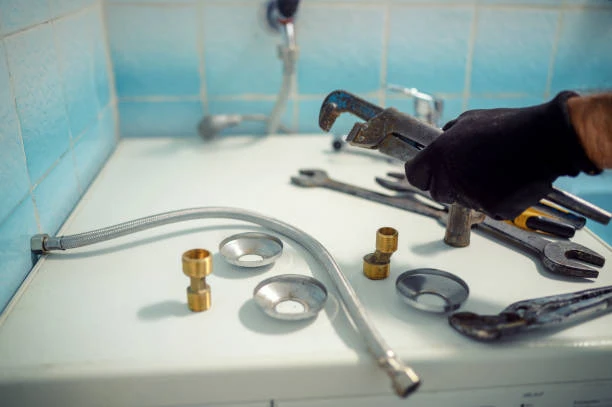
Expandable hoses offer a cost-effective and flexible solution for various applications, including residential, industrial, and agricultural settings. Their lightweight design, ease of use, and adaptability reduce installation costs significantly compared to traditional rigid piping systems. By exploring the factors that impact these costs, the benefits of them become even clearer.
Materials and Components
Lightweight Design
Expandable hoses require fewer materials due to their lightweight construction. This characteristic minimizes transportation and handling costs, which often represent a substantial portion of installation expenses.
Durable Materials
Manufacturers use high-quality materials such as latex and polyester fabric to construct them. These materials provide durability and reduce the need for frequent replacements, lowering overall costs.
Simplified Accessories
Expandable hoses connect easily to standard fittings, valves, and adapters. Users do not need specialized components or custom parts, which helps save money during installation.
Labor Costs
Faster Installation
Expandable hoses save time during installation because of their flexibility and ease of handling. Workers connect hoses without extensive cutting, welding, or sealing. This speed reduces labor hours and associated costs.
Reduced Training Needs
Operating them does not require advanced training. Workers can quickly understand installation procedures, eliminating the need for costly training programs.
Fewer Workers Required
Unlike rigid piping systems that need multiple workers for heavy lifting and alignment, expandable hoses require fewer people to manage the installation process. A smaller team further reduces labor expenses.
Tools and Equipment
Minimal Equipment Required
Expandable hoses eliminate the need for specialized tools like pipe cutters, threading machines, or welding equipment. Simple hand tools handle most installation tasks, significantly cutting costs.
No Heavy Machinery
Unlike rigid pipes that might require cranes or forklifts for transportation and installation, expandable hoses do not need heavy machinery. Workers can carry and position hoses by hand, avoiding additional equipment expenses.
Ease of Storage and Transport
Expandable hoses take up less space during transport because they retract when not in use. This compact design reduces storage and transportation costs, especially for bulk purchases or large-scale projects.
Site Preparation
Flexible Routing
Expandable hoses adapt to different layouts and terrains, eliminating the need for extensive site preparation. Workers can route hoses around obstacles without excavating or modifying the environment, saving time and money.
Less Need for Trenching
Rigid systems often require deep trenches to accommodate their fixed design. Expandable hoses work above ground or in shallow channels, reducing trenching and backfilling costs.
Compatibility with Existing Systems
Expandable hoses connect seamlessly to existing systems without requiring significant modifications. This compatibility reduces costs associated with retrofitting or replacing old components.
Maintenance and Longevity
Durable Performance
Expandable hoses resist wear and tear caused by regular use. Their durable materials ensure long-term performance, reducing maintenance costs and extending the lifespan of the installation.
Simple Repairs
When damages occur, users can replace individual sections of theminstead of the entire length. This approach minimizes repair expenses and downtime.
Resistance to Corrosion
Expandable hoses resist corrosion from chemicals and environmental factors. Unlike metal pipes that require protective coatings or frequent replacements, expandable hoses maintain performance without additional treatments.
Comparison with Rigid Systems
Material Costs
Rigid pipes, such as metal or PVC, often cost more per unit length due to the heavier materials involved. Expandable hoses reduce material costs by using lighter, more affordable components.
Installation Time
Rigid systems take longer to install because they involve precise alignment, sealing, and securing. Expandable hoses streamline the process, lowering labor costs significantly.
Transportation and Handling
The compact and lightweight nature of them simplifies transportation and reduces handling costs. Rigid pipes demand larger vehicles and more storage space, increasing overall expenses.
Adaptability to Changes
Expandable hoses handle changes in layout or system design more easily than rigid systems. Users can reconfigure or extend them without incurring high costs for additional materials or extensive modifications.
Cost Benefits in Different Applications
Residential Use
Homeowners save money by choosing them for gardening, irrigation, and car washing. These hoses connect quickly to standard faucets, requiring no professional installation.
Industrial Applications
In factories or processing plants, expandable hoses reduce installation costs for temporary or semi-permanent systems. Their adaptability allows workers to route hoses through complex environments without expensive modifications.
Agricultural Settings
Farmers benefit from the affordability of expandable hoses in irrigation systems. These hoses cover large areas with minimal infrastructure, reducing the need for costly pipelines and pumps.
Emergency and Temporary Systems
Expandable hoses shine in emergency applications such as flood relief or temporary water distribution. Their portability and quick setup save money compared to rigid systems that demand extensive planning and preparation.
Factors Affecting Installation Costs
Hose Length and Diameter
Longer or wider them cost more upfront but may eliminate the need for multiple connections or extensions. This trade-off often results in overall savings by reducing labor and material requirements.
Quality and Brand
Premium expandable hoses cost more initially but offer better durability and performance. Investing in higher-quality hoses often leads to lower maintenance and replacement costs over time.
Environmental Conditions
Harsh conditions, such as extreme temperatures or exposure to chemicals, may require specialized hoses with higher costs. However, these hoses perform reliably in demanding environments, ensuring long-term savings.
Frequency of Use
For frequent use, choosing durable them minimizes the need for repairs or replacements. This approach reduces costs associated with downtime and additional labor.
Long-Term Savings
Reduced Maintenance Costs
Expandable hoses require minimal maintenance compared to rigid systems. Their resistance to wear and environmental factors ensures consistent performance, reducing ongoing expenses.
Lower Replacement Frequency
The durable materials used in them extend their lifespan, reducing the need for frequent replacements. Users save money over time by avoiding regular reinvestment in new hoses.
Flexibility for Future Needs
Expandable hoses adapt to changing requirements, such as system expansion or layout modifications. This flexibility eliminates the need for costly upgrades or replacements when needs evolve.
Conclusion
Expandable hoses offer a cost-effective solution for various applications by minimizing installation costs in multiple ways. Their lightweight design, compatibility with existing systems, and reduced need for labor and equipment provide immediate savings. Over the long term, their durability and flexibility contribute to lower maintenance and replacement expenses. Whether in residential, industrial, or agricultural settings, expandable hoses prove their value by delivering reliable performance while keeping costs under control.
IFAN international standard
IFAN standards include a range of international certifications and specifications such as ASTM 2846, DIN 8079/8080, ASTM F441/F441M SCH80, DIN, GB/T 18993 series, AS/NZS 1477, CSA B137.6, NSF/ANSI 14, and TIS 17-2532/1131-2535, among others. These standards ensure the quality, safety, and reliability of products, aligning with global manufacturing and performance requirements. By adhering to these standards, IFAN guarantees that its products meet rigorous industry benchmarks, ensuring customer satisfaction and compliance with regulatory guidelines across various regions.
Contact
IFAN is a professional manufacturer with of experience, dedicated to producing high-quality plastic pipes, fittings, and valves. Our products include brass valves, PPR valves, as well as various pipes and fittings to meet different customer needs. Whether you need plumbing and drainage pipes or valve products, IFAN can provide a diverse range of high-quality, cost-effective products to support your projects. Below is our contact information.
We will reply your email or fax within 24 hours.
You can call us at any time if there is any question on our production.
For more information,pls visit our webside https://www.ifanplus.com/
Pls Mailto: [email protected]
Whatsapp: + 86 19857948982























