


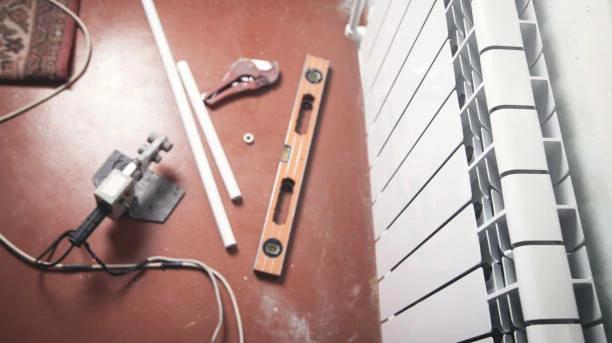
1. CPVC Pipes: A Technological Advancement
CPVC pipes represent a significant leap from traditional PVC materials, incorporating chlorine into the polymer to improve performance in higher-temperature environments. The most prominent advancement is CPVC’s ability to withstand temperatures as high as 200°F (93°C), making it ideal for industrial and residential hot water systems. This innovation has expanded the application range of CPVC pipes, setting them apart from other pipe materials like copper or standard PVC.
Benefits of CPVC over Traditional Materials
- Heat Resistance: Unlike traditional PVC pipes, which degrade in hot water systems, CPVC can handle high-temperature water without compromising its integrity.
- Chemical Resistance: CPVC resists a variety of corrosive substances, such as acids, alkalis, and salts, making it suitable for industries requiring chemical handling.
- Longer Lifespan: CPVC’s resistance to environmental factors, including UV rays and moisture, ensures a longer service life compared to other piping systems.
2. Environmental Benefits of CPVC Pipes
Sustainability is a crucial consideration in modern construction and plumbing systems. CPVC pipes align with the global push for eco-friendly solutions in infrastructure development.
Energy Efficiency
CPVC pipes have superior insulation properties that reduce the need for additional insulation materials. They help maintain the temperature of water flowing through them, thus reducing energy consumption in both residential and industrial applications. This energy efficiency contributes to lower heating and cooling costs, offering an indirect environmental benefit.
Recyclability
Although not always emphasized, CPVC is recyclable. As industries and governments push for more sustainable practices, CPVC can be reclaimed and reused, minimizing waste and the environmental footprint of plumbing systems. This sets it apart from materials like copper, which require extensive energy to recycle.
Reduced Water Contamination
CPVC pipes contribute to better water quality by preventing the leaching of chemicals into the water supply. This is especially important for systems delivering potable water or in areas where water safety is a significant concern.
3. The Flexibility of CPVC in Modern Plumbing Systems
CPVC pipes offer impressive flexibility in design and application, allowing for creative solutions in residential, commercial, and industrial settings.
Residential Plumbing
In homes, CPVC provides an efficient and cost-effective alternative to copper piping. Homeowners appreciate its lightweight design, which makes installation easier and faster. CPVC also avoids the issues of corrosion and scaling that affect copper pipes over time.
Commercial and Industrial Applications
CPVC’s versatility extends to commercial and industrial settings, where it can handle large-scale installations and high-pressure systems. For example, in manufacturing, CPVC pipes transport chemical fluids with ease, ensuring the safety and reliability of operations. In the food and beverage industry, CPVC’s non-toxic properties ensure that the transported liquids maintain their purity and quality.
4. Manufacturing Innovations in CPVC Pipes
The production of CPVC pipes has evolved significantly with advancements in manufacturing technologies. These innovations have further enhanced the performance and capabilities of CPVC pipes, making them an even more attractive option for diverse applications.
Fusion Technology
Modern CPVC piping systems use heat fusion technology to create permanent, leak-proof joints without the need for glues or solvents. This method ensures the integrity of the pipeline, reducing the risk of leaks or system failures. Fusion technology also ensures that CPVC pipes maintain their pressure ratings and structural strength over time.
Enhanced Pressure Ratings
New formulations of CPVC allow for pipes to withstand higher internal pressures, making them suitable for demanding commercial and industrial applications. Enhanced pressure resistance means fewer failures in high-stress environments, providing increased system reliability.
Microbial Growth Prevention
One of the most recent innovations in CPVC manufacturing is the incorporation of antimicrobial properties into the material. These advances prevent microbial growth inside the pipes, further protecting water quality and safety.
5. CPVC Pipes in Fire Protection Systems
CPVC pipes have gained significant traction in fire suppression systems. Unlike metal pipes, CPVC offers a lightweight alternative that is easier to install. It is also more resistant to corrosion, which is a critical factor in maintaining the reliability of fire protection systems.
Fire Sprinkler Systems
They are increasingly used in fire sprinkler systems, especially in residential and commercial buildings. The material’s ability to withstand high temperatures ensures that the pipes perform as expected in emergency situations. Furthermore, the flexibility of CPVC makes it easier to design complex fire suppression systems that meet stringent building codes.
Safety and Compliance
CPVC pipes used in fire systems meet strict safety standards, ensuring that they perform effectively in critical situations. Many fire codes across the world recognize CPVC as a safe and reliable material for these applications.
6. Cost-Effectiveness of CPVC Pipe Solutions
Cost remains a major factor in determining the materials used in construction and plumbing systems. CPVC pipes offer a cost-effective solution without compromising on performance.
Lower Installation Costs
CPVC’s lightweight nature and ease of handling make it cheaper to transport and install compared to metals like copper. Additionally, the ease of cutting and joining CPVC pipes reduces labor costs significantly, making them a preferred choice in both residential and commercial projects.
Longevity and Maintenance Savings
Since CPVC pipes are resistant to corrosion, scaling, and UV degradation, they require less maintenance and have a longer lifespan compared to alternatives. This reduces replacement costs and increases the overall cost-effectiveness of CPVC systems over time.
7. The Future of CPVC Pipe Solutions
The future of CPVC pipes looks promising, with continuous advancements in material science and manufacturing techniques. We can expect further improvements in their efficiency, sustainability, and versatility.
Smart CPVC Systems
With the advent of smart technologies, CPVC pipes may soon be integrated into intelligent plumbing systems. Sensors embedded within the pipes could monitor water pressure, flow rates, and temperature, providing real-time data for maintenance and system optimization.
Increased Use in Green Building Projects
As the demand for sustainable buildings grows, CPVC pipes are becoming a preferred material in green building projects. Their energy efficiency, recyclability, and low environmental impact make them an ideal choice for eco-conscious architects and developers.
Conclusion
Innovative CPVC pipe solutions continue to shape the future of plumbing systems, offering a range of benefits from cost-effectiveness to sustainability. Their versatility in handling hot and cold water, chemical resistance, and adaptability in various applications make them a reliable choice for modern infrastructure. With ongoing technological advancements, CPVC pipes will remain an integral component of plumbing systems worldwide, contributing to more efficient, durable, and environmentally friendly solutions.
IFAN international standard
IFAN’s HDPE products comply with various international standards, ensuring quality, durability, and reliability. These standards include ASTM D3035 and ASTM D3350, which define specifications for polyethylene (PE) pipes and materials. The ISO 4427 and EN 12201 series set global benchmarks for PE pipes used in water supply systems. Additionally, DIN 8074/8075 and GB/T 13663 establish performance and dimension requirements for HDPE pipes in European and Chinese markets. Other recognized standards, such as AS/NZS 4130 (Australia/New Zealand), JIS K6760 (Japan), BS 6572 (UK), and CSA B137.1 (Canada), further demonstrate IFAN’s commitment to meeting industry regulations worldwide.
Contact
IFAN is a professional manufacturer with of experience, dedicated to producing high-quality plastic pipes, fittings, and valves. Our products include brass valves, PPR valves, as well as various pipes and fittings to meet different customer needs. Whether you need plumbing and drainage pipes or valve products, IFAN can provide a diverse range of high-quality, cost-effective products to support your projects. Below is our contact information.
We will reply your email or fax within 24 hours.
You can call us at any time if there is any question on our production.
For more information,pls visit our webside https://www.ifanplus.com/
Pls Mailto: [email protected]
Whatsapp: + 86 19857948982























