


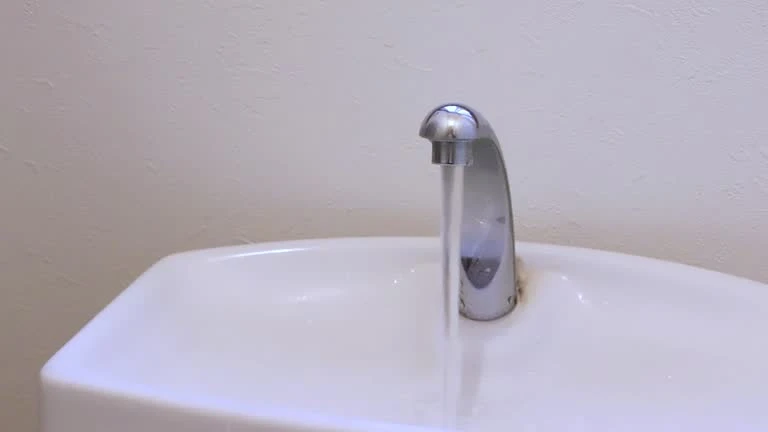
Utility wash basins are essential fixtures in many homes and workplaces, serving a variety of tasks such as washing clothes, cleaning tools, and other chores. Maximizing the efficiency of a utility wash basin ensures that it not only performs its intended tasks well but also saves time, water, and effort. In this article, we will explore ways to improve the efficiency of a utility wash basin through thoughtful design, proper use, and regular maintenance.
Choose the Right Size and Design
The first step in ensuring an efficient utility wash basin is selecting the appropriate size and design for your space. A basin that is too small may make washing bulky items difficult, while one that is too large may take up more space than necessary.
Consider Space Availability
Evaluate the available space before choosing a utility wash basin. A compact model works well for smaller areas, while a larger one may be needed for tasks like washing larger items, such as laundry or tools. Ensure that the basin fits comfortably within the space, allowing enough room for movement and other necessary equipment, like a faucet or storage.
Select the Right Design
Utility wash basins come in various designs, including freestanding models, wall-mounted versions, and undermount designs. Choose a design that aligns with your specific needs and preferences. Wall-mounted basins can save floor space, while undermount basins offer a seamless look and are easier to clean. Consider the depth and width of the basin to ensure it accommodates the items you intend to wash.
Efficient Water Use
Water efficiency is one of the key aspects of improving the utility wash basin’s overall efficiency. By using water wisely, you can reduce your water consumption, lower utility bills, and minimize your environmental impact.
Install Water-Saving Faucets
Installing a low-flow faucet is a simple way to reduce water consumption. Low-flow faucets use aerators that mix air with the water, which reduces the amount of water that flows through the tap without sacrificing performance. This is particularly beneficial for utility wash basins, where water is often used in large quantities for washing or rinsing items.
Use a Flow Regulator
A flow regulator is a device that controls the flow rate of water in the faucet. By installing a flow regulator, you can ensure that water flows at an optimal rate, reducing waste and helping to conserve water. It is especially useful for tasks that require continuous water flow, such as washing large items.
Adjust Water Temperature
Efficient use of hot water can make a significant difference in water consumption. By adjusting the water temperature appropriately for different tasks, you can reduce energy usage. For instance, washing clothes or cleaning tools does not always require hot water. Using warm or cold water for these tasks can save both energy and water.
Streamline the Washing Process
An efficient utility wash basin is not only about water use but also about maximizing the functionality of the basin itself. Streamlining the washing process helps you complete tasks more quickly and with less effort.
Organize Your Washing Area
Efficient use of space around the wash basin can improve the overall washing process. Ensure that you have easy access to items you need, such as cleaning supplies, laundry detergent, or scrubbing brushes. Install shelves or storage near the wash basin to keep these items organized and within reach. This reduces time spent searching for tools or cleaning agents and ensures that you can perform tasks efficiently.
Pre-soak Items
For items that require deep cleaning or heavy scrubbing, pre-soaking them before washing can make the process more efficient. Pre-soaking clothes, for instance, softens stains and grime, making it easier to remove them during the washing process. Using the utility wash basin for pre-soaking helps ensure that the basin is used for multiple purposes, optimizing its functionality.
Use a Drainage System to Minimize Water Usage
Ensure that your utility wash basin has a proper drainage system to allow for quick and efficient water flow. Clogged or slow drainage can waste water, hinder cleaning efforts, and result in a messy workspace. Installing a high-quality drainage system that allows water to flow freely will help you finish washing tasks quickly and effectively.
Regular Maintenance for Efficient Operation
Maintaining the utility wash basin properly is crucial for ensuring that it operates efficiently over time. Regular maintenance prevents issues like blockages, leaks, and drainage problems, which can reduce the basin’s performance.
Clean the Basin Regularly
Keeping the wash basin clean is essential to maintaining its efficiency. Regularly cleaning the basin removes any build-up of dirt, soap scum, or grime, which can affect drainage and overall functionality. Use appropriate cleaning agents for the material of the basin to avoid damage. For example, use a gentle cleaner for stainless steel basins, while porcelain basins may require more specific cleaning solutions.
Check for Leaks
Leaks around the faucet or the plumbing connections under the sink can cause water wastage and hinder the wash basin’s efficiency. Check the faucet, seals, and pipes regularly for any signs of leaks. If you notice any leaks, tighten the fittings or replace the worn-out parts immediately to ensure the basin operates at its best.
Maintain the Drain
A slow or clogged drain can significantly affect the efficiency of a utility wash basin. Regularly check the drain for any signs of clogging and clear out any debris that may have accumulated. Use a drain cleaner or a plumbing snake to remove blockages. In case of persistent issues, consult a plumber to ensure that the drainage system is functioning properly.
Optimize Basin Use with Accessories
Certain accessories can enhance the efficiency of a utility wash basin. These accessories help streamline tasks, conserve water, and make the washing process more efficient.
Install a Faucet Sprayer
A faucet sprayer can improve the efficiency of rinsing items in the basin. It provides a concentrated water stream, which is perfect for cleaning dishes, rinsing clothes, or washing off debris from tools. A sprayer reduces water usage by providing targeted water flow and making the rinsing process faster.
Use a Drain Strainer
Installing a drain strainer helps keep large debris from clogging the drain. It traps soap scum, dirt, and hair, preventing them from entering the drain and causing blockages. A strainer ensures that the basin operates efficiently by keeping the drain clear and preventing water backups.
Consider a Utility Sink Shelf
A utility sink shelf can be a valuable addition to your wash basin setup. This shelf provides extra space for cleaning supplies, laundry baskets, or other tools, keeping everything organized and within reach. By having all necessary items close by, you can work more efficiently and avoid wasting time searching for supplies.
Sustainable and Energy-Efficient Practices
Adopting sustainable practices around the utility wash basin can contribute to long-term efficiency improvements while also reducing your carbon footprint.
Install Energy-Efficient Water Heaters
If you use hot water in your utility wash basin, consider installing an energy-efficient water heater. These heaters use less energy to heat water, providing hot water on-demand without excessive energy consumption. Tankless water heaters are an excellent option as they only heat water when needed, reducing energy waste.
Reuse Water When Possible
In some cases, you may be able to reuse water from your utility wash basin. For example, you can collect water used for washing tools or cleaning tasks and repurpose it for gardening or outdoor cleaning. This practice helps conserve water and promotes sustainable water usage around the home.
IFAN international standard for Utility Wash Basins
IFAN standards include a range of international certifications and specifications such as ASTM 2846, DIN 8079/8080, ASTM F441/F441M SCH80, DIN, GB/T 18993 series, AS/NZS 1477, CSA B137.6, NSF/ANSI 14, and TIS 17-2532/1131-2535, among others. These standards ensure the quality, safety, and reliability of products, aligning with global manufacturing and performance requirements. By adhering to these standards, IFAN guarantees that its products meet rigorous industry benchmarks, ensuring customer satisfaction and compliance with regulatory guidelines across various regions.
Conclusion
Maximizing the efficiency of a utility wash basin is essential for saving time, reducing water consumption, and ensuring that the basin performs well over time. By choosing the right size and design, using water-saving fixtures, and maintaining the basin regularly, you can enhance its performance. Streamlining the washing process, optimizing the use of accessories, and adopting sustainable practices will ensure that your utility wash basin remains efficient and effective in the long run.
Contact
IFAN is a professional manufacturer with of experience, dedicated to producing high-quality plastic pipes, fittings, and valves. Our products include brass valves, PPR valves, as well as various pipes and fittings to meet different customer needs. Whether you need plumbing and drainage pipes or valve products, IFAN can provide a diverse range of high-quality, cost-effective products to support your projects. Below is our contact information.
We will reply your email or fax within 24 hours.
You can call us at any time if there is any question on our production.
For more information,pls visit our webside https://www.ifanplus.com/
Pls Mailto: [email protected]
Whatsapp: + 86 19857948982























