


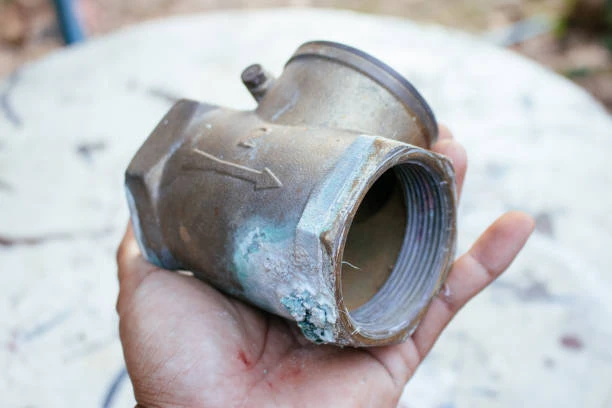
Introduction: A Simple Upgrade That Delivers Big Results
A reliable plumbing system depends on quality components, and even small parts can make a significant difference in long-term performance. Among all available materials, copper plumbing fittings stand out for their strength, durability, and unmatched compatibility. Whether you’re upgrading a residential system or building a commercial installation from scratch, incorporating copper fittings can significantly enhance efficiency, reduce maintenance, and prevent costly failures. This article explains what copper fittings are, how they work, where they’re used, and why they’re a smart investment in any plumbing project.
Frequently Asked Questions (FAQ)
1. What are copper plumbing fittings used for?
They are used to connect, redirect, extend, or seal copper pipes in water, gas, and heating systems.
2. Are copper fittings better than plastic ones?
In many ways, yes. Copper offers greater durability, fire resistance, and long-term reliability, especially in high-pressure or high-temperature systems.
3. Can copper fittings be used for drinking water?
Absolutely. Copper is non-toxic, naturally antimicrobial, and safe for potable water systems.
4. Do copper fittings require special tools?
Yes. Soldering or press tools are often required, but the connections they create are long-lasting and leak-free.
5. How long do copper plumbing fittings last?
Properly installed copper fittings can last over with minimal maintenance.
Definition and Features of Copper Plumbing Fittings
Copper plumbing fittings are mechanical components designed to connect copper pipes and control the direction or flow of water, gas, or other fluids. These fittings are available in various shapes and sizes and are critical for building effective and leak-free piping networks.
Common Types of Copper Fittings
- Elbows: Used to change direction (45° or 90°)
- Tees: Allow flow to split or merge
- Couplings: Join two straight pipe ends
- Reducers: Connect pipes of different diameters
- Caps and plugs: Seal pipe ends
Key Features
- Durability: Copper is strong and resists mechanical damage.
- Corrosion Resistance: It naturally resists internal and external corrosion.
- High Heat Tolerance: Copper remains stable under extreme temperatures.
- Non-Toxic: It does not release harmful chemicals, making it safe for drinking water.
- Fire-Resistant: It won’t burn or release toxic fumes in a fire.
- Eco-Friendly: Copper is 100% recyclable and sustainable.
These features make copper fittings one of the most trusted materials in both traditional and modern plumbing applications.
Common Applications and Industries
Copper plumbing fittings are used across many sectors thanks to their versatility and long-term reliability. From homes to high-rise buildings and industrial sites, they play a central role in fluid systems.
Residential Use
In houses and apartments, copper fittings are widely used for hot and cold water distribution. Their resistance to scale buildup and bacterial contamination makes them especially useful for clean water delivery.
Commercial Buildings
Hotels, hospitals, and schools rely on copper for reliable, long-lasting plumbing. These buildings often use complex systems that demand stable pressure and fire-safe materials.
Industrial Facilities
Factories and processing plants use copper fittings in heating, cooling, and pressurized water lines. Their durability under high-stress conditions supports uninterrupted operations.
HVAC and Heating Systems
Copper’s thermal conductivity makes it a natural choice for boilers, radiators, and underfloor heating systems. The fittings maintain flow without leaks, even during frequent temperature changes.
Fire Protection and Safety Systems
Due to their flame resistance, copper fittings are ideal in sprinkler systems or other safety-related piping applications.
These use cases highlight copper’s value across many industries, from daily water use to life-safety systems.
Buying Guide: How to Choose the Right Copper Fittings
Making the right purchase means understanding your system’s needs and matching them with the appropriate fitting type and quality level.
1. Understand Copper Grades
- Type K: Thick-walled and strong; used for underground or high-pressure lines.
- Type L: Medium wall thickness; suitable for most residential and commercial use.
- Type M: Thin-walled; acceptable for interior low-pressure systems.
2. Select the Right Shape and Function
- Use elbows to change pipe direction.
- Install tees when you need to split or combine flow.
- Choose reducers to transition between pipe sizes.
- Apply caps to end unused sections.
3. Connection Methods
- Solder (sweat) fittings: Require heat and flux for sealing.
- Press-fit fittings: Use specialized tools for clean, fast connections.
- Push-fit fittings: Ideal for quick installations or tight spaces—no tools needed.
4. Certifications to Look For
- NSF/ANSI 61 for drinking water safety
- ASTM B88 for copper tubing compatibility
- UPC, CSA, or ISO approvals for building code compliance
5. Visual and Physical Inspection
Always check for:
- Smooth inner and outer surfaces
- Uniform wall thickness
- Manufacturer stamps for type and size
- Clean, defect-free construction
By selecting certified, high-quality fittings and the correct type for your needs, you ensure long-term reliability and minimal maintenance.
Improve Your System with Copper Plumbing Fittings
Using copper plumbing fittings can significantly upgrade the quality, safety, and performance of your piping system. Here’s how:
Enhanced Longevity
Copper fittings are built to last. Their resistance to chemical corrosion, physical wear, and extreme temperatures ensures decades of performance without major repairs.
Leak-Free Performance
Properly installed copper fittings create tight seals that resist leaks even under high pressure. Soldered joints form strong bonds, and press-fit connections maintain consistent sealing strength.
Energy Efficiency
In hot water systems, copper’s excellent thermal conductivity helps maintain water temperature, reducing energy loss and improving system efficiency.
Safety and Fire Protection
Copper doesn’t melt or emit toxic smoke during fires, making it a safer choice than plastic alternatives. It is especially suitable for buildings with strict safety requirements.
Reduced Maintenance
Copper plumbing systems require minimal maintenance. Unlike plastic, copper doesn’t degrade under UV exposure or become brittle over time.
Environmental Responsibility
Copper is 100% recyclable. Using copper fittings supports sustainability and helps reduce environmental impact in construction and renovation projects.
In all these ways, copper fittings deliver long-term improvements that justify the investment—especially in systems that demand reliable performance and safety.
Comparison Table: Copper vs. Other Plumbing Fittings
Here’s a detailed comparison between copper fittings and other common types:
| Feature | Copper Fittings | PEX Fittings | PVC Fittings | Galvanized Steel |
|---|---|---|---|---|
| Durability | Excellent (50+ yrs) | Good (25–40 yrs) | Moderate (20–30 yrs) | Good (30–50 yrs) |
| Leak Resistance | Very High | High | Moderate | High |
| Pressure Handling | Excellent | Moderate | Low to Moderate | High |
| Heat Tolerance | Very High | Moderate | Low | Moderate |
| Fire Resistance | Excellent | Poor | Very Poor | Moderate |
| Health Safety | Excellent | Good | Moderate | Moderate |
| Installation Skill | Moderate | Easy | Easy | Difficult |
| Environmental Impact | Low (fully recyclable) | Moderate | High (non-recyclable) | High |
| Initial Cost | Higher | Moderate | Lower | Moderate |
This table shows why copper fittings remain a top choice when system performance, durability, and safety are priorities.
Conclusion: Invest in Long-Term Plumbing Success
Choosing copper plumbing fittings is more than a technical decision—it’s a smart investment in your system’s future. With their exceptional strength, leak resistance, safety profile, and eco-friendly qualities, copper fittings outperform most alternatives in nearly every category.
Whether you’re designing a new system or upgrading an old one, copper offers clear advantages in reliability and lifespan. Although they may cost more initially, the long-term savings on repairs, water damage, and replacements make copper fittings the more economical choice in the end.
So if you’re planning to enhance your plumbing system, consider copper fittings as the foundation of leak-free, high-performance infrastructure. Their proven track record ensures your system will run efficiently, safely, and reliably for decades.
Contact IFAN for Catalogs and Samples
Need technical documents, catalogs, or sample products? Reach out to IFAN today.
📧 Email: [email protected]
📱 Whatsapp: +86 19857948982
Our team responds quickly and provides professional support for all your pipeline needs.
IFAN international standard
IFAN piping systems comply with a wide range of international standards to ensure high quality and performance. These include ASTM F1974 and ASTM F1281 for multilayer piping systems, CSA B137 for Canadian plumbing applications, DIN 16836 for German technical specifications, GB18997 for Chinese standards, and ISO 21003, which covers multilayer piping systems used for hot and cold water installations. This broad certification scope highlights IFAN’s commitment to global compliance and product reliability.























