


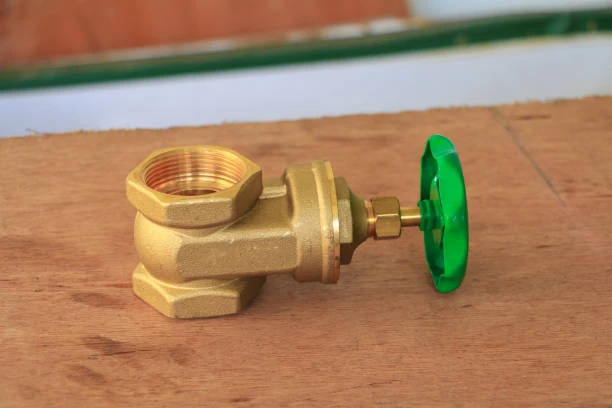
Selecting the right piping gate valve is essential for ensuring efficient fluid control in any piping system. From municipal water supply lines to industrial process systems, choosing the proper valve improves safety, system reliability, and long-term performance. In this article, we will explore what a piping gate valve is, its main features, where it is used, how to choose the right one, and how it compares to other valves on the market.
Frequently Asked Questions (FAQ)
1. What is a piping gate valve used for?
A piping gate valve controls the flow of liquids or gases by opening or closing a gate inside the valve body. It is typically used for on/off flow control.
2. Is a gate valve suitable for throttling?
No. Gate valves are not designed for regulating flow. They work best in fully open or fully closed positions.
3. Which industries commonly use piping gate valves?
Industries such as oil and gas, water treatment, fire protection, power generation, and construction rely on gate valves for reliable fluid control.
4. What materials are available for gate valves?
Common materials include brass, stainless steel, cast iron, ductile iron, and bronze, depending on the application and fluid type.
5. How do I choose the right gate valve size?
Always match the valve size to the pipe size, system pressure, and flow requirements to ensure proper fit and performance.
Definition and Key Features
A piping gate valve is a mechanical valve used to start or stop the flow of fluid in a piping system. It operates by raising or lowering a gate that slides in and out of the flow path. The gate movement is controlled by a threaded stem connected to a handwheel or actuator.
Main Features
- Unobstructed Flow: When fully open, the gate valve allows fluid to pass through with minimal resistance.
- Low Pressure Drop: Its design maintains steady flow, making it suitable for long-distance pipelines.
- Reliable Shutoff: The gate closes tightly to prevent leakage, even under high-pressure conditions.
- Versatile Installation: Available in multiple connection types like flanged, threaded, and welded.
- Wide Range of Sizes: Gate valves are available from half an inch to several feet in diameter.
These features make the gate valve one of the most trusted components in pipeline infrastructure across many industries.
Common Applications and Industry Use
The piping gate valve finds application in various industries due to its dependability and simple structure. It is best suited for systems where the valve is not frequently operated but must perform consistently when needed.
Water Supply and Treatment
In municipal water systems, gate valves isolate sections of pipe during maintenance or emergencies. Their full-bore design ensures steady flow without causing significant pressure loss.
Oil and Gas Industry
In petroleum production and transport, gate valves control crude oil, natural gas, and refined products. Their ability to seal tightly under pressure makes them valuable in critical environments.
Fire Protection Systems
Gate valves play an essential role in fire sprinkler systems and hydrant lines. They are used to isolate parts of the system during testing, maintenance, or emergencies.
Industrial Manufacturing
From chemical plants to paper mills, many industries depend on gate valves for fluid transport and processing. Their high-pressure resistance and durability are key benefits.
Power Generation
Power plants, including thermal and hydroelectric facilities, use gate valves for managing water and steam in boiler and turbine systems.
Buying Guide: Choosing the Right Gate Valve
To select the right piping gate valve, you need to evaluate your system’s technical needs, environmental conditions, and long-term maintenance goals. Consider the following key aspects:
1. Valve Material
- Brass: Corrosion-resistant and ideal for residential water systems.
- Stainless Steel: Suitable for high-pressure and corrosive environments like chemical plants.
- Cast Iron: Economical and durable for water and non-corrosive fluids.
- Ductile Iron: Offers strength and flexibility, suitable for buried pipelines.
- Bronze: Excellent for marine applications due to saltwater resistance.
2. Valve Size and Flow Rate
Select a valve that matches your pipeline diameter. Check the flow rate and system pressure to ensure the valve handles the expected fluid volume without restricting flow.
3. Operating Pressure and Temperature
Always confirm the pressure rating and temperature limits. Use valves rated above your system’s maximum operating pressure for added safety.
4. Stem Type
- Rising Stem: Shows valve position clearly and is easier to maintain.
- Non-Rising Stem: Compact design suitable for underground or tight-space installations.
5. End Connections
- Flanged: Provides a strong, secure connection in industrial systems.
- Threaded: Easier to install in smaller, lower-pressure systems.
- Welded: Ensures leak-free performance in high-pressure pipelines.
6. Certification and Standards
Choose valves that meet recognized standards to ensure quality and reliability:
- ANSI (American National Standards Institute)
- API (American Petroleum Institute)
- ISO (International Organization for Standardization)
- NSF (National Sanitation Foundation)
- UL/FM (for fire protection systems)
Certified valves ensure performance, safety, and compatibility with your system.
How to Select the Right Piping Gate Valve
Selecting the right piping gate valve means balancing technical requirements, budget, and long-term system demands. Follow these steps:
Step 1: Know Your System Parameters
Identify your system’s fluid type, operating pressure, temperature range, and flow rate. These factors determine what material, size, and type of valve you need.
Step 2: Choose the Correct Material
Match the valve material with the chemical properties of the fluid and environmental exposure. For example, stainless steel handles acids, while bronze suits saltwater.
Step 3: Pick the Right Size and Connection
Ensure the valve diameter matches the pipe. Also, choose an end connection that fits your system’s installation method—threaded for small jobs, flanged or welded for large-scale systems.
Step 4: Consider Operation Type
Manual valves are common for occasional use. For automated systems or remote control, consider valves with electric or pneumatic actuators.
Step 5: Evaluate Certification Needs
If your system handles drinking water, fire protection, or hazardous chemicals, verify that your chosen valve meets all regulatory standards.
By going through these steps, you can confidently choose a gate valve that fits both your technical and operational needs.
Piping Gate Valve vs Other Valves
Here is a comparison to help understand how the piping gate valve differs from other common valve types:
| Feature | Piping Gate Valve | Ball Valve | Globe Valve | Butterfly Valve |
|---|---|---|---|---|
| Flow Control | On/Off | On/Off | Regulating | On/Off |
| Flow Resistance | Low | Very Low | Medium | Low |
| Throttling Suitability | Poor | Poor | Excellent | Fair |
| Installation Space | Large (vertical) | Compact | Moderate | Compact |
| Shutoff Quality | High | Very High | High | Medium |
| Best Application | Long pipelines | Quick shutoff | Flow adjustment | Wide pipes |
| Maintenance Need | Low | Low | Moderate | Low |
| Actuation Speed | Slow | Fast | Moderate | Fast |
This table shows that the piping gate valve is ideal for systems needing full shutoff, while other valves may be better for fast action or fine flow control.
Conclusion
Choosing the right piping gate valve is not just a technical decision—it is a long-term investment in your system’s reliability and performance. Understanding the valve’s design, its materials, application areas, and compatibility with your system allows for smarter choices and fewer maintenance issues in the future.
From water supply lines to complex industrial systems, the piping gate valve remains a proven, efficient, and trusted solution. By following this guide and asking the right questions, you can ensure that the valve you choose delivers maximum performance, durability, and safety in every application.
Contact IFAN for Catalogs and Samples
Need technical documents, catalogs, or sample products? Reach out to IFAN today.
📧 Email: [email protected]
📱 Whatsapp: +86 19857948982
Our team responds quickly and provides professional support for all your pipeline needs.
IFAN international standard
IFAN piping systems comply with a wide range of international standards to ensure high quality and performance. These include ASTM F1974 and ASTM F1281 for multilayer piping systems, CSA B137 for Canadian plumbing applications, DIN 16836 for German technical specifications, GB18997 for Chinese standards, and ISO 21003, which covers multilayer piping systems used for hot and cold water installations. This broad certification scope highlights IFAN’s commitment to global compliance and product reliability.























