


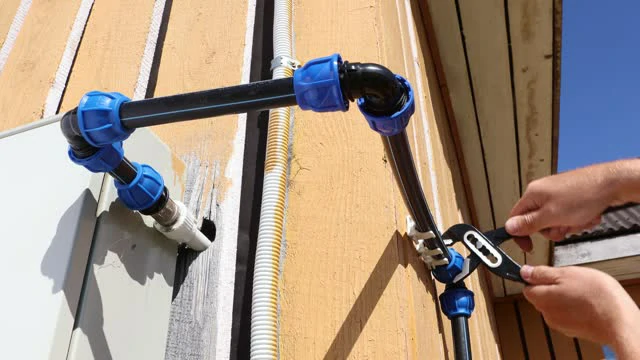
Introduction:
Embark on a journey into the world of High-Density Polyethylene (HDPE) pipe fittings, unraveling the intricacies of installation to empower both novices and seasoned professionals. Explore the unique features, advantages, and the unparalleled value these fittings bring to construction project
Section 1: Demystifying HDPE Pipe Fittings
Essence of HDPE Fittings:
Dive into the core essence of HDPE fittings, understanding how they form the backbone of modern plumbing and fluid conveyance systems.
Understanding HDPE and Its Comparison to PVC
HDPE, or high-density polyethylene, is a highly versatile type of plastic. It’s known for its robust nature and resistance to corrosion, which makes it an excellent choice for water pipes. Unlike some other plastics, HDPE can handle higher temperatures without melting, making it a reliable option in various environments.
HDPE vs. PVC: Key Differences
While HDPE and PVC are both popular materials for piping, they have distinct differences that influence their suitability for specific applications:
- Temperature Resilience: HDPE shines in areas with freezing or cold weather. Its flexibility allows it to withstand temperatures that might cause other pipes, like PVC, to crack.
- Cost Considerations: Generally, HDPE offers a more cost-effective solution compared to PVC. However, the choice may depend on your specific needs and environmental conditions.
- Chemical Resistance: Both HDPE and PVC are safe when installed properly, but PVC has an edge in resisting chemicals found in common cleaning products like bleach or laundry detergent. This makes it a preferred choice for environments where such exposure is frequent.
Application Preferences
- Cold Water Systems: HDPE is the material of choice if you’re primarily dealing with cold water systems, thanks to its flexibility and durability in adverse weather.
- Hot Water Systems: If your piping needs involve hot water or steam, PVC may be the better option due to its ability to handle high-pressure hot water without bursting.
Ultimately, the decision between HDPE and PVC should be based on your specific application requirements, environmental conditions, and long-term durability needs. Consult with a professional for the best advice tailored to your situation.
Section 2: Unveiling the Features of HDPE Pipe Fittings
Modular Precision:
Explore the modular precision of HDPE fittings, highlighting their ability to fit seamlessly into diverse project requirements with precision and ease.
Durability at its Core:
Delve into the durability of HDPE fittings, emphasizing their resilience to environmental factors and wear, ensuring a prolonged service life.
Section 3: Advantages of Opting for HDPE Pipe Fittings
Swift Installation:
Showcase the swift installation process of HDPE fittings, underscoring how they streamline construction timelines and minimize project downtime.
Leak-Proof Assurance:
Illustrate the leak-proof nature of HDPE fittings, elucidating how their jointing mechanisms guarantee airtight connections, minimizing the risk of leaks.
Section 4: Step-by-Step Guide to Installing HDPE Pipe Fittings
Pre-Installation Checks:
Guide readers through essential pre-installation checks, emphasizing the importance of inspecting fittings, pipes, and ensuring compatibility.
Materials and Tools Required for Installing an HDPE Pipeline
Essential Materials:
- HDPE Pipes and Fittings:
- The quantity will depend on your specific installation needs. It’s crucial to measure your installation area accurately. Consider measuring the entire distance and add an extra 10 feet to accommodate any unforeseen errors or damages.
- Use a measuring tape to determine how many sections are needed. Be sure to consider any curves or bends in your layout which may require additional fittings.
- Valves:
- Valves control flow and pressure in your pipeline. Typically, you should have one valve for approximately every 1000 feet (around 300 meters). Adjust according to your specific system requirements.
Recommended Tools:
- Measuring Tape:
- To accurately measure the area where the pipeline will be laid out. Make sure it’s at least as long as the longest section of pipe you plan to install.
- Pipe Cutter or Saw:
- Designed to cut through HDPE material cleanly. Ensure it can handle the diameter of the pipes you’re using.
- Welding Machine or Fusion Tools:
- These are necessary for connecting pipe sections securely. Follow the manufacturer’s guidelines to ensure a solid bond.
- Wrenches and Screwdrivers:
- Essential for fastening joints and securing fittings and valves. Ensure they match the size of your specific components.
- Safety Gear:
- Gloves and safety goggles are essential for protecting yourself while cutting and installing.
Preparation with the right materials and tools is critical to ensuring a successful HDPE pipeline installation. Double-check your checklist before beginning work to avoid any delays or interruptions during the process.
Cutting and Beveling:
Detail the process of cutting and beveling HDPE pipes and fittings, ensuring precision and accuracy for seamless connections.
Jointing Techniques:
Explore various jointing techniques for HDPE fittings, ranging from butt fusion to electrofusion, providing insights into when each method is most appropriate.
To ensure that HDPE pipeline joints are even and secure, start by placing a straight edge across the joint to check for evenness. If the joint is not aligned, use a reamer to make the necessary adjustments. Follow this by using a metal file to smooth and flatten the edges where the cut was made.
Once the edges are prepared, place the pipe into a vice and bend it until it touches itself on both sides of the cut, ideally forming a near 90-degree angle. This step is crucial for achieving the right alignment before proceeding with jointing techniques like butt fusion.
Securing the Fittings
After the initial alignment, attach a clamp to each side of the fitting. Use a screwdriver to tighten the clamps, ensuring they are secure with no wiggle room. This stability is essential before moving on to methods like electrofusion.
Finally, verify the straightness of your joints by holding them against a level surface. If any joints appear misaligned, employ a reamer or pipe cutter to trim protruding material until the joint fits seamlessly with other fittings. This careful preparation ensures that each joint is not only secure but also evenly aligned, setting the stage for successful fusion techniques.
Quality Control Measures:
Stress the significance of quality control during installation, ensuring compliance with industry standards and guaranteeing the longevity of the piping system.
Section 5: Troubleshooting and Maintenance
Common Installation Challenges:
Address common challenges encountered during HDPE fitting installation and provide practical solutions for effective troubleshooting.
Proactive Maintenance Tips:
Empower readers with proactive maintenance tips, ensuring the sustained performance of their HDPE pipe fittings over time.
Conclusion:
Summarize the key takeaways, emphasizing the simplicity and efficiency of installation HDPE pipe fittings. Reiterate the transformative impact these fittings can have on construction projects.
Call to Action:
Encourage readers to implement their newfound knowledge by opting for HDPE pipe fittings in their projects. Provide resources for further information, consultation, and assistance in seamlessly integrating HDPE fittings into their construction endeavors. Master the art of HDPE fitting installation and revolutionize your piping systems for a durable and efficient future.
Contact
We will reply your email or fax within 24 hours.
You can call us at any time if there is any question on our production.
For more information,pls visit our webside https://www.ifanplus.com/
Pls Mailto: [email protected]
Whatsapp: + 86 19857948982
FAQS
What are the steps to ensure proper joint connections in HDPE pipelines?
Jointing Techniques:
Explore various jointing techniques for HDPE fittings, ranging from butt fusion to electrofusion, providing insights into when each method is most appropriate.
Steps to Ensure Proper Joint Connections
When installing HDPE pipelines, ensuring secure and even joint connections is crucial for system integrity and performance. Here’s a comprehensive guide to achieving flawless joints:
- Join Pipes with Appropriate Fittings
Begin by selecting the right fitting for your pipes. Secure the fitting using clamps to hold the pipes in place. This ensures that the connection remains stable during the installation process. - Remove Burrs for a Smooth Connection
Use a reamer to carefully remove any burrs around the joints. This step is essential to prevent obstructions and ensure a smooth flow through the pipeline. - Check Joint Evenness
Place a straight edge across the joint to verify that it is even. If discrepancies are found, use a reamer to adjust the joint or employ a metal file to smooth down any uneven edges.
By meticulously following these steps, you can guarantee that your HDPE pipeline joints are not only secure but also aligned for optimal performance.
What are the benefits of using HDPE piping for underground plumbing systems?
Swift Installation
Showcase the swift installation process of HDPE fittings, underscoring how they streamline construction timelines and minimize project downtime. This efficiency is particularly advantageous for projects requiring quick turnarounds, ensuring that disruptions are kept to a minimum.
Leak-Proof Assurance:
Illustrate the leak-proof nature of HDPE fittings, elucidating how their jointing mechanisms guarantee airtight connections, minimizing the risk of leaks. This reliability is crucial for maintaining system integrity over time, especially in high-pressure environments.
Durability and Flexibility
HDPE pipes boast exceptional durability, capable of withstanding harsh environmental elements. Their flexibility allows them to adapt to various underground layouts, making them an ideal choice for diverse plumbing applications. This adaptability ensures that the pipes can navigate through complex systems without compromising structural integrity.
How do you inspect and prepare the edges of HDPE pipes for installation?
Cutting and Beveling:
Detail the process of cutting and beveling HDPE pipes and fittings, ensuring precision and accuracy for seamless connections. To start, inspect the pipe thoroughly. Shine a light down the length of the pipe to identify any defects or irregularities. If you spot any issues, address and remove them before proceeding.
Once the adhesive is applied, focus on beveling both ends of the pipeline. Use a reamer to carefully remove any burrs from the ends. Beveling eliminates sharp edges, which could compromise the integrity of the connection and lead to leaks. This step not only enhances the durability of the pipeline but also improves water flow, ensuring your system operates efficiently.
How do you prepare and assemble HDPE pipes and fittings?
Pre-Installation Checks
Guide readers through essential pre-installation checks, emphasizing the importance of inspecting fittings, pipes, and ensuring compatibility. Begin by gathering all necessary supplies: pipes, fittings, and valves. Measure your installation area accurately and purchase an extra 10 feet of pipe to account for potential errors. Ensure you have one valve for every 1000 feet of pipeline.
Clamp Placement
Before joining pipe sections, place clamps at each end. Secure them firmly to support the weight of liquids in the pipes. Ensure clamps are also in place before attaching fittings.
Final Assembly Checks
Attach clamps to each side of the fittings, and tighten them using a screwdriver. Check alignment with a level surface to ensure straightness. If needed, trim protruding material for a perfect fit. These comprehensive steps ensure a robust and reliable HDPE pipeline installation.
Is installing an HDPE pipeline easy for someone with basic plumbing skills?
Summarize the key takeaways, emphasizing the simplicity and efficiency of installing HDPE pipe fittings. Reiterate the transformative impact these fittings can have on construction projects.
Its flexibility makes it adaptable for a wide range of applications, from underground plumbing systems in your yard to more complex construction projects. The strength of HDPE pipes means they can handle high pressures, minimizing the risk of leaks or bursts over time. This reliability adds to the ease of installation, making HDPE an excellent choice for those looking to undertake projects without professional assistance.
By choosing HDPE, you’re not just simplifying the installation process; you’re also enhancing the overall efficiency and effectiveness of your plumbing systems.























