


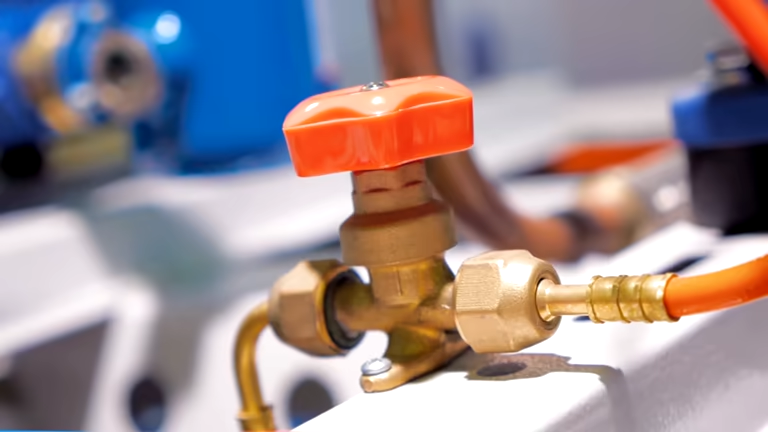
A brass gate valve plays a critical role in fluid control systems by allowing users to fully open or completely shut off water, gas, or oil flow. However, even the most reliable valve will not function properly if it is not installed correctly. Proper installation ensures long-term performance, prevents leaks, and enhances system safety. In this article, we explain how to install a brass gate valve the right way, covering everything from basic valve features and applications to buying tips, comparisons, and common questions.
Frequently Asked Questions (FAQ)
1. What tools do I need to install a brass gate valve?
You will need pipe wrenches, sealing tape or thread sealant, a pipe cutter (if needed), and the correct size valve.
2. Can I install a brass gate valve on both metal and plastic pipes?
Yes, you can, but always use the proper adapters. Brass threads should not connect directly to PVC without a transition fitting.
3. Does the valve direction matter during installation?
Yes. Always install the valve with the flow direction matching the arrow marked on the valve body.
4. Should I use sealing tape on threaded brass gate valves?
Yes, applying PTFE tape or pipe dope to the male threads helps prevent leaks and ensures a tight seal.
5. How do I test the valve after installation?
Once installed, open the water supply slowly and inspect the connections for leaks while cycling the valve open and closed.
What Is a Brass Gate Valve?
A brass gate valve is a manually operated valve that regulates the flow of a fluid by lifting or lowering a metal gate inside the valve body. When fully raised, the gate allows a free-flowing passage. When lowered, it fits snugly into the seat to block flow entirely. This type of valve is not intended for throttling flow but rather for full on/off control.
Brass is the preferred material because of its excellent corrosion resistance, mechanical strength, and ability to withstand both high pressure and temperature. These properties make brass gate valves a common choice in plumbing, industrial, and irrigation systems.
Key Features of Brass Gate Valves
- Strong body construction that withstands pressure up to 200 psi
- Resistant to rust and mineral scaling, especially in water systems
- Easy to install with threaded connections such as NPT or BSP
- Long-lasting stem and gate mechanism for reliable open/close function
- Compatible with both hot and cold water, oil, air, and non-aggressive chemicals
- Available in rising and non-rising stem types, suitable for various space constraints
These features contribute to the valve’s popularity and effectiveness in a wide variety of flow control applications.
Common Applications and Industries
Brass gate valves are used in many systems where flow isolation is required. Their durability and versatility allow them to serve across multiple sectors.
Residential Plumbing
Homeowners install brass gate valves to isolate plumbing zones or as main shut-off valves. They are commonly found in basements, outdoor spigots, and near water meters.
Commercial Buildings
Building engineers use them in mechanical rooms and water distribution lines to manage and isolate sections of plumbing during repairs or emergencies.
Agriculture and Irrigation
Brass gate valves regulate water flow in agricultural systems, allowing farmers to control irrigation zones effectively.
Industrial Equipment
Factories use brass gate valves for low- to medium-pressure applications where water, air, or oil needs to be turned off or redirected.
HVAC Systems
In heating and cooling systems, brass gate valves are installed to control water circulation or isolate units for maintenance purposes.
These valves are chosen for their ability to function in a variety of fluid systems under different environmental conditions.
Buying Guide: How to Select the Right Brass Gate Valve
Choosing the right brass gate valve before installation ensures performance and compatibility with your system. Below are the most important factors to consider.
Pipe Size Compatibility
Check your pipe diameter and select a valve that matches it—common sizes include ½”, ¾”, 1″, and 2″.
Thread Type
Choose between NPT (common in North America) or BSP (used internationally). Mismatched threads can cause leaks or installation problems.
Stem Type
Rising stems give a visible indicator of valve position, while non-rising stems are more compact and ideal for tight spaces.
Pressure Rating
Most brass gate valves handle 125 to 200 psi. Confirm this aligns with your system’s maximum operating pressure.
Certification
For drinking water applications, look for NSF or other certifications that confirm the valve meets safety standards for potable water.
Handle and Body Quality
Select a valve with a strong, ergonomically designed handle, preferably made of aluminum or zinc-coated steel. The valve body should have a smooth finish and clear markings.
Lead-Free or Low-Lead Options
For residential and potable water use, make sure the brass used is certified as low-lead or lead-free to comply with regulations and ensure health safety.
How to Install a Brass Gate Valve Correctly
Now that you’ve selected the proper valve, follow these steps for safe and successful installation.
Step 1: Turn Off the System
Before beginning, shut off the main water supply or depressurize the pipe. Drain any remaining fluid in the system to prevent spills.
Step 2: Prepare the Pipes
Clean the pipe ends thoroughly. If you are replacing an old valve, remove it with a pipe wrench and inspect the threads or pipe surfaces for damage.
Step 3: Apply Sealant
Wrap PTFE tape around the male threads of the pipe or use pipe joint compound. This ensures a tight, leak-proof seal between threads.
Step 4: Position the Valve
Align the brass gate valve with the flow direction (follow the arrow on the valve body). Thread the valve onto the pipe by hand, then tighten it with a wrench. Avoid over-tightening to prevent cracking the brass.
Step 5: Test the Valve
Once installed, slowly turn on the main water or fluid source. Check for leaks at the connection points. Open and close the valve a few times to confirm smooth operation.
Step 6: Secure the Area
If the valve is in an exposed location, consider installing insulation or a valve box to protect it from weather or mechanical damage.
Proper installation not only guarantees optimal performance but also reduces the risk of leaks, pressure loss, or premature valve failure.
Brass Gate Valve vs. Other Valve Materials
To better understand the advantages of brass, compare it with other common valve materials used for similar purposes.
| Feature | Brass Gate Valve | PVC Valve | Stainless Steel Valve | Cast Iron Valve |
|---|---|---|---|---|
| Durability | High | Moderate | Very High | High |
| Corrosion Resistance | Excellent | Excellent (for water) | Excellent | Moderate |
| Pressure Rating | 125–200 psi | 60–100 psi | Up to 600 psi | 150–300 psi |
| Temperature Tolerance | -20°C to 120°C | 0°C to 60°C | -50°C to 250°C | -10°C to 200°C |
| Installation Ease | Easy | Easy | Moderate | Hard |
| Cost | Moderate | Low | High | Moderate |
| Weight | Medium | Light | Heavy | Very Heavy |
From this comparison, brass gate valves emerge as a practical middle-ground option. They offer better performance and resistance than plastic, without the high cost of stainless steel.
Conclusion
Installing a brass gate valve correctly ensures reliable operation and extends the lifespan of your plumbing or fluid system. By understanding its features, applications, and how to choose the right model, you can avoid costly mistakes and ensure safe fluid control. The steps outlined in this guide provide a straightforward process for proper installation, whether you’re working on a residential, commercial, or industrial system.
Brass gate valves deliver a strong balance between cost, durability, and performance. Their wide application range, ease of use, and dependable shutoff ability make them a smart investment for any fluid control system.
For any installation, always verify sizing, thread type, pressure rating, and certification. With the right tools and a careful approach, installing a brass gate valve becomes a simple yet impactful upgrade to your system.
Contact IFAN for Catalogs and Samples
Need technical documents, catalogs, or sample products? Reach out to IFAN today.
📧 Email: [email protected]
📱 Whatsapp: +86 19857948982
Our team responds quickly and provides professional support for all your pipeline needs.
IFAN international standard
IFAN piping systems comply with a wide range of international standards to ensure high quality and performance. These include ASTM F1974 and ASTM F1281 for multilayer piping systems, CSA B137 for Canadian plumbing applications, DIN 16836 for German technical specifications, GB18997 for Chinese standards, and ISO 21003, which covers multilayer piping systems used for hot and cold water installations. This broad certification scope highlights IFAN’s commitment to global compliance and product reliability.























