


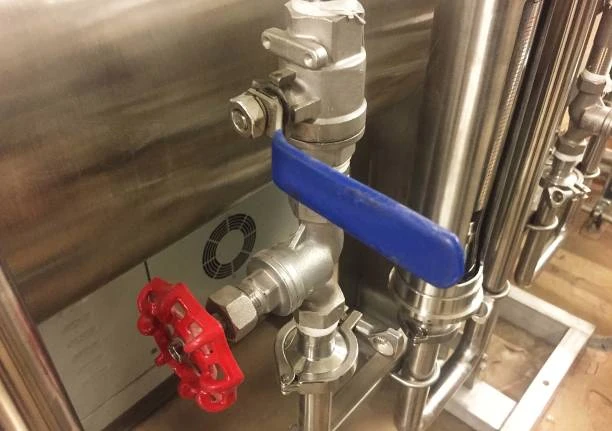
Installing a 4 inch gate valve the right way ensures efficient flow control, reduces future maintenance needs, and enhances system safety. This valve plays a vital role in many piping systems, especially those that carry water, chemicals, or gas. To avoid leaks, misalignment, or performance issues, professionals must follow proper installation techniques. In this article, you will discover how to correctly and safely install a 4 inch gate valve, while also learning about its key features, common uses, and important selection criteria.
Frequently Asked Questions (FAQ)
1. Why is proper installation important for a 4 inch gate valve?
Correct installation prevents leaks, avoids pressure loss, and ensures the valve operates efficiently for a long time.
2. What tools do I need for installing a 4 inch gate valve?
You’ll need pipe wrenches, a torque wrench, sealing tape or compound, gaskets, flange bolts (if flanged), and safety gear.
3. Can I install a gate valve in any flow direction?
Yes, most gate valves allow bidirectional flow, but it’s best to follow the manufacturer’s flow markings when available.
4. Do I need to support the valve during installation?
Absolutely. Supporting the valve prevents stress on the pipeline and avoids damage to the valve body and connections.
5. Is it safe to install a 4 inch gate valve alone?
Due to its size and weight, it’s safer to perform the installation as a team or with lifting equipment.
Definition and Key Features of a 4 Inch Gate Valve
A 4 inch gate valve controls the flow of fluids within a pipeline that has a nominal 4 inch diameter. It uses a gate or wedge that moves vertically to either allow full flow or shut it off entirely. When fully open, it creates a straight-through path with minimal resistance.
Key Features
- Full bore design
This design ensures the fluid passes with minimal turbulence or pressure drop. - Sturdy construction
Manufacturers often build the valve from cast iron, stainless steel, brass, or durable plastics to handle pressure and wear. - Manual and automatic control
You can operate it manually using a handwheel or automate it with an electric or pneumatic actuator. - Wide compatibility
It suits a variety of fluids including water, oil, steam, and certain chemicals. - Bidirectional flow
The valve can handle fluid from either direction, making installation more flexible.
Because of these features, engineers frequently use this valve in both commercial and industrial environments.
Common Uses and Industries
Thanks to its durability and size, the 4 inch gate valve supports a broad range of applications. Below are some of the industries and systems where this valve adds the most value:
Water Distribution Systems
Municipalities use it to isolate zones in water supply networks. This helps operators perform repairs without shutting down the entire system.
Industrial Processing Plants
Plants dealing with chemicals, paints, or food-grade liquids rely on gate valves for safe, large-volume flow control.
Oil and Gas Industry
In pipelines and refineries, technicians install gate valves to manage petroleum-based fluids under varying pressures.
Fire Protection Systems
4 inch gate valves often regulate flow in fire sprinkler setups where reliable on/off control is vital for safety.
HVAC Systems
Mechanical contractors install these valves in heating and cooling systems, especially in large buildings with complex networks.
As a result of their reliability and straightforward operation, gate valves remain a go-to solution across many sectors.
Buying Guide: How to Choose the Right 4 Inch Gate Valve
Selecting the right gate valve requires more than just picking the correct size. You need to evaluate the operating environment, pressure conditions, and the type of fluid. Let’s go over the most important aspects to consider:
1. Material
- Cast iron offers affordability and strength for water systems.
- Brass and bronze resist corrosion and suit potable water and mild chemicals.
- Stainless steel works best with corrosive or high-temperature fluids.
- PVC or CPVC is ideal for lightweight and chemical-resistant applications.
2. Stem Type
- Rising stem valves give a visible indication of the open or closed status.
- Non-rising stem valves save vertical space and work well underground.
3. Sealing and Seat Type
- Soft seats seal tightly but work best at moderate temperatures.
- Metal seats resist extreme temperatures and abrasive fluids.
4. End Connections
- Choose flanged ends for easy removal and maintenance.
- Opt for threaded or grooved ends if space and time are limited.
5. Certification
Always verify certifications such as ANSI, API, or NSF to ensure compliance with local and international standards.
By focusing on these points, you can confidently select a valve that performs well and lasts long in your specific environment.
How to Install a 4 Inch Gate Valve Properly and Safely
Installing a 4 inch gate valve may seem straightforward, but attention to detail is crucial. Follow these steps to ensure a proper and secure installation.
Step 1: Inspect the Valve and Piping
Before anything else, inspect the valve for defects. Look for cracks, debris, or corrosion. Also, make sure the piping is clean, aligned, and free of pressure.
Step 2: Prepare the Connection Points
Clean the flange faces or pipe threads. If using a flanged valve, align the gasket and bolt holes. For threaded ends, apply sealing compound or Teflon tape to prevent leakage.
Step 3: Position and Support the Valve
Place the valve between the pipe ends carefully. Support the valve body using blocks, straps, or lifting tools. Avoid putting strain on the valve or pipe.
Step 4: Secure the Valve
- For flanged valves: Insert bolts and tighten them diagonally in stages to distribute pressure evenly.
- For threaded valves: Turn the valve slowly into the pipe, avoiding over-tightening which can crack the valve body.
Step 5: Check Alignment and Clearance
Ensure the valve stem and handwheel have enough space to operate freely. Check that the valve sits squarely and that no part is under stress.
Step 6: Perform a Leak Test
After installation, pressurize the system slowly and check for leaks. If you notice any, re-tighten the bolts or connections and repeat the test.
Step 7: Document and Tag
Finally, label the valve with relevant information like the flow direction, date of installation, and service type for future reference.
By following these steps, you can avoid installation mistakes and ensure long-term valve reliability.
Comparison: 4 Inch Gate Valve vs. Other Valves
Let’s now see how the 4 inch gate valve compares with other commonly used valves:
| Feature | 4 Inch Gate Valve | 4 Inch Ball Valve | 4 Inch Butterfly Valve |
|---|---|---|---|
| Flow Restriction | Very low | Low | Moderate |
| Suitable For | On/off operation | Quick shutoff | Large volume, low pressure |
| Space Requirements | High | Medium | Low |
| Opening Speed | Slow | Fast | Very fast |
| Pressure Rating | High | Medium to High | Medium |
| Maintenance Needs | Low | Moderate | Low |
| Cost Efficiency | Moderate | High | Low |
This comparison shows that while ball and butterfly valves serve specific needs, the gate valve excels in full shutoff and long-term durability, especially in medium and high-pressure systems.
Conclusion
Installing a 4 inch gate valve correctly enhances the safety and functionality of piping systems across various industries. From water supply networks to chemical processing plants, this valve offers reliable flow control and long service life when installed and maintained properly.
By choosing the right valve based on material, connection type, and certification, professionals ensure long-term performance. During installation, following each step carefully helps avoid leaks, misalignment, and unnecessary maintenance. Compared to other valves, the gate valve offers strong advantages in pressure handling and durability, making it a top choice in industrial and municipal environments.
To achieve the best results, always plan the installation carefully, use the proper tools, and never overlook safety. With the right approach, the 4 inch gate valve will serve your system efficiently for years to come.
Contact IFAN for Catalogs and Samples
Need technical documents, catalogs, or sample products? Reach out to IFAN today.
📧 Email: [email protected]
📱 Whatsapp: +86 19857948982
Our team responds quickly and provides professional support for all your pipeline needs.
IFAN international standard
IFAN piping systems comply with a wide range of international standards to ensure high quality and performance. These include ASTM F1974 and ASTM F1281 for multilayer piping systems, CSA B137 for Canadian plumbing applications, DIN 16836 for German technical specifications, GB18997 for Chinese standards, and ISO 21003, which covers multilayer piping systems used for hot and cold water installations. This broad certification scope highlights IFAN’s commitment to global compliance and product reliability.























