


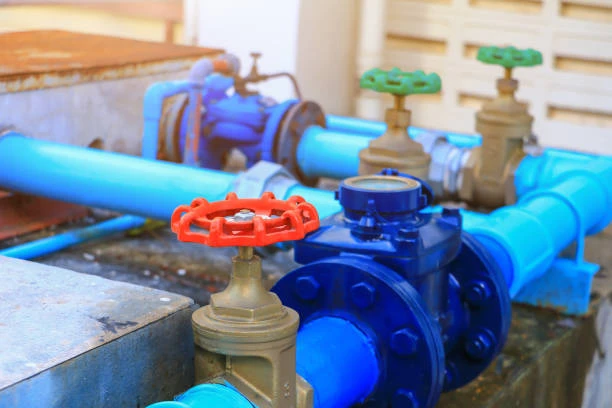
Choosing the right gate valve for water systems plays a crucial role in ensuring smooth operation, safety, and durability of the pipeline infrastructure. With numerous types, materials, and specifications available, making an informed decision can seem challenging. This article provides a comprehensive guide on how to select the best piping gate valve tailored for water systems. You will learn about the valve’s basic definition and features, common applications, key factors to consider when buying, and a comparison with other valve types to help you make the right choice.
Frequently Asked Questions (FAQ)
1. What is a piping gate valve and how does it work?
A piping gate valve controls water flow by lifting or lowering a gate inside the valve body, allowing full flow when open and complete shutoff when closed.
2. Can gate valves be used for regulating flow?
No, gate valves are designed primarily for on/off control. Using them partially open can damage the valve and cause leaks.
3. Which materials are best for gate valves in water systems?
Common materials include cast iron, ductile iron, brass, bronze, stainless steel, and carbon steel, depending on the water type and system pressure.
4. Are all gate valves suitable for underground installation?
Non-rising stem gate valves are preferred for underground or buried pipelines due to their compact design.
5. How do I maintain a piping gate valve?
Regular inspection for leaks, lubrication of moving parts, and timely repair of worn seals help maintain gate valves for long-term use.
What Is a Piping Gate Valve and Its Key Features?
A piping gate valve is a mechanical device used to start or stop the flow of water within a pipeline. It operates by moving a flat or wedge-shaped gate vertically to block or permit flow. The valve’s opening matches the pipe’s diameter, providing unobstructed flow when fully open.
Key Features:
- Full-bore design: Allows water to flow freely with minimal pressure loss.
- Bidirectional operation: The valve seals effectively regardless of flow direction.
- Rising or non-rising stem options: Rising stems visually indicate valve position; non-rising stems are compact for limited space.
- Variety of materials: Enables use in diverse water qualities and temperatures.
- Durable sealing surfaces: Rubber, metal, or composite seats ensure tight shutoff.
- Manual or automated operation: Valves can be hand-operated or fitted with actuators.
Common Uses and Industry Applications of Gate Valves in Water Systems
Piping gate valves are widely used across various water system sectors due to their reliability and simplicity.
Municipal Water Distribution
Gate valves isolate sections of the water main for repair and maintenance, helping manage water supply with minimal disruption.
Industrial Water Treatment
Used to control water flow in treatment plants, including filtration and chemical dosing stages.
Irrigation Systems
Large-scale irrigation networks employ gate valves to regulate water distribution efficiently across agricultural fields.
Fire Protection Systems
Gate valves serve as isolation points in fire mains and sprinkler systems, ensuring reliable shutoff during testing or emergencies.
Commercial and Residential Plumbing
Buildings use gate valves at main water inlets or between floors to isolate plumbing sections during repairs or upgrades.
Selection Guide: How to Choose the Right Gate Valve for Water Systems
Selecting an appropriate piping gate valve involves several important considerations tailored to your specific system needs.
1. Material Selection
Choose materials compatible with the water type and operating environment:
- Cast and ductile iron: Cost-effective and strong, suitable for potable water and general applications.
- Brass and bronze: Excellent corrosion resistance, ideal for potable water and marine environments.
- Stainless steel: Best for aggressive water types or hygienic applications.
- Carbon steel: Suitable for high-pressure, high-temperature water systems.
2. Size and Pressure Ratings
Select a valve size that matches your pipeline diameter to avoid flow restrictions or excessive costs. Ensure the pressure rating exceeds the maximum operating pressure of your system (e.g., PN16, ANSI Class 150).
3. Stem Type
- Rising stem valves allow easy position monitoring, suitable for above-ground installations.
- Non-rising stem valves save space and work well in underground or confined areas.
4. Connection Type
- Flanged connections facilitate maintenance and replacement.
- Threaded connections suit smaller diameter and lower pressure systems.
- Welded ends offer secure, leak-proof connections for critical applications.
5. Sealing Mechanism and Coatings
Rubber or resilient seats provide tight sealing for potable water lines. Epoxy coatings or galvanization protect against corrosion, extending valve life.
6. Certification and Standards Compliance
Ensure valves comply with standards relevant to water systems such as NSF/ANSI 61 (for potable water), AWWA standards, or ISO certifications.
7. Operation Mode
Decide whether manual operation suffices or if automation (electric, pneumatic actuators) is necessary for your system’s control requirements.
Why Choose Piping Gate Valves for Water Systems?
Piping gate valves offer unique advantages tailored to water system needs:
- Reliable isolation: Ensures full shutoff for safe maintenance and emergency response.
- Minimal pressure loss: Full-bore flow reduces energy costs in pumping and distribution.
- Cost-effective: Affordable initial investment and low maintenance expenses.
- Versatile size options: From small plumbing systems to large water mains.
- Ease of maintenance: Simple design reduces downtime and operational complexity.
- Suitable for underground use: Non-rising stem designs fit well in buried pipes.
- Long service life: Durable materials and robust construction resist wear over time.
Because of these reasons, piping gate valves remain a top choice for controlling water flow efficiently and safely.
Piping Gate Valve vs Other Valve Types in Water Systems
| Feature | Piping Gate Valve | Ball Valve | Globe Valve | Butterfly Valve |
|---|---|---|---|---|
| Primary Use | Isolation | Isolation/Control | Flow Regulation | Isolation/Control |
| Flow Resistance | Very Low | Very Low | High | Low |
| Shutoff Tightness | High | Very High | High | Moderate |
| Suitable for Throttling | No | Yes | Yes | Yes |
| Size Availability | Very Wide | Moderate | Small–Medium | Wide |
| Maintenance Complexity | Low | Low | Moderate | Low |
| Space Requirement | Large | Compact | Moderate | Very Compact |
| Cost for Large Sizes | Moderate | High | Moderate | Low |
This comparison highlights that piping gate valves excel in isolation with minimal flow resistance, making them ideal for water systems where full shutoff is necessary.
Conclusion
Choosing the right piping gate valve for water systems ensures efficient flow control, system safety, and cost-effective maintenance. By understanding the valve’s basic features, common applications, and key selection criteria, you can make informed decisions tailored to your system’s unique requirements.
The reliable shutoff, wide size range, and material versatility of piping gate valves make them indispensable in municipal, industrial, agricultural, and residential water systems. Proper selection and installation lead to longer valve life, improved system performance, and fewer operational issues.
Investing time to evaluate valve materials, connection types, certifications, and operational modes pays off in smoother water system operation and peace of mind.
Contact IFAN for Catalogs and Samples
Need technical documents, catalogs, or sample products? Reach out to IFAN today.
📧 Email: [email protected]
📱 Whatsapp: +86 19857948982
Our team responds quickly and provides professional support for all your pipeline needs.
IFAN international standard
IFAN piping systems comply with a wide range of international standards to ensure high quality and performance. These include ASTM F1974 and ASTM F1281 for multilayer piping systems, CSA B137 for Canadian plumbing applications, DIN 16836 for German technical specifications, GB18997 for Chinese standards, and ISO 21003, which covers multilayer piping systems used for hot and cold water installations. This broad certification scope highlights IFAN’s commitment to global compliance and product reliability.























