


Introduction
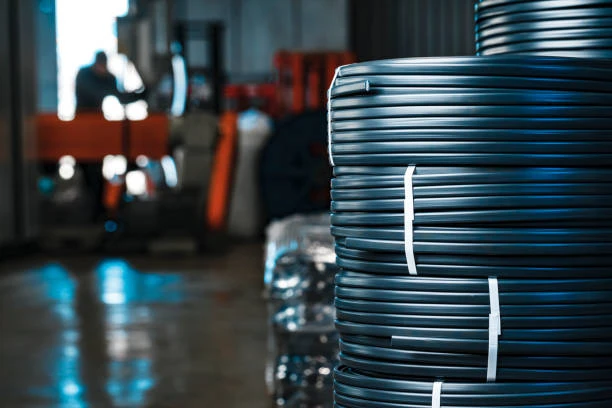
Water efficiency has become one of the most critical challenges in modern agriculture. Farmers face increasing pressure to reduce water waste while maintaining crop yields. High density poly pipe offers a practical solution to this problem. Known for its durability, flexibility, and resistance to harsh conditions, this material ensures reliable water transport across fields. By using high density poly pipe, farmers not only conserve water but also reduce operational costs and improve productivity. This article explains its definition, characteristics, applications, buying tips, installation guidelines, comparisons with other pipe materials, and answers to common questions.
Frequently Asked Questions (FAQ)
1. What is high density poly pipe?
High density poly pipe is a piping system made from high density polyethylene. It is lightweight, durable, and suitable for high-pressure water distribution.
2. Why is it used on farms?
Farmers use it for irrigation because it reduces leakage, resists cracking, and delivers water evenly across fields.
3. Can it handle exposure to sunlight?
Yes, when manufactured with UV stabilizers, it resists sunlight damage and maintains strength during long-term field use.
4. How long does it last in farm applications?
With proper care, high density poly pipe can last more than , making it a cost-effective investment.
5. Is it environmentally friendly?
Yes. It requires less energy to produce than metal pipes and reduces water waste through efficient delivery.
Definition and Key Features
High density poly pipe, often abbreviated as HDPE pipe, is a modern plastic piping solution engineered for strength and flexibility. Unlike brittle materials, it resists cracking under pressure or soil movement. This makes it ideal for agricultural settings where ground shifts and heavy machinery are common.
Key features include:
- High resistance to cracking and impact
- Smooth inner surface that reduces friction and increases flow efficiency
- Flexibility that allows it to bend without breaking
- Resistance to chemicals, fertilizers, and pesticides
- Long service life under extreme environmental conditions
These properties explain why high density poly pipe has become one of the leading choices for farmers worldwide.
Common Uses and Industries
While farming is one of the most important applications, the pipe serves many other industries:
- Agriculture: Farmers use it in drip irrigation, sprinkler systems, and water transport to reduce waste.
- Municipal water supply: Cities install it for distributing clean drinking water.
- Mining: Operations use it to move slurry, chemicals, and wastewater due to its toughness.
- Construction: Contractors rely on it for gas distribution, geothermal heating, and drainage.
- Industrial plants: Factories adopt it for transporting chemicals because of its strong resistance to corrosion.
Despite its wide applications, its role in improving farm irrigation stands out, as it maximizes water efficiency and crop performance.
Buying Guide for High Density Poly Pipe
Selecting the right pipe requires careful consideration. Farmers and contractors should focus on several factors:
- Material quality: Always choose pipes made from virgin high density polyethylene rather than recycled blends.
- Diameter and pressure rating: Match the pipe’s capacity with the farm’s irrigation system needs.
- Color coding: Blue often indicates potable water, yellow gas lines, and black general water applications.
- UV protection: For outdoor use, ensure the pipe includes UV stabilizers to withstand sunlight exposure.
- Certifications: Look for compliance with ISO, ASTM, or NSF standards to guarantee safety and performance.
- Flexibility vs rigidity: Select based on terrain conditions. Flexible pipes work best on uneven farmland.
By following these guidelines, buyers ensure long-term performance and maximum water efficiency.
Installation Guidelines
Proper installation helps maintain water flow and extends service life. Farmers and installers should follow these steps:
- Site preparation: Clear rocks, roots, and debris from trenches to avoid pipe damage.
- Joining method: Use heat fusion for permanent leak-free connections, or mechanical fittings for easier adjustments.
- Handling: Avoid dragging the pipe on sharp surfaces that could scratch it.
- Bending and curves: Take advantage of flexibility but stay within the recommended bend radius.
- Backfilling: Surround the pipe with soft soil or sand before applying heavier cover material.
- Pressure testing: Perform tests before system use to confirm the system’s integrity.
Following these practices ensures reliable performance for decades.
High Density Poly Pipe vs Other Pipe Materials
The following table compares high density poly pipe with commonly used alternatives:
| Feature | High Density Poly Pipe | PVC Pipe | Steel Pipe | Copper Pipe |
|---|---|---|---|---|
| Lifespan | 50+ years | 30–40 years | 20– | 20–40 years |
| Flexibility | High | Low | Very low | Low |
| Corrosion resistance | Excellent | Good | Poor | Moderate |
| Weight | Light | Light | Heavy | Moderate |
| Installation ease | Easy | Moderate | Difficult | Difficult |
| Water efficiency | Excellent | Moderate | Moderate | Moderate |
The table highlights how high density poly pipe surpasses other materials in flexibility, corrosion resistance, and efficiency.
Conclusion
High density poly pipe has transformed water management on farms. Its durability, flexibility, and ability to deliver water efficiently make it a cornerstone of modern agriculture. Unlike other materials, it reduces leakage, saves energy, and withstands harsh farming conditions. By selecting quality materials, following installation guidelines, and maintaining the system, farmers secure decades of reliable service. As water efficiency becomes more important worldwide, high density poly pipe will continue to play a crucial role in sustainable farming.
IFAN international standard
IFAN strictly follows international standards to ensure product quality and reliability. Our piping systems comply with ASTM D3035, ASTM D3350, ISO 4427 Series standards, EN 12201 Series standards, DIN 8074/8075, GB/T 13663 Series standards, AS/NZS 4130, JIS K6760, BS 6572, CSA B137.1, and many other globally recognized specifications. These certifications guarantee durability, safety, and performance across diverse applications worldwide.
Contact
IFAN is a professional manufacturer with of experience, dedicated to producing high-quality plastic pipes, fittings, and valves. Our products include brass valves, PPR valves, as well as various pipes and fittings to meet different customer needs. Whether you need plumbing and drainage pipes or valve products, IFAN can provide a diverse range of high-quality, cost-effective products to support your projects. Below is our contact information.
We will reply your email or fax within 24 hours.
You can call us at any time if there is any question on our production.
For more information,pls visit our webside https://www.ifanplus.com/
Pls Mailto: [email protected]
Whatsapp: + 86 19857948982























