


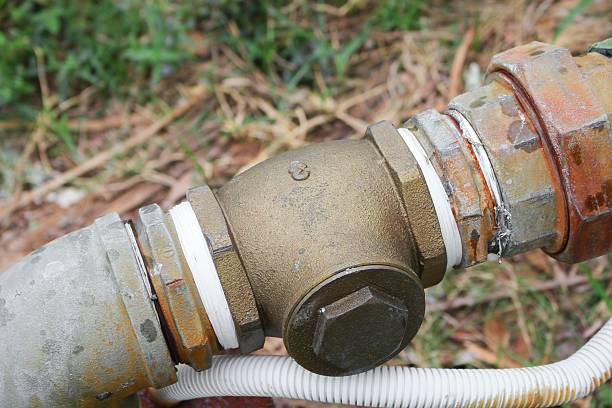
Backflow is a serious issue in both residential water systems and irrigation networks. If water flows in the wrong direction, it can cause contamination, damage components, and reduce system efficiency. A simple yet essential solution is the Brass Valve, designed to ensure fluid flows in only one direction. Small in size but big in impact, this valve protects the integrity of plumbing and irrigation systems across a wide range of applications.
This article explains the definition, features, common uses, selection tips, and key comparisons involving 1/2 check valves. By the end, you’ll understand why this component is a trusted solution in both homes and fields.
Frequently Asked Questions (FAQ)
What is a 1/2 check valve?
A 1/2 check valve is a small one-way valve with a 1/2-inch diameter that allows fluid to move in one direction only, preventing reverse flow.
Where is a 1/2 check valve used?
It is commonly found in water heaters, irrigation systems, filtration setups, and pump lines to prevent contamination or pressure loss.
Can a 1/2 check valve be installed by a homeowner?
Yes, many models are easy to install using basic plumbing tools. Always follow manufacturer instructions or consult a professional if unsure.
What materials are best for a 1/2 check valve?
Brass, PVC, and stainless steel are common options. The best material depends on pressure, temperature, and fluid type.
Does a check valve require maintenance?
Most 1/2 check valves are low-maintenance. However, periodic checks help ensure performance, especially in systems with sediment or chemicals.
What Is a 1/2 Check Valve and What Are Its Key Features?
A 1/2 check valve is a mechanical device used in pipelines to control flow direction. The “1/2” refers to its internal diameter (0.5 inch), making it ideal for small-diameter piping in homes, gardens, and light industrial use.
When fluid flows forward, internal pressure pushes open a spring, ball, or disc inside the valve. If pressure drops or reverses, the mechanism closes instantly, blocking backflow. This automatic action requires no electrical or manual input.
Key Features:
- Compact design for tight spaces
- Automatic shut-off to stop backflow instantly
- Durable materials like brass or PVC for long service life
- Low maintenance with no moving external parts
- Directional arrows on the housing to ensure proper installation
Because of its reliable one-way operation, the 1/2 check valve serves as a crucial safety and control device.
Common Uses and Applications of 1/2 Check Valves
The 1/2 check valve is widely used across multiple sectors, providing a simple solution to prevent reverse flow. Below are some of the most common scenarios where this valve proves essential.
Residential Applications
- Hot water heaters to prevent backflow from heated to cold lines
- Under-sink water filters to keep treated water from re-entering raw supply lines
- Washing machines and dishwashers to stop dirty water from backing into clean water supplies
- Outdoor hose bibs where garden chemicals might otherwise flow back into household pipes
Irrigation and Agricultural Systems
- Drip irrigation lines where gravity or elevation changes can cause reverse siphoning
- Sprinkler heads that may allow dirt or fertilizer to flow backward
- Fertigation and chemigation setups where chemical-rich water should not reach the clean supply
- Livestock watering systems to prevent contaminated trough water from entering pipes
Light Industrial and Commercial Uses
- Chemical dosing systems where fluid direction must stay controlled
- Rainwater harvesting setups to separate harvested water from municipal supplies
- Small fluid transfer pumps where backflow might cause motor strain or fluid contamination
These diverse uses prove how critical the 1/2 check valve is to modern fluid management systems.
How to Choose the Right 1/2 Check Valve
Selecting the best 1/2 check valve involves understanding your system’s needs and matching them to the valve’s specifications. Here are some important factors to consider:
Material Type
- Brass: Strong, corrosion-resistant, and ideal for residential or potable water use.
- PVC or CPVC: Lightweight, inexpensive, and commonly used in outdoor or irrigation systems.
- Stainless Steel: High-strength, chemical-resistant material best suited for harsh environments or industrial chemicals.
Connection Type
Make sure the valve matches your piping setup.
- Threaded (NPT): Standard in most U.S. residential plumbing systems.
- Slip/socket weld: Common for PVC-based irrigation setups.
- Push-to-connect: Ideal for quick DIY projects, no special tools required.
Certifications
Look for third-party certifications to ensure safety and quality.
- NSF/ANSI for drinking water applications
- ISO 9001 for manufacturing consistency
- UPC or CSA for code compliance in North America
Pressure and Temperature Ratings
Confirm that the valve can withstand the expected operating pressure and temperature in your system. For instance, water heaters may require valves rated for higher temperatures.
Flow Design and Speed
Spring-loaded or poppet-style check valves tend to close faster and prevent backflow more effectively than simple swing types. This is important in systems that experience pressure drops or rapid flow reversal.
How a 1/2 Check Valve Functions in Water and Irrigation Systems
The core function of the 1/2 check valve is to maintain consistent, one-way flow. Here’s how it works in typical water and irrigation setups:
In Water Systems
When water flows from a pressurized source into a home’s plumbing, the valve opens, allowing forward flow. If pressure suddenly drops or the main supply shuts off, the valve’s internal spring or sealing mechanism closes immediately. This prevents water from flowing backward into the clean water line or into municipal supply networks.
For example, in a water heater, hot water could otherwise flow backward into the cold line when not in use. The check valve prevents this and keeps the system balanced.
In Irrigation Systems
In garden or agricultural systems, irrigation often uses drip or sprinkler lines that include chemicals or nutrients. After irrigation ends, gravity or pressure changes can cause fluid to reverse direction. A check valve stops this instantly, preventing contamination of the main water supply.
The valve ensures that only clean water flows forward from the source to the emitters. It also prevents fertilizer or sediment from being sucked back into tanks or filters when the pump shuts off.
1/2 Check Valve vs Other Pipe Fittings: A Comparison
To better understand the role of the 1/2 check valve, here is a side-by-side comparison with other common valves and fittings:
| Feature | 1/2 Check Valve | Ball Valve | Gate Valve | Backflow Preventer |
|---|---|---|---|---|
| Flow Control Direction | One-way only | Two-way (manual) | Two-way (manual) | One-way only (dual-stage) |
| Operation | Automatic | Manual | Manual | Automatic |
| Main Function | Prevent backflow | Start/stop flow | Isolate flow | Block contaminants |
| Size Range | Small to medium | All sizes | Medium to large | Medium to large |
| Common Use | Water/irrigation lines | General shutoff | Large pipe systems | Municipal water lines |
| Maintenance | Low | Low | Medium | Medium to high |
| Installation Difficulty | Easy | Easy | Moderate | Moderate to complex |
This table highlights that the 1/2 check valve is uniquely suited for small-scale, one-way flow control—especially in irrigation and plumbing systems.
Conclusion
The 1/2 check valve is a small but essential part of modern plumbing and irrigation systems. Its main job—preventing backflow—is vital for protecting water quality, maintaining pressure, and avoiding system damage. Thanks to its compact size, automatic function, and broad material choices, the valve is both versatile and user-friendly.
When selecting a 1/2 check valve, focus on material compatibility, flow direction, certifications, and connection type. A properly chosen and installed valve can extend the life of your system, improve safety, and reduce long-term maintenance needs.
Whether you’re maintaining a residential water line or managing a complex irrigation network, the 1/2 check valve is a dependable, cost-effective tool that ensures one-way flow—every time.
Contact IFAN for Catalogs and Samples
Need technical documents, catalogs, or sample products? Reach out to IFAN today.
📧 Email: [email protected]
📱 Whatsapp: +86 19857948982
Our team responds quickly and provides professional support for all your pipeline needs.
IFAN international standard
IFAN piping systems comply with a wide range of international standards to ensure high quality and performance. These include ASTM F1974 and ASTM F1281 for multilayer piping systems, CSA B137 for Canadian plumbing applications, DIN 16836 for German technical specifications, GB18997 for Chinese standards, and ISO 21003, which covers multilayer piping systems used for hot and cold water installations. This broad certification scope highlights IFAN’s commitment to global compliance and product reliability.























