


Introduction
In modern piping and fluid systems, pressure resistance is a critical factor. Among the various materials used in plumbing and industrial installations, PVC plastic accessories have gained tremendous popularity. This rise in demand is not coincidental. In fact, it results from their proven performance under pressure, chemical resistance, affordability, and ease of installation.
Consequently, industries ranging from water treatment to chemical processing rely on pressure-resistant PVC plastic accessories. In this article, we explore their key features, applications, advantages, and why they are a superior choice for both residential and industrial users.
What Are Pressure-Resistant PVC Plastic Accessories?
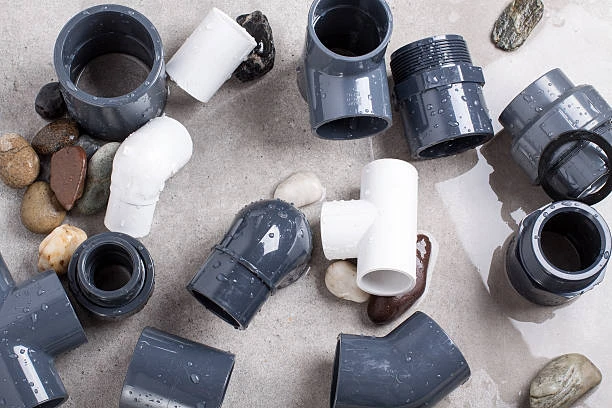
To begin with, PVC (polyvinyl chloride) is a thermoplastic polymer known for its strength and durability. When shaped into accessories such as elbows, tees, couplings, bushings, and adapters, PVC becomes an essential component in piping systems. However, not all PVC accessories are created equal. Pressure-resistant PVC plastic accessories are engineered to withstand significant internal pressure without deforming or failing.
Moreover, these accessories go through rigorous testing and certification to ensure they meet international standards for pressure-bearing applications.
Why Pressure Resistance Matters
It is important to understand why pressure resistance is crucial. Firstly, systems carrying water, gas, or chemicals often operate under varying pressures. If accessories are not pressure-resistant, they may crack, leak, or even burst—causing system failures, costly repairs, and safety hazards.
Furthermore, pressure-resistant accessories contribute to the overall reliability and longevity of a system. They maintain seal integrity, reduce maintenance frequency, and allow systems to operate at optimal performance over long periods.
Key Characteristics of Pressure-Resistant PVC Accessories
Let’s now consider the technical features that make these accessories highly resistant to pressure:
Wall Thickness
Generally speaking, pressure-rated PVC accessories have thicker walls than standard fittings. This extra thickness enhances their ability to withstand internal and external forces.
Material Composition
Additionally, high-quality additives are used during manufacturing to improve the molecular structure of PVC, making it tougher and less prone to fatigue over time.
Precision Molding
Accurate manufacturing methods ensure that each fitting has uniform strength distribution. As a result, the risk of weak spots is minimized.
Pressure Class Ratings
All pressure-resistant accessories come with clearly defined pressure class ratings—often marked as Schedule 40 or Schedule 80. These ratings help installers choose the right accessory for specific pressure ranges.
Advantages Over Other Materials
When comparing PVC accessories to those made from metal or other plastics, many benefits become apparent.
Corrosion Resistance
Unlike metal, PVC does not rust or corrode. Even in harsh chemical environments, pressure-resistant PVC accessories retain their structural integrity.
Lightweight Nature
Additionally, PVC accessories are much lighter than their metal counterparts. This feature reduces installation time and lowers transportation costs.
Cost Efficiency
Because of low raw material and processing costs, PVC accessories are more affordable, making them attractive for large-scale projects.
Low Thermal Conductivity
Furthermore, PVC does not conduct heat well. This means it maintains stability under both hot and cold conditions, adding to its pressure resistance.
Common Applications
Due to these advantages, pressure-resistant PVC plastic accessories are widely used across multiple sectors.
Water Supply Systems
Municipal and residential water systems often use Schedule 40 or Schedule 80 PVC accessories to maintain consistent pressure throughout pipelines.
Irrigation Networks
In agriculture, these accessories are vital in drip and sprinkler systems that operate under varying pressures.
Industrial Piping
Chemical and food processing plants prefer PVC due to its chemical resistance and pressure tolerance.
Pool and Spa Installations
Given their exposure to both water pressure and chemicals, pool systems often use pressure-rated PVC fittings for safety and longevity.
Installation Considerations
While PVC fittings are easy to install, certain best practices should be followed, especially for pressure systems.
Proper Solvent Cement Use
First of all, it is essential to use high-quality solvent cement. This ensures leak-proof joints that can handle pressure without failure.
Pressure Testing
After installation, systems should undergo hydrostatic pressure testing to verify that all connections hold under maximum operating conditions.
Temperature Factors
It is also important to consider temperature-related pressure derating. As temperature increases, the pressure capacity of PVC decreases slightly. Installers must account for this during design.
Environmental and Safety Benefits
Sustainability is a growing concern in all industries. Fortunately, pressure-resistant PVC accessories contribute positively in this regard.
Recyclability
PVC is fully recyclable, which helps reduce industrial waste. Many manufacturers now offer recycled fittings with similar performance to virgin material.
Reduced Leakage Risk
Because of their strong seals, pressure-resistant accessories help prevent water and chemical leakage, thereby protecting the environment.
Safety in Handling
Unlike metal, PVC does not have sharp edges or heavy weight, making it safer to handle during installation and maintenance.
Common Misconceptions
Despite their benefits, PVC accessories are sometimes misunderstood. Let’s address a few common myths.
Myth 1: PVC Can’t Handle High Pressure
In reality, pressure-rated PVC can handle up to 280 PSI, depending on the rating and size.
Myth 2: PVC Breaks Easily
Standard PVC might be brittle, but pressure-resistant grades have superior impact resistance and flexibility.
Myth 3: Metal Is Always Better
While metal has advantages in some cases, it is more prone to corrosion and requires more maintenance than PVC.
Maintenance and Longevity
Another compelling advantage of pressure-resistant PVC accessories is their low maintenance requirement. Once installed correctly, these accessories can last 20 to , depending on usage conditions.
Moreover, they require minimal inspection, and any replacements are inexpensive and easy to perform. This makes them ideal for systems where downtime must be minimized.
Trends and Innovations
As technology advances, so do PVC accessories. Manufacturers now offer features like:
- Color coding for easy identification
- UV-resistant coatings for outdoor use
- Integrated sensors for smart monitoring in pressure-sensitive applications
In addition, innovations in injection molding and material science continue to enhance the strength and pressure resistance of these accessories.
Choosing the Right Accessories
Selecting the right PVC accessory involves more than just matching sizes. Here’s what to keep in mind:
- Understand system pressure requirements
- Choose the correct Schedule rating (e.g., 40 or 80)
- Verify compatibility with chemicals, temperatures, and flow rates
- Ensure manufacturer certifications meet local standards
By doing so, you can guarantee a safe, durable, and efficient piping system.
Conclusion
In summary, pressure-resistant PVC plastic accessories represent a smart and reliable choice for modern piping systems. They offer durability, chemical resistance, cost savings, and ease of use—all while performing excellently under pressure.
Therefore, whether you are designing a new irrigation network, retrofitting an industrial pipeline, or building a residential water system, these accessories provide unmatched value. Thanks to continued innovation, their performance is only improving, making them an even more attractive solution for the future.
Ultimately, with proper installation and thoughtful selection, pressure-rated PVC accessories can serve you reliably for decades—under pressure, and beyond.
IFAN international standard
IFAN adheres to a comprehensive range of standards to ensure quality and performance across various applications. These include BS 3505 and BS 4346, along with ASTM standards such as D1785 SCH40, D1785 SCH80, D2665, D2241, D2729, and F441/F441M. The portfolio is further strengthened by international standards from DIN, GB, and DWV, as well as the ISO 1452 Series and its equivalent EN ISO 1452. Additionally, specific standards such as DIN 8061/8062, GB/T 10002 Series, AS/NZS 1477, JIS K6741, CSA B137.3, NSF/ANSI 14, and TIS 17-2532/1131-2535 are incorporated. Collectively, these standards ensure that IFAN’s products and processes adhere to rigorous performance criteria and quality benchmarks, thereby promoting safety, reliability, and interoperability on a global scale.
Contact
IFAN is a professional manufacturer with of experience, dedicated to producing high-quality plastic pipes, fittings, and valves. Our products include brass valves, PPR valves, as well as various pipes and fittings to meet different customer needs. Whether you need plumbing and drainage pipes or valve products, IFAN can provide a diverse range of high-quality, cost-effective products to support your projects. Below is our contact information.
We will reply your email or fax within 24 hours.
You can call us at any time if there is any question on our production.
For more information,pls visit our webside https://www.ifanplus.com/
Pls Mailto: [email protected]
Whatsapp: + 86 19857948982























