


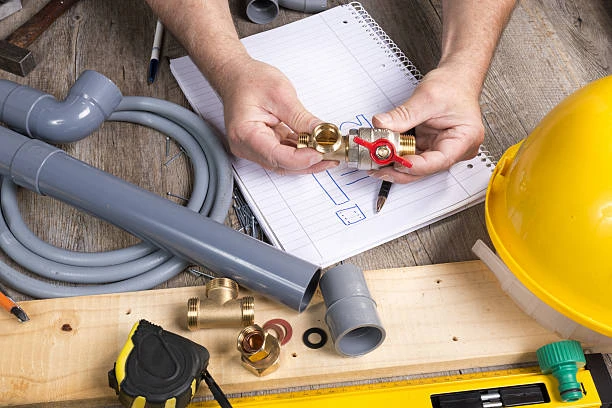
CPVC (Chlorinated Polyvinyl Chloride) pipe fittings provide excellent heat resistance, making them ideal for hot water and industrial applications. These fittings withstand higher temperatures than standard PVC, ensuring reliable performance in demanding environments.
High-Temperature Performance
CPVC pipe fittings tolerate temperatures up to 200°F (93°C), making them suitable for hot water transport. Unlike traditional PVC, which softens at lower temperatures, CPVC maintains structural integrity even in extreme conditions. This characteristic extends the lifespan of piping systems in residential, commercial, and industrial applications.
Thermal expansion rates remain relatively low, reducing the risk of system failure. Even in environments with fluctuating temperatures, CPVC fittings ensure minimal dimensional changes. This stability enhances long-term durability and reduces maintenance needs.
Material Properties Supporting Heat Resistance
CPVC features a higher chlorine content than PVC, which increases its heat resistance. This modification alters the polymer’s molecular structure, making it more resilient against high temperatures. The material resists deformation, ensuring consistent performance under thermal stress.
CPVC fittings also resist thermal degradation. Even after prolonged exposure to heat, the material maintains its strength and shape. This property makes it a preferred choice for hot fluid transport in industries such as chemical processing, food production, and power plants.
Applications in Hot Water Systems
CPVC fittings play a crucial role in hot water distribution. Residential plumbing systems benefit from CPVC’s ability to handle heated water without losing strength. Unlike metal pipes, CPVC does not corrode or scale over time. This feature ensures a continuous flow of clean water.
Commercial buildings, hotels, and hospitals rely on CPVC for efficient hot water supply. The material’s thermal stability prevents leaks and failures, reducing repair costs. Many industries also use CPVC for steam transportation and industrial heating systems.
In industrial environments, CPVC piping networks transport high-temperature chemicals and fluids. Manufacturing plants, power stations, and processing facilities trust CPVC for its heat resistance and chemical durability.
Resistance to Heat-Induced Degradation
CPVC fittings resist oxidation and degradation caused by heat exposure. Unlike some thermoplastics that weaken over time, CPVC retains its mechanical properties. This resistance ensures longevity in high-temperature environments.
Oxidation often affects plastic materials when exposed to heat and oxygen. CPVC’s chemical structure slows this process, reducing brittleness and cracking. As a result, CPVC systems last longer, even in extreme conditions.
Additionally, CPVC fittings maintain their color and surface texture over time. Heat-induced discoloration remains minimal, preserving the material’s appearance. This factor contributes to aesthetic consistency in visible piping installations.
Performance in High-Pressure, High-Temperature Conditions
CPVC pipe fittings withstand both high temperatures and pressures. Industrial applications often involve heated fluids moving at significant pressures. CPVC fittings handle these conditions without deforming or leaking.
For example, CPVC fire sprinkler systems operate under high heat and pressure. These systems require durable materials that maintain performance during emergencies. CPVC’s resistance to thermal stress ensures reliability in critical situations.
Steam transport systems also benefit from CPVC’s ability to handle heat and pressure simultaneously. Manufacturing plants use CPVC to transfer heated liquids without compromising efficiency or safety.
Comparison with Other Heat-Resistant Materials
Compared to materials like metal and polypropylene (PP), CPVC offers a balance of heat resistance, durability, and cost-effectiveness.
- Metal Pipes: Copper and stainless steel withstand high temperatures but corrode over time. CPVC resists corrosion, ensuring a longer service life with lower maintenance costs.
- PP Pipes: Polypropylene tolerates heat but lacks CPVC’s pressure resistance. CPVC offers better mechanical strength while maintaining flexibility.
- PEX Pipes: Cross-linked polyethylene (PEX) handles hot water but cannot match CPVC’s rigidity and durability under pressure. CPVC performs better in high-pressure systems.
CPVC provides an ideal solution for applications requiring both heat and chemical resistance. Its balance of strength, flexibility, and affordability makes it a superior choice.
Installation and Long-Term Performance
CPVC pipe fittings install easily using solvent cement. This method creates strong joints that withstand high temperatures. Unlike metal pipes, which require welding or threading, CPVC fittings offer a simple and reliable connection method.
Thermal cycling does not weaken CPVC joints. Even after repeated heating and cooling, the fittings maintain their integrity. This property reduces the risk of leaks and failures in plumbing systems.
CPVC systems also require less insulation than metal pipes. The material’s natural thermal resistance minimizes heat loss, improving energy efficiency. This characteristic makes CPVC a cost-effective option for hot water distribution.
Safety in High-Temperature Applications
CPVC pipe fittings do not release harmful fumes at normal operating temperatures. Unlike some plastics, CPVC remains stable without producing toxic emissions. This property enhances safety in residential and commercial applications.
Fire resistance adds another layer of protection. CPVC does not sustain combustion and self-extinguishes when removed from a flame source. This feature makes it suitable for fire suppression systems and other high-risk environments.
Additionally, CPVC does not leach harmful substances into water, ensuring safe drinking water transport. Regulatory agencies approve CPVC for potable water applications due to its safety and stability.
Conclusion
CPVC pipe fittings provide excellent heat resistance, making them ideal for hot water and industrial applications. Their ability to withstand high temperatures ensures long-term performance in residential, commercial, and industrial environments.
CPVC’s superior material properties, resistance to heat-induced degradation, and ability to handle high-pressure, high-temperature conditions make it a reliable choice. Compared to other materials, CPVC offers a strong balance of durability, cost-efficiency, and ease of installation.
With outstanding safety features and minimal maintenance needs, CPVC pipe fittings remain a preferred solution for heat-resistant piping systems.
IFAN international standard
IFAN’s HDPE products comply with various international standards, ensuring quality, durability, and reliability. These standards include ASTM D3035 and ASTM D3350, which define specifications for polyethylene (PE) pipes and materials. The ISO 4427 and EN 12201 series set global benchmarks for PE pipes used in water supply systems. Additionally, DIN 8074/8075 and GB/T 13663 establish performance and dimension requirements for HDPE pipes in European and Chinese markets. Other recognized standards, such as AS/NZS 4130 (Australia/New Zealand), JIS K6760 (Japan), BS 6572 (UK), and CSA B137.1 (Canada), further demonstrate IFAN’s commitment to meeting industry regulations worldwide.
Contact
IFAN is a professional manufacturer with of experience, dedicated to producing high-quality plastic pipes, fittings, and valves. Our products include brass valves, PPR valves, as well as various pipes and fittings to meet different customer needs. Whether you need plumbing and drainage pipes or valve products, IFAN can provide a diverse range of high-quality, cost-effective products to support your projects. Below is our contact information.
We will reply your email or fax within 24 hours.
You can call us at any time if there is any question on our production.
For more information,pls visit our webside https://www.ifanplus.com/
Pls Mailto: [email protected]
Whatsapp: + 86 19857948982























